Guides
Best small pets for anxiety
This is a housing site, not a health resource. What we can tell you is which species are quiet, predictable and undemanding, and which are not.
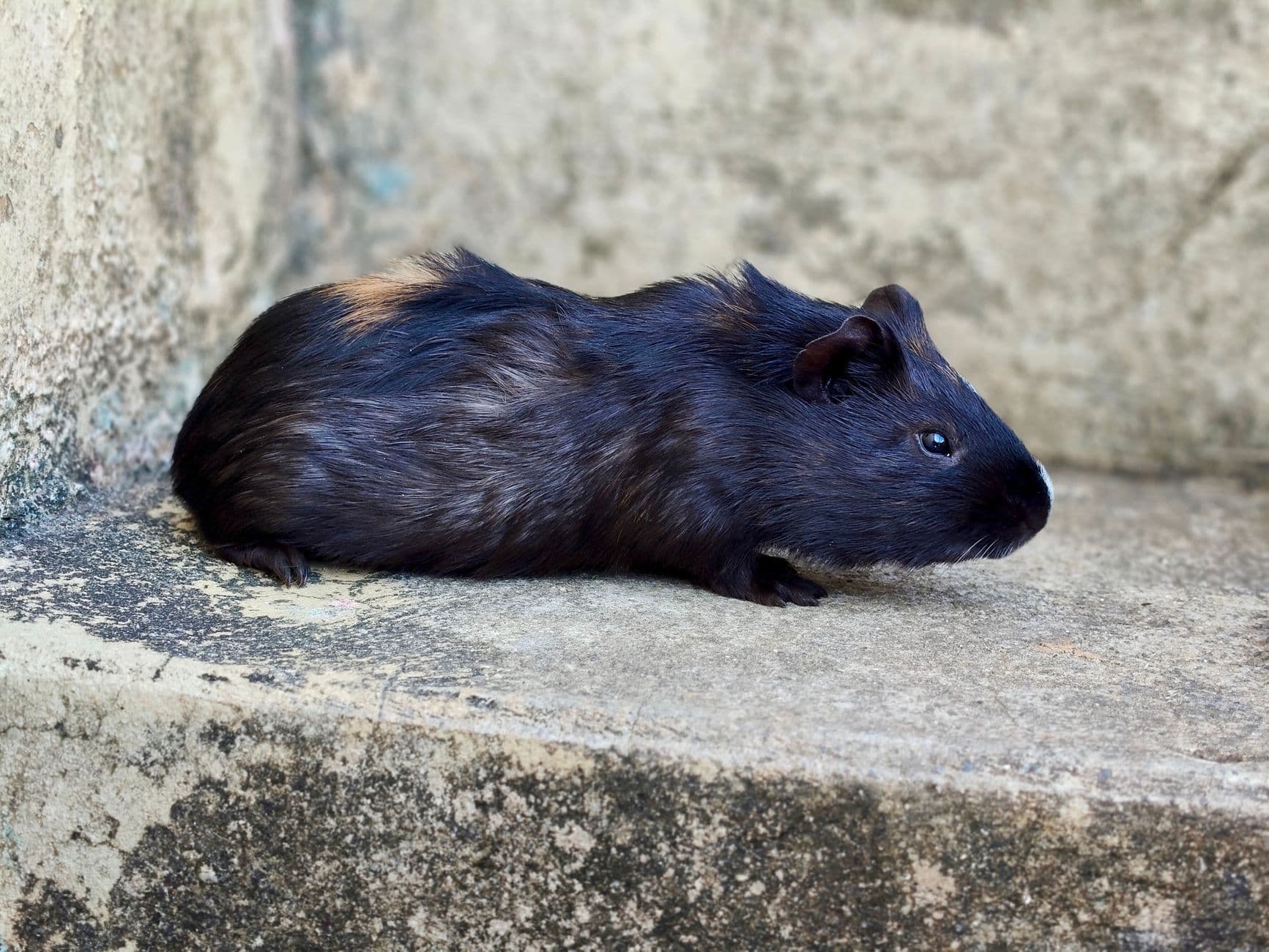
Guinea pigs, on the practical criteria: awake when you are, quiet, entirely predictable in their routine, and the easiest of the four to house correctly without a project. Rabbits are calmer still once bonded and are a much larger commitment in space and years. Hamsters are the common recommendation and the poorest fit, because a wheel at three in the morning is the opposite of restful.
That framing turns out to be the useful one anyway, because the way a pet most often goes wrong for someone who is already stretched is not emotional. It is logistical: an animal that needs more than the household can reliably give becomes a source of guilt, and guilt is the opposite of what anyone was shopping for.
The four criteria that actually matter here
- 1.Noise, at night. A nocturnal animal in or near a bedroom is a sleep problem, and sleep is not a small variable.
- 2.Predictability. An animal with a routine you can set a clock by demands no decisions. An animal that needs assessment and judgement every day demands a lot.
- 3.Floor on a bad day. What is the minimum this animal needs from a person who is not doing well? For some species that is five minutes; for others it is two hours of supervised out-of-cage time.
- 4.Whether the housing is buyable. An enclosure you can buy, set up once and stop thinking about is very different from one that is an ongoing project.
Guinea pigs
Guinea pig cage minimum · minimum
7.5 sq ft (about 30in x 36in) bare minimum for one; 7.5 sq ft minimum for two, with at least 10.5 sq ft (30in x 50in) preferred
- Diurnal. Awake in the day, asleep at night, in the same room as you without waking you.
- Quiet, and their noise is pleasant. Whistles and purrs rather than bar-rattling and wheel noise.
- Completely predictable. Hay, water, fresh vegetables, at the same times. There is very little judgement involved on a daily basis.
- Bad-day minimum is small. Top up hay and water, check the animals, done. The weekly clean can slip a day without harm.
- Housing is buyable off the shelf. A 4x2 C&C cage clears the preferred figure for a pair, which is a purchase rather than a build.
The honest catches: a pair rather than one, daily fresh vegetables and a vitamin C source they cannot synthesize, and five to seven years. They are also sensitive to temperature in a way that occasionally needs attention.
Guinea pig temperature range · recommendation
17-20C ideal; move indoors below 15C; above 26C can cause heatstroke
Rabbits
A bonded house rabbit is a calm presence in a room in a way no other small pet is. It is also the largest commitment on this list by a distance: 64.5 square feet in one unbroken block, for eight to twelve years, plus litter training, plus neutering, plus a vet who treats rabbits.
Rabbit enclosure minimum · minimum
a single enclosed area of at least 3m x 2m by 1m high
Our conversion: 9ft 10in x 6ft 7in x 3ft 3in, about 64.5 square feet of floor
If the space and the years are genuinely available, this is an excellent answer. If they are not, a rabbit in an inadequate hutch is a stressed animal and an ongoing source of the exact feeling you were trying to avoid. That is not a reason to feel bad about ruling it out — it is the honest reading of a published figure. Rabbit hutch size has the arithmetic.
Hamsters: the recommendation to be careful with
Hamsters are recommended constantly for this, on the reasoning that they are small, cheap, solitary and low-commitment. Two of those four are true.
They are nocturnal, which means the animal becomes active as you go to bed. A hamster on a wheel, digging, and moving things around, in or near a bedroom, is a genuine sleep disruption, and the usual fix — moving the cage somewhere further away — is how a hamster ends up in a hallway and unwatched.
Hamster cage minimum size · minimum
100cm x 50cm
Our conversion: 5,000 cm2, or 775 square inches of continuous floor
The housing is also more of a project than the price suggests. Almost nothing sold as a hamster cage clears that figure, so getting it right means a large enclosure, a conversion or a build. That is a rewarding thing to do if you want a project and the wrong thing to discover afterwards if you do not. Where to put a cage covers the placement side properly.
Ferrets: not this
Two to three hours a day out of the cage in a proofed room, every day, plus supervision, plus a household ferret-proofed to a standard most are not. Ferrets are wonderful animals for the right household and they are the highest-demand species on this site.
Ferret cage suggested minimum · suggested minimum
24in x 24in x 18in high (60cm x 60cm x 45cm)
Our conversion: 576 square inches, or 4 square feet, of floor
The setup that makes any of this work
- Get the enclosure right before the animal arrives. The single biggest source of ongoing stress in small-pet ownership is knowing the housing is not adequate and not having the money or the time to fix it this month.
- Put it in a living space, not a bedroom. For every species here. See cage placement.
- Buy the bedding in bulk. Running out is a small problem that arrives on a bad week.
- Set the routine to the animal's clock, not yours. A diurnal animal in a diurnal household is much less effort than the same animal in a mismatched one.
Housing that needs no project
If guinea pigs are the answer, these clear the published figures for a pair out of the box. That is the relevant property here: no build, no conversion, no ongoing sense that it is not quite right yet.
 Illustrative
A pair of guinea pigs, indoors
Kavee 4x2 C&C Cage for Guinea Pigs
55.1 x 27.6 = 1,521 sq in, about 10.6 sq ft
10.6 sq ft in one unbroken block clears the preferred figure for a pair rather than the bare minimum, which no pet-store guinea pig cage does at any price.
Check price on AmazonWe do not print prices. #ad Disclosure
- Illustrative
Three or four guinea pigs, or a pair with real running room
Kavee 6x2 C&C Cage for Guinea Pigs
About 15.8 sq ft, by extending the verified 4x2 base by two grids
About 15.8 sq ft, which is the size at which a pair stops pacing and starts using the far end, and the size we would buy if the wall allows it.
Check price on AmazonWe do not print prices. #ad Disclosure
For the full four-species comparison on space, cost and lifespan, see the best small pets. For the apartment-specific version of the noise question, best small pets for apartments.
Questions people ask
What is the calmest small pet?
Are hamsters good pets for anxiety?
What is the lowest-maintenance small pet?
Will a pet help with anxiety?
Which small pet is quietest at night?
Sources
- Humane World for Animals — Guinea pig housing requirements — Space figures for one to four guinea pigs.
- RSPCA — Guinea pig environment — Temperature range and the thresholds for moving animals indoors.
- Rabbit Welfare Association & Fund — Minimum space requirements — The single-block 3m x 2m figure.
- PDSA — The ideal home for your hamster — Hamster floor area and the nocturnal activity pattern.
- VCA Animal Hospitals — Ferrets, housing — Daily out-of-cage requirement.