Guides
Best small pets for kids
One fact decides most of this: hamsters sleep through the whole of a child's day, and guinea pigs do not.
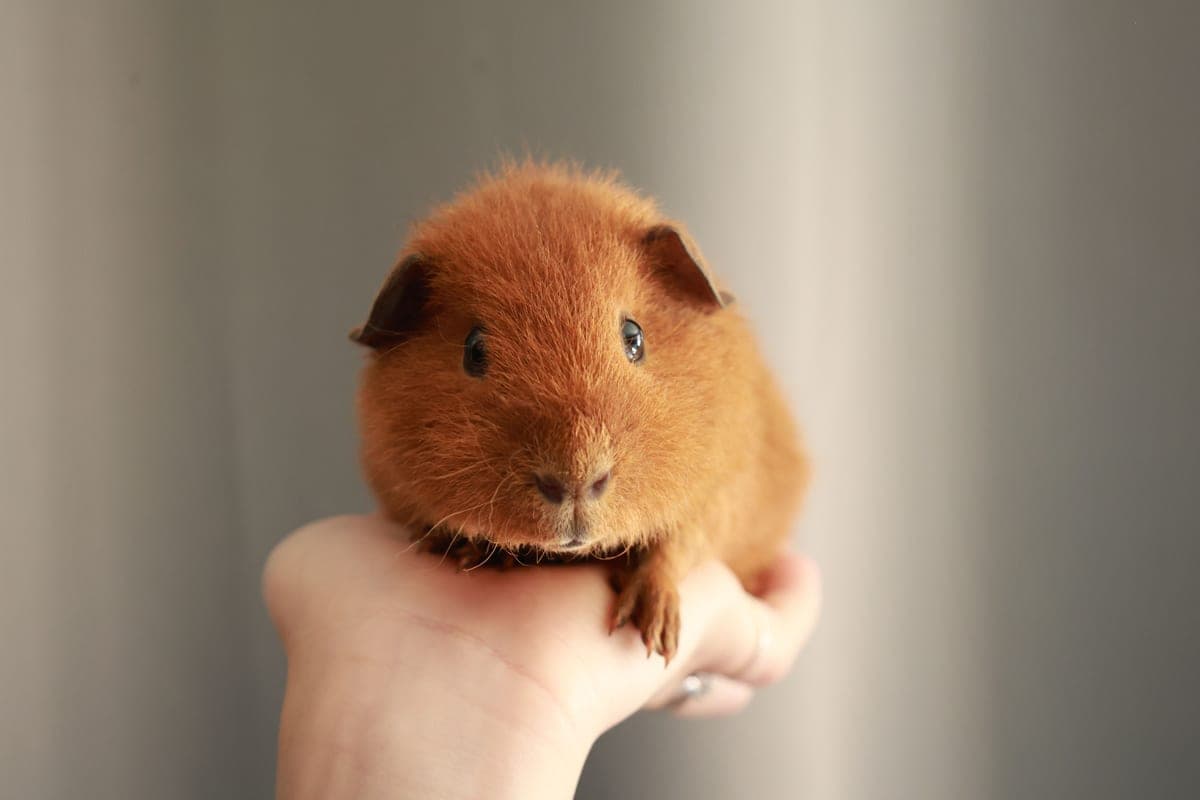
Guinea pigs, mainly because they are awake during the day. Hamsters are the most common choice for children and the most common mismatch: they are nocturnal and sleep through the hours a child is available. Whichever species you choose, an adult will do most of the cleaning, and planning for that honestly is the difference between a good outcome and a rehomed animal.
The nocturnal problem, stated plainly
A hamster is asleep from roughly dawn until dusk. A child of primary-school age is available from after school until bedtime, which overlaps with a hamster's day by perhaps an hour, at the start of its night when it is least settled.
This produces a predictable sequence: excitement, a fortnight of trying to interact with a sleeping animal, waning interest, and a hamster that is technically cared for and rarely engaged with. It is nobody's fault. It is a scheduling incompatibility that gets discovered after the purchase rather than before, and it is the single most useful thing on this page.
Waking a sleeping hamster to handle it also makes the animal more likely to bite, which starts a second unhelpful cycle: the child gets nipped, becomes wary, and engagement drops further.
Why guinea pigs suit children
Guinea pig cage minimum · minimum
7.5 sq ft (about 30in x 36in) bare minimum for one; 7.5 sq ft minimum for two, with at least 10.5 sq ft (30in x 50in) preferred
- Awake in the daytime, which is the whole argument and enough on its own.
- They vocalize. Guinea pigs whistle, purr and squeak, and an animal that responds audibly to a child arriving is engaging in a way a silent one is not.
- Forgiving to handle. Big enough not to be fragile, slow enough to pick up, and reluctant to bite. A dropped hamster is a hurt hamster; a guinea pig on a lap over a towel is a stable situation.
- The daily tasks are visible. Hay, water, fresh vegetables. A child can genuinely do these with supervision, and the feedback is immediate.
- Adequate housing is buyable. A 4x2 C&C cage clears the published preferred area for a pair, which means the household can get this right without a project. Best guinea pig cages.
The honest catches: two animals rather than one, because guinea pigs are obligately social; daily fresh vegetables and a vitamin C source, which they cannot synthesize; and a five-to-seven-year commitment, which may outlast a child's interest by several years.
The other three, for children specifically
Hamsters
Nocturnal, solitary, and small enough that a drop is a serious injury. They are genuinely good animals for an older child or teenager who is up in the evening and wants something to observe and set up rather than hold. For a younger child expecting daytime interaction, the mismatch is structural. The housing is also a project rather than a purchase — see hamster cage size.
Rabbits
The species most often bought for children and among the least suited to being handled by them. Most rabbits dislike being picked up, a grabbed rabbit scratches, and a struggling rabbit can injure its own spine. They also need 64.5 square feet in one unbroken block for up to twelve years, which is an adult-scale commitment made on a child's behalf.
Rabbits can be excellent family animals where the family meets them on the floor rather than in the air. That is a real and rewarding relationship and it is not the one most children have in mind when they ask for a rabbit.
Ferrets
Not a children's pet. They require two to three hours a day out of the cage in a proofed room, they nip during play in a way that is normal for them and painful for a child, and they are fast and determined enough that supervision has to be genuine. An engaging animal for an adult household.
Who actually does the cleaning
An adult. It is worth deciding this before the animal arrives rather than discovering it in week three.
Children can meaningfully do the visible daily tasks — food, water, hay, checking the animal — and those are the tasks that build the relationship. The weekly full clean, the enclosure maintenance, and noticing that an animal is off its food are adult jobs. A household that plans for that split works; a household where the animal's welfare depends on a nine-year-old remembering does not.
What to get right before the animal arrives
- 1.The enclosure, set up and finished. Buying the animal and the cage together is how households end up with inadequate housing, because once the animal is home the pressure is to make do.
- 2.Where it lives. Not a child's bedroom if the species is nocturnal — a wheel at 3am in a small room is a real problem. See cage placement.
- 3.Handling rules. Sitting on the floor, over a towel, one animal at a time, and an adult present. Most small-pet injuries in households with children are falls from height.
- 4.Who does what. Written down, genuinely.
- 5.The lifespan. Five to seven years for guinea pigs, up to twelve for rabbits. Consider who will be caring for the animal when the child is at university.
If you want the full species comparison on space, cost and lifespan, it is in the best small pets. And if a household has just acquired an animal and you want to help, what to buy a new small-pet owner is the practical version of that.