Rabbits
Best indoor rabbit housing
Indoors is where the published figure is actually reachable, and where the best answer is not a cage at all.
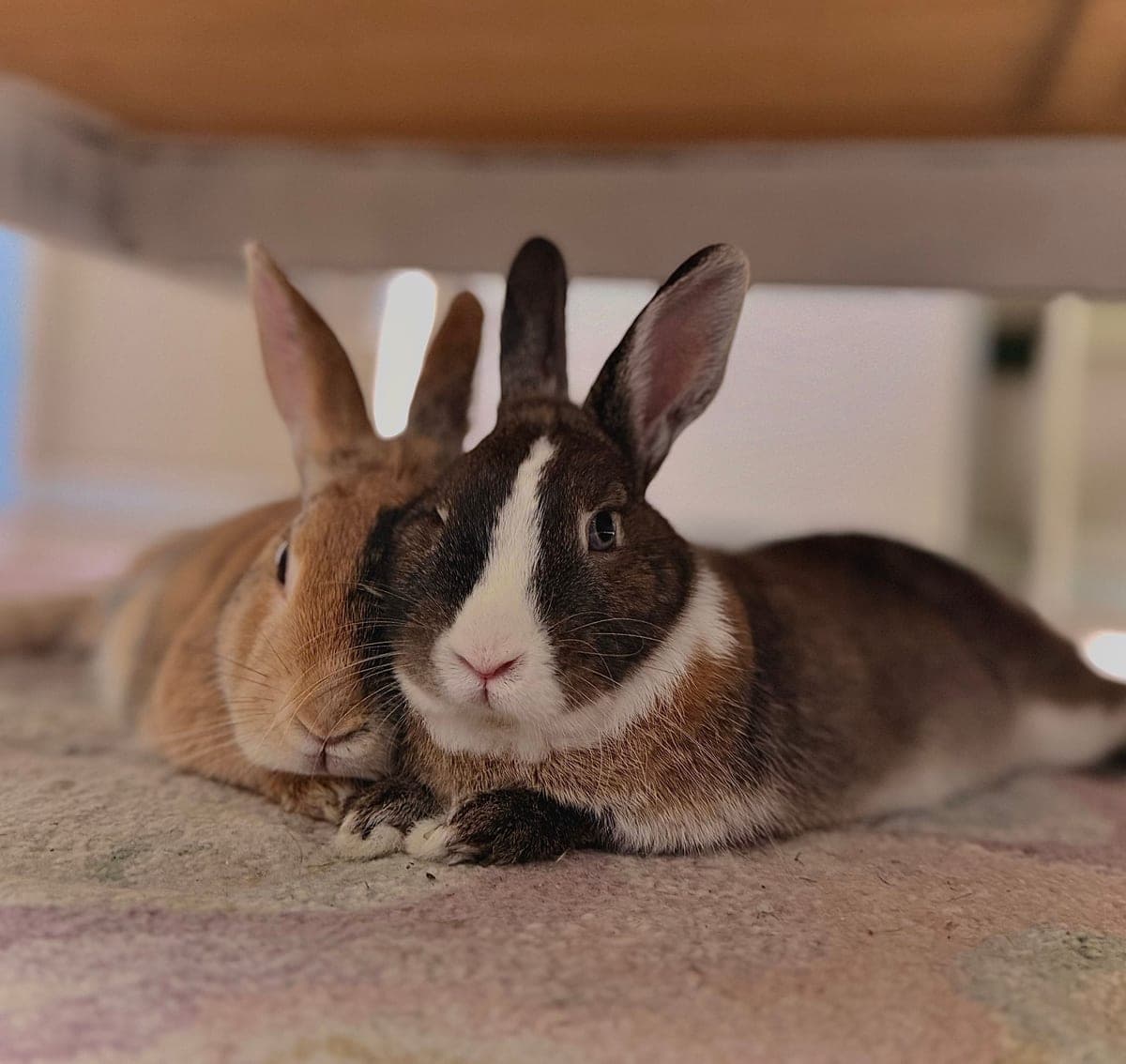
Indoors, the best housing is joined exercise pens around a shelter, or a rabbit-proofed room with free access. Four joined eight-panel pens give about 64 square feet, which clears the published minimum, at the lowest cost per square foot of anything available. No indoor rabbit *cage* we assessed comes close: the largest indoor hutch we could verify is 9.6 square feet, which is 15 percent of the figure.
Rabbit enclosure minimum · minimum
a single enclosed area of at least 3m x 2m by 1m high
Our conversion: 9ft 10in x 6ft 7in x 3ft 3in, about 64.5 square feet of floor
Indoors is the good news chapter of rabbit housing. Outdoors, reaching 64.5 square feet means a shed or a serious run build, with weather and predators to solve as well. Indoors it means a corner of a room and some panels, with no roof needed, no mesh gauge to worry about and no dig protection required.
Why a pen beats a cage indoors
The arithmetic, mostly. An indoor rabbit cage is a box with a door, priced as a piece of furniture, offering somewhere between 4 and 10 square feet. Exercise pens are panels, priced as wire, offering 16 square feet each and joining into one continuous block — which is what RWAF specifies, since it excludes platforms and connectors from the footprint.
A pen also solves the thing a cage gets wrong even when it is large: a cage has a door, and a rabbit in a cage is either in or out. A pen with a low-sided section, or a pen whose door stays open onto a proofed area, lets the rabbit choose. That is a behavioral improvement that no amount of cage floor delivers.
Which leaves the indoor hutch as a shelter
Same reframe as outdoors. RWAF publishes a shelter minimum of 1.8m x 0.6m x 0.6m sitting inside the enclosure, and an indoor timber hutch at 9.6 square feet is a well-sized shelter. It gives the rabbit a dark enclosed place to be, which pens do not, and it looks acceptable in a living room, which is why people actually use it.
The indoor-specific caveat on timber: it stains from urine faster indoors than it weathers outdoors, because there is no rain to rinse it and no sun to dry it. Pull-out trays, which the better indoor hutches have, are what make this manageable.
| # | Product | Best for | Score | Price |
|---|---|---|---|---|
| 1 |  Illustrative IllustrativeMidWest Homes for Pets 48 in Exercise Pen, 8 panels16 sq ft (2,304 sq in) enclosed as an octagon | Building a footprint that actually clears the published minimum | 8.7out of 10 | Check price on Amazon We do not print prices. #ad Disclosure |
| 2 | 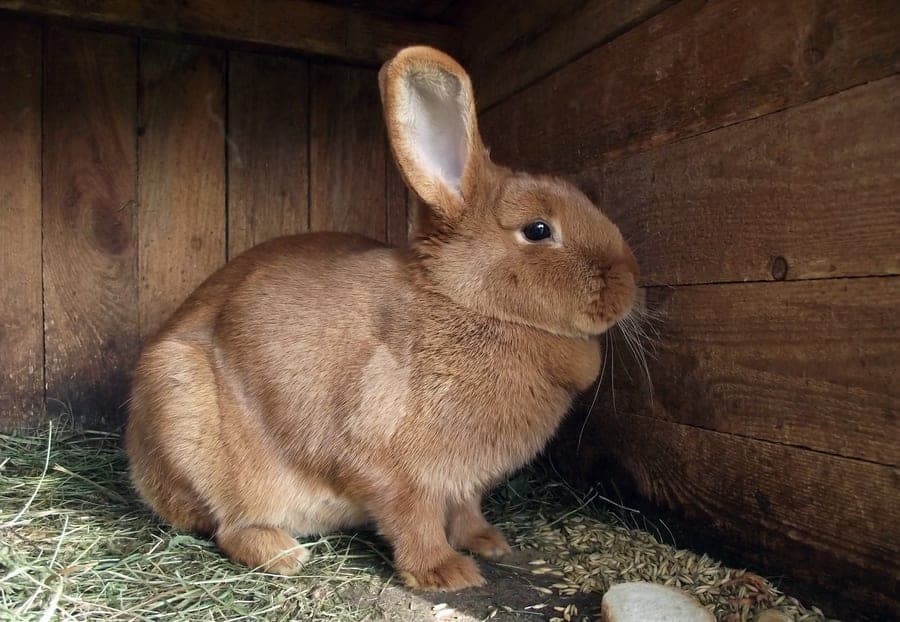 Illustrative IllustrativeAivituvin AIR19 Indoor Rabbit Hutch9.6 sq ft (1,382 sq in) as stated by the manufacturer | An indoor shelter beside a free-roam area | 6.8out of 10 | Check price on Amazon We do not print prices. #ad Disclosure |
| 3 | Illustrative TRIXIE Natura Insulated Two-Story Rabbit Hutch45.5 x 44.5 = 2,025 sq in, about 14.1 sq ft across both levels | Cold-winter shelter inside a larger pen | 7.5out of 10 | Check price on Amazon We do not print prices. #ad Disclosure |
Scores are our own assessment of published specifications against the thresholds set out in how we assess products. They are not test results and not customer ratings. Tap a row to read the full assessment.
| Product | Continuous floor | Bar spacing | Expandability | Material |
|---|---|---|---|---|
| MidWest Homes for Pets 48 in Exercise Pen, 8 panels | 16 sq ft (2,304 sq in) enclosed as an octagonclears our threshold | Mesh aperture listed as 1.5 x 6 in | Add-on panels sold separately; pens clip together into one footprint | Heavy-gauge wire with an e-coat finish |
| Aivituvin AIR19 Indoor Rabbit Hutch | 9.6 sq ft (1,382 sq in) as stated by the manufacturerbelow our threshold | Wire mesh; gauge and aperture not published | Deep pull-out trays under both levels | Fir timber frame with wire mesh panels and pull-out trays |
| TRIXIE Natura Insulated Two-Story Rabbit Hutch | 45.5 x 44.5 = 2,025 sq in, about 14.1 sq ft across both levelsbelow our threshold | Wire mesh doors; aperture not published | Insulated shell, the only one on this list with that claim | Glazed pine with an insulated shell and a hinged roof |
Dimensions as published by each manufacturer or its retailer, read 27 September 2026 and linked in each assessment below. A tick marks a product that clears our own floor-area threshold; a cross marks one that does not. Where a manufacturer does not publish a figure, the cell says so rather than estimating it.
Flooring indoors
Guinea pig flooring · minimum
plastic tubs, glass aquariums and cages with wire floors are stated to be not acceptable
An exercise pen has no floor, which means the room's floor is the rabbit's floor, and that needs thinking about. Laminate and tile are slippery, which is genuinely bad for a rabbit's joints and makes a sudden dash hazardous. Carpet grips well and gets eaten, and ingested carpet fiber is a real veterinary problem in rabbits.
What works: washable non-slip mats, rubber-backed rugs, or interlocking foam tiles with a covering over them — foam alone gets chewed. Whatever you use, the requirement is grip plus washability, and neither bare hard floor nor bare carpet gives you both. More detail in rabbit hutch flooring.
The rabbit-proofing that makes free-roam work
If you are willing to do the work, a proofed room beats every product on this page, and the work is mostly a weekend.
- 1.Cables. Every cable within reach in hard conduit or behind furniture. A rabbit chewing a live cable is the single most serious risk in indoor rabbit keeping and it is entirely preventable.
- 2.Skirting boards and door frames. Rabbits chew corners. Clear plastic corner guards or a length of cardboard where they work.
- 3.Houseplants. Many common houseplants are toxic to rabbits. Move them up, not just back.
- 4.Under-furniture gaps. A rabbit that gets behind a sofa and cannot turn round is a problem. Block gaps you cannot reach into.
- 5.A litter corner. Rabbits are readily litter-trained, and the corner they choose is the corner they choose — put the tray where they have already been going rather than where you would like it.
- 6.Grip underfoot in the areas they use at speed. See above.
The assessments
Our pick · Building a footprint that actually clears the published minimum
MidWest Homes for Pets 48 in Exercise Pen, 8 panels
The cheapest honest route to the 64.5 sq ft minimum, because four of these pens joined together get you there and a single hutch never will.
- Dimensions
- Eight panels, each 24 in wide by 48 in high; 16 sq ft enclosed
- Continuous floor
- 16 sq ft (2,304 sq in) enclosed as an octagon
- Bar spacing
- Mesh aperture listed as 1.5 x 6 in
- Material
- Heavy-gauge wire with an e-coat finish
- Expandability
- Add-on panels sold separately; pens clip together into one footprint
What it gets right
- 16 sq ft per pen, and add-on panels let you build one large block rather than several small ones
- 48 in height clears the 3ft 3in RWAF asks for
- Folds flat, so it can be moved or stored
- Ground anchors are included, which most pens leave out
What it gets wrong
- 1.5 x 6 in mesh apertures are wide enough for a small or young rabbit to push through; line the lower section
- No roof, so it is not predator-proof outdoors on its own
- Wire floor is the ground, which means digging out unless you lay mesh underneath
Who should buy something else
Not an outdoor enclosure by itself. Without a roof and a dug-in mesh skirt it is an exercise area, not secure housing, and a fox will treat it as a bowl.
Specifications read from MidWest product listing on 27 September 2026. Floor-area arithmetic is ours and is shown above so you can redo it.
Illustrative- Footprint vs threshold10
- Predator resistance4
- Height9
- Material durability8
- Flexibility10
We do not print prices. #ad Disclosure
Number 2 · An indoor shelter beside a free-roam area
Aivituvin AIR19 Indoor Rabbit Hutch
A well-organized indoor shelter at 9.6 sq ft, which is 15 percent of the published minimum and therefore a bedroom rather than a home.
- Dimensions
- Manufacturer states 9.6 sq ft of inner space
- Continuous floor
- 9.6 sq ft (1,382 sq in) as stated by the manufacturer
- Bar spacing
- Wire mesh; gauge and aperture not published
- Material
- Fir timber frame with wire mesh panels and pull-out trays
- Cleaning
- Deep pull-out trays under both levels
What it gets right
- Pull-out trays make daily cleaning quick, which matters indoors
- 9.6 sq ft is generous for a shelter section
- Timber looks acceptable in a living room, which is why people actually use it
What it gets wrong
- 9.6 sq ft is nowhere near a complete enclosure
- Indoor timber stains from urine faster than outdoor timber weathers
- Mesh aperture not published
Who should buy something else
Not for a rabbit that will be shut in it. This only works if the door stays open onto a room or a pen for most of the day.
Specifications read from Aivituvin product listing on 27 September 2026. Floor-area arithmetic is ours and is shown above so you can redo it.
Illustrative- Footprint vs threshold3
- Indoor practicality9
- Weather performance5
- Material durability6
- Cleaning9
We do not print prices. #ad Disclosure
Number 3 · Cold-winter shelter inside a larger pen
TRIXIE Natura Insulated Two-Story Rabbit Hutch
The only insulated shelter we could verify, which makes it the right answer to a cold-winter question and still not an enclosure on its own.
- Dimensions
- 45.5 x 44.5 x 25.5 in (retailer-listed)
- Continuous floor
- 45.5 x 44.5 = 2,025 sq in, about 14.1 sq ft across both levels
- Bar spacing
- Wire mesh doors; aperture not published
- Material
- Glazed pine with an insulated shell and a hinged roof
- Winter performance
- Insulated shell, the only one on this list with that claim
What it gets right
- Insulated shell is a genuine winter advantage over single-skin timber
- Hinged roof gives full access for cleaning
- 14.1 sq ft across two levels is a roomy shelter
What it gets wrong
- Two levels means the lower footprint is much less than 14.1 sq ft, and RWAF does not count upper floors
- Glazed pine still needs annual re-treating
- Mesh aperture not published
Who should buy something else
Not for a mild climate where the insulation buys nothing. In a mild winter you are paying for a feature you will not use and getting less footprint than the money would buy elsewhere.
Specifications read from Retailer listing of TRIXIE specifications on 27 September 2026. Floor-area arithmetic is ours and is shown above so you can redo it.
Illustrative- Footprint vs threshold4
- Predator resistance6
- Weather performance10
- Material durability7
- Cleaning8
We do not print prices. #ad Disclosure
What we would do indoors
- Best outcome: a proofed room with free access, a shelter to retire to and a litter tray. This exceeds any published figure and costs the least in equipment.
- Best compromise: four joined exercise pens making about 64 square feet, with a timber shelter inside and washable non-slip matting underneath. Clears the published minimum, contains the mess, and folds away if you need the room back.
- If space is genuinely tight: the largest pen arrangement that fits, plus daily supervised time in a proofed area. Be honest that this is a compromise rather than describing it as enough, and read housing a large breed rabbit if the animal is big.
- What we would not do: buy an indoor rabbit cage as the whole enclosure. At 4 to 10 square feet against a 64.5 square foot figure, the gap is not closeable with accessories.
Questions people ask
What is the best indoor rabbit cage?
How much space does an indoor rabbit need?
Can a rabbit live in a cage indoors?
What flooring is best for an indoor rabbit?
What do I need to rabbit-proof a room?
Sources
- Rabbit Welfare Association & Fund — Minimum space requirements
- MidWest Homes for Pets — 48in Exercise Pen
- Aivituvin AIR19 indoor hutch product listing — 9.6 sq ft inner space, pull-out trays
- Humane World for Animals — Guinea pig housing requirements — Cited for the wire-floor prohibition