Rabbits
Small Pet Select vs Rabbit Hole Hay
Both solve the same problem and they solve it differently: one sells you a cutting number, the other sells you a graded texture.
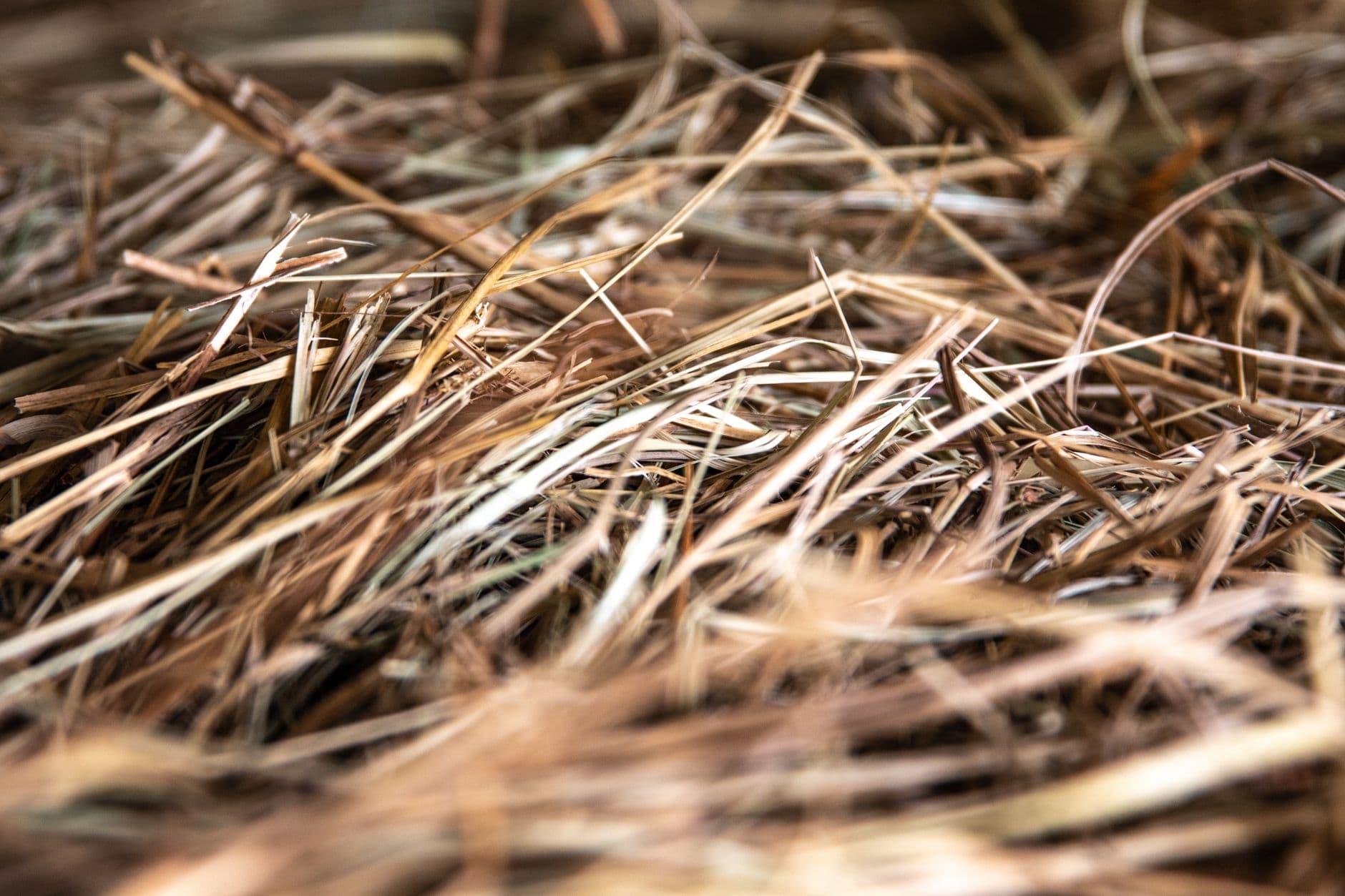
Rabbit Hole Hay for a fussy eater, a senior, or a rabbit with poor teeth — its soft cut is graded to a leaf-heavy texture every batch rather than sold as a harvest number. Small Pet Select for a healthy adult, where a stated 2nd cutting is the everyday hay and costs less per pound. Both are honest about what they are selling, which is rarer in this category than it should be.
Hay as a share of an adult rabbit's diet · recommendation
hay should comprise 85% of an adult rabbit's diet, offered unlimited and fresh daily
This is a comparison between two good answers to the same problem, which makes it more useful than a comparison between a good product and a bad one. Both sellers have decided that the pet-shop status quo — a bag of timothy with no information on it — is not good enough. They have then done two different things about it.
Two different promises
Small Pet Select sells the cutting. 1st, 2nd and 3rd are harvest numbers, and each one implies a texture: first is coarse and high in fiber with more flowery heads, second is leafier with a softer stem, third softer again. The number goes on the box and you order by it.
Rabbit Hole Hay sells the texture. Its range is Soft, Medium and Coarse rather than 1st, 2nd and 3rd, and the reason is stated plainly on its own product page: a true third cut needs a warm spring and a dry, warm fall, so the company grades each batch to its soft standard instead of promising a cutting that may not exist in a given year.
The comparison
| Small Pet Select | Rabbit Hole Hay | |
|---|---|---|
| Sold by | Cutting number: 1st, 2nd, 3rd | Graded texture: Soft, Medium, Coarse |
| Everyday hay for a healthy adult | 2nd Cutting | Ultra Premium Medium |
| For a fussy or senior rabbit | The softer cuts in the range | Ultra Premium Soft |
| For dental wear or weight control | 1st Cutting | Ultra Premium Coarse |
| Smallest size | 2 lb | 4 oz |
| Largest size | 40 lb | 80 lb |
| Trial option | Smallest box | 4 oz bags and a four-cut sample pack |
| Batch-to-batch consistency | As consistent as the cutting is | Graded to the standard each batch |
Taken from each seller's own product and range pages, read 29 September 2026. Sizes are those listed at that date.
| # | Product | Best for | Score | Price |
|---|---|---|---|---|
| 1 |  Illustrative IllustrativeRabbit Hole Hay Ultra Premium Soft Timothy HayNot applicable | Fussy eaters, seniors, and animals with sensitive teeth | 8.8out of 10 | Check price on Amazon We do not print prices. #ad Disclosure |
| 2 | Illustrative Small Pet Select 2nd Cutting Timothy HayNot applicable | Everyday hay for a healthy adult rabbit or guinea pig | 9.0out of 10 | Check price on Amazon We do not print prices. #ad Disclosure |
| 3 | Illustrative Rabbit Hole Hay Ultra Premium Medium Timothy HayNot applicable | Everyday hay where you want graded consistency rather than a cutting number | 8.9out of 10 | Check price on Amazon We do not print prices. #ad Disclosure |
| 4 | Illustrative Small Pet Select 1st Cutting Timothy HayNot applicable | Dental wear and animals that need a higher-fiber, less rich hay | 8.2out of 10 | Check price on Amazon We do not print prices. #ad Disclosure |
Scores are our own assessment of published specifications against the thresholds set out in how we assess products. They are not test results and not customer ratings. Tap a row to read the full assessment.
The sample pack is the real advantage
Rabbit Hole Hay sells 4 oz bags and a four-cut sample pack covering Medium, Soft and Coarse timothy plus soft orchard grass. For a rabbit that is refusing hay, that is the most useful thing in this entire comparison, because it turns a guess into a test: put four small piles down and watch which one gets eaten.
Buying a 10 lb box of the wrong texture is how people end up with a rabbit that will not eat hay and a cupboard they resent. Four ounces of each is a much cheaper way to find the answer, and the answer is often not the one you would have picked.
Where Small Pet Select is the better buy
For a healthy adult rabbit with good teeth eating a lot of hay, 2nd cutting in a large box is the sensible purchase. It is the texture most adults should be on, the cutting number makes it repeatable enough, and it costs less per pound than a graded premium product.
There is also a welfare argument against buying soft hay by default. A soft, leafy hay is more palatable and does less dental work, and a rabbit's teeth grow continuously. Feeding exclusively soft hay to an animal that does not need it is a missed opportunity for tooth wear, which is why we have not simply recommended the softest product on the page.
The assessments
Our pick · Fussy eaters, seniors, and animals with sensitive teeth
Rabbit Hole Hay Ultra Premium Soft Timothy Hay
The most honest answer anywhere to the third-cut question: graded to a soft profile every batch, rather than sold as a cutting that may not exist in a given year.
- Dimensions
- Sold in 4 oz, 12 oz, 24 oz, 5, 10, 20, 40 and 80 lb (manufacturer-listed)
- Continuous floor
- Not applicable
- Bar spacing
- Not applicable
- Material
- Timothy grass hay, graded to a soft, leaf-heavy profile
- Cut sold
- Graded rather than numbered: the seller states it grades each batch to a soft standard instead of promising a cutting
What it gets right
- Graded per batch to a soft, leaf-heavy standard, so the texture is the promise rather than the harvest number
- The seller states plainly that a true third cut needs a warm spring and a dry, warm fall, which most sellers avoid saying
- 4 oz and 12 oz sizes, and a four-cut sample pack, make trialling texture cheap
- The widest size ladder here, from 4 oz up to 80 lb
What it gets wrong
- A soft leafy hay does less dental work than a coarse one
- Premium pricing, and the small sizes are expensive per pound
- Leafy hay travels less well and arrives with more loose leaf at the bottom of the bag
Who should buy something else
Not the everyday hay for a healthy adult with good teeth. That animal belongs on a medium or second cut, and a soft hay fed exclusively is a missed opportunity for tooth wear.
Specifications read from Rabbit Hole Hay product page on 29 September 2026. Floor-area arithmetic is ours and is shown above so you can redo it.
Illustrative- Consistency between orders9
- Texture for a fussy animal10
- Dental wear5
- Size range10
- Value per pound6
We do not print prices. #ad Disclosure
Number 2 · Everyday hay for a healthy adult rabbit or guinea pig
Small Pet Select 2nd Cutting Timothy Hay
The one hay here that tells you which cutting is in the box before you open it, which is the only way to buy the same texture twice.
- Dimensions
- Sold in 2, 5, 10, 20, 25 and 40 lb boxes (manufacturer-listed)
- Continuous floor
- Not applicable
- Bar spacing
- Not applicable
- Material
- Timothy grass hay, second cutting, grown in the Pacific Northwest, USA
- Cut sold
- 2nd cutting, named on the box. The seller describes it as leafy with a soft stem and a medium amount of flowery heads
What it gets right
- The cutting is stated on the product, so a repeat order is the same hay
- Softer texture and a higher leaf-to-stem ratio than 1st cutting, per the seller
- Sold up to 40 lb, which is the sensible way to buy something that is 85 percent of a diet
- The seller positions it as the everyday hay for a healthy adult rather than a specialist cut
What it gets wrong
- Costs more per pound than a farm-store bale
- Box sizes are large enough that a single rabbit needs somewhere dry to keep the rest
- The 2 lb size was listed as backordered when we read the page
Who should buy something else
Not the right buy for a rabbit that needs maximum dental wear or is gaining weight on a rich hay. That animal wants 1st cutting, which is the coarser product from the same seller.
Specifications read from Small Pet Select product page on 29 September 2026. Floor-area arithmetic is ours and is shown above so you can redo it.
Illustrative- Consistency between orders9
- Texture for an adult9
- Size range9
- Dust and leaf loss8
- Value per pound7
We do not print prices. #ad Disclosure
Number 3 · Everyday hay where you want graded consistency rather than a cutting number
Rabbit Hole Hay Ultra Premium Medium Timothy Hay
The everyday hay in a range whose soft cut gets all the attention, and the one most healthy adult rabbits and guinea pigs should actually be eating.
- Dimensions
- Sold from 4 oz up to 40 lb (manufacturer-listed)
- Continuous floor
- Not applicable
- Bar spacing
- Not applicable
- Material
- Timothy grass hay, graded between the seller's soft and coarse cuts
- Cut sold
- Graded to a balanced profile: thinner stems and broader leaves than the coarse cut, described by the seller as the everyday hay
What it gets right
- Sits between soft and coarse, which is where a healthy adult belongs
- Graded per batch, so the texture repeats between orders
- Same wide size ladder as the soft cut, including 4 oz trial bags
What it gets wrong
- Premium pricing against a pet-shop bag
- Ordered from the seller rather than picked up locally tonight
Who should buy something else
Not for an animal that has already refused a medium-texture hay. If yours picks out the leaf and leaves the stems, buy the soft cut and accept the dental trade-off rather than buying this and hoping.
Specifications read from Rabbit Hole Hay product page on 29 September 2026. Floor-area arithmetic is ours and is shown above so you can redo it.
Illustrative- Consistency between orders9
- Texture for an adult9
- Dental wear8
- Size range10
- Value per pound6
We do not print prices. #ad Disclosure
Number 4 · Dental wear and animals that need a higher-fiber, less rich hay
Small Pet Select 1st Cutting Timothy Hay
The coarse end of the same seller's range, and the one to buy when the problem is a rabbit that is overweight or not wearing its teeth down.
- Dimensions
- Sold in the same box ladder as the 2nd cutting (manufacturer-listed)
- Continuous floor
- Not applicable
- Bar spacing
- Not applicable
- Material
- Timothy grass hay, first cutting, grown in the Pacific Northwest, USA
- Cut sold
- 1st cutting, named on the box. Higher fiber and coarser than the 2nd, with more of the flowery heads
What it gets right
- High fiber and less fattening than the later cuts, per the seller
- More stem and seed head, which is the part that does the dental work
- Same stated-cutting consistency as the 2nd cutting
What it gets wrong
- Coarse enough that a fussy animal may refuse it outright
- Not the everyday choice the seller itself recommends for a healthy adult
Who should buy something else
Not for a senior rabbit, an animal with poor dental condition, or a known picky eater. Those animals want a softer cut, and a hay that gets refused does nothing at all.
Specifications read from Small Pet Select product page on 29 September 2026. Floor-area arithmetic is ours and is shown above so you can redo it.
Illustrative- Consistency between orders9
- Texture for an adult6
- Dental wear10
- Dust and leaf loss8
- Value per pound7
We do not print prices. #ad Disclosure
The verdict
For a fussy eater, a senior, or a rabbit with dental problems: Rabbit Hole Hay. Start with the sample pack rather than guessing, then buy the cut that got eaten. The graded soft standard is the best answer available to the third-cut question, and the company's willingness to explain why it does not promise a third cut is a good sign about everything else on the label.
For a healthy adult eating well: Small Pet Select 2nd Cutting. The right texture, in the right size, at a lower price per pound, with a cutting number that makes reordering predictable.
If you want one answer for a household with both: Rabbit Hole Hay Medium for everyday feeding and a 4 oz bag of the Soft cut in reserve for the animal that goes off its food. That covers the common case and the awkward one without a cupboard full of hay nobody eats.
Comparing against the pet-shop default instead? Small Pet Select vs Oxbow covers the brand most people are actually switching from.
Questions people ask
Is Rabbit Hole Hay better than Small Pet Select?
What is third cutting timothy hay?
Should I buy soft hay for my rabbit?
My rabbit won't eat hay. What should I try?
How much hay does a rabbit get through?
Sources
- Rabbit Hole Hay — Ultra Premium Soft Timothy Hay — Grading statement, the third-cut explanation, sizes and prices. Read 29 September 2026.
- Rabbit Hole Hay — Ultra Premium Medium Timothy Hay — The everyday cut in the same graded range.
- Rabbit Hole Hay — Start here: timothy and orchard hay — The Soft, Medium and Coarse range structure, sample pack and size ladder.
- Small Pet Select — 2nd Cutting Timothy Hay — Cutting description, leaf-to-stem claim and size range.
- House Rabbit Society — Rabbit diet and nutrition — The 85 percent of diet figure.