Guinea pigs have the most specific published housing guidance of the four species on this site. Humane World for Animals publishes a figure for one animal, for two, for three and for four, splits each into a bare minimum and a preferred area, sets a wall height, and rules out three flooring types by name. It is unusually actionable, and it makes this the easiest category to shop in — provided you know which of the two figures you are aiming at.
Guinea pig cage minimum · minimum
7.5 sq ft (about 30in x 36in) bare minimum for one; 7.5 sq ft minimum for two, with at least 10.5 sq ft (30in x 50in) preferred
Issued by Humane World for Animals, read 27 September 2026. The same guidance sets 10.5 sq ft minimum and 13 sq ft preferred for three, and 13 sq ft minimum with 30in x 76in preferred for four.
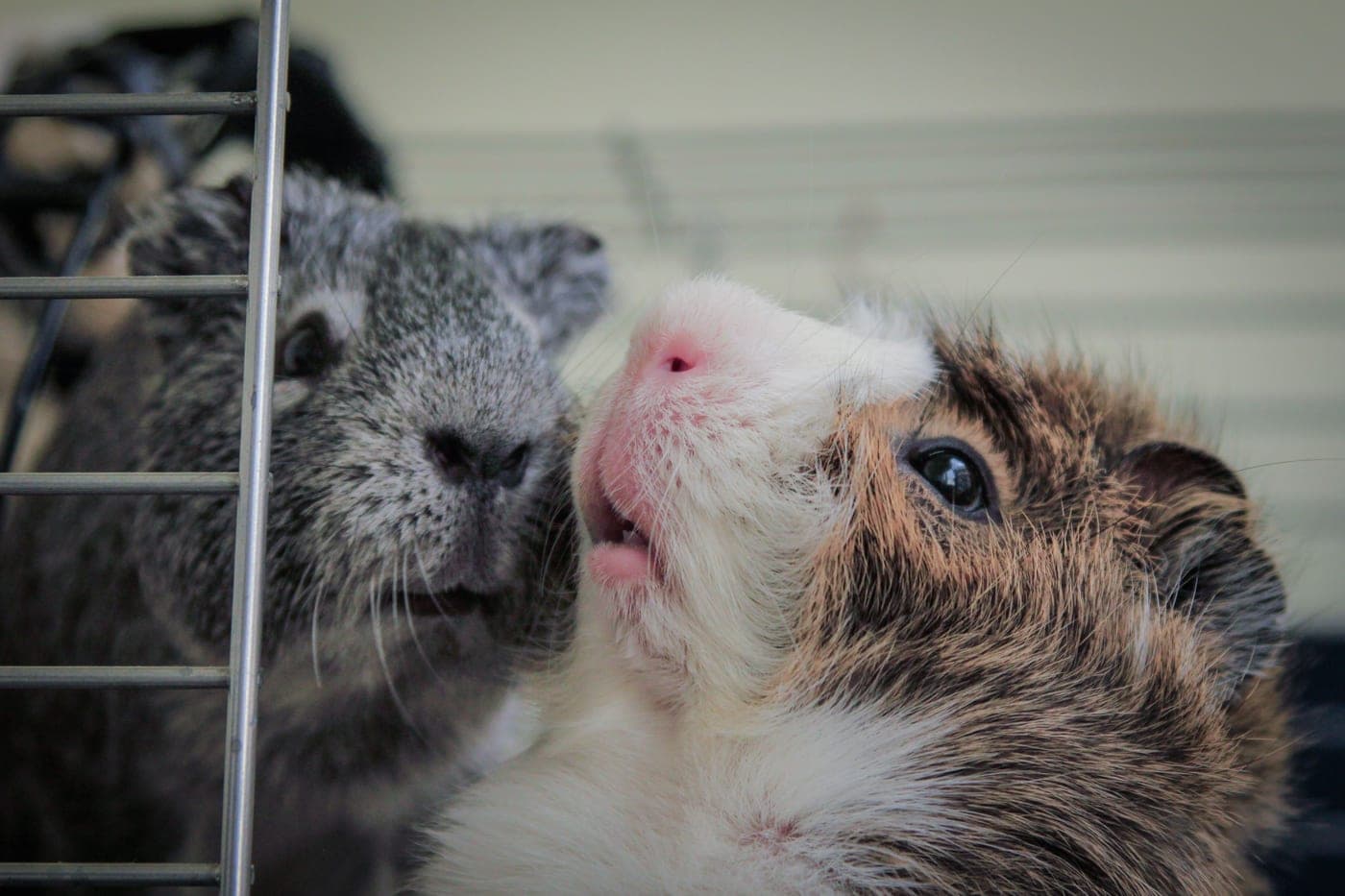
Our recommendation is the preferred figure, 10.5 square feet for a pair, not the 7.5 square foot minimum. The reasoning is simple and we label it as ours: guinea pigs are obligately social, so a pair is the normal case rather than the exception, and 7.5 square feet shared between two animals is a floor set to prevent the worst outcome rather than to produce a good one.
Why this matters for what you can buy
Aiming at 10.5 rather than 7.5 square feet changes the answer. The most widely sold purpose-built guinea pig habitat gives 47 x 24 inches, which is about 7.8 square feet — over the minimum for two, under the preferred. A 4x2 modular C&C cage gives 55.1 x 27.6 inches, about 10.6 square feet, which clears the preferred figure by a whisker.
That is the central trade in this category, and it is not purely about area. The habitat ships with a removable mesh lid and a divider panel, which the open-topped C&C cage does not, and a lid is not a luxury in a house with a cat. Both cages are assessed in best guinea pig cages, and the modular-versus-shop-bought question is worked through in C&C versus pet-store cages.
Twelve inches of wall height. Both of the cages above clear it — 14 inches and 13.8 inches respectively — but plenty of low-sided pens and converted furniture do not, and a guinea pig that can get out will. The RSPCA adds a behavioral reason to give more: around 30cm of height for the frisky hop, which is the vertical jump a content guinea pig does and which a 12-inch wall technically permits and does not encourage.
Guinea pig flooring · minimum
plastic tubs, glass aquariums and cages with wire floors are stated to be not acceptable
And the flooring rule, which is the most prescriptive sentence in any guidance we cite: plastic tubs, glass aquariums and cages with wire floors are all stated to be unacceptable. Wire floors cause sore hocks. Tubs and aquariums fail on ventilation and on wall height relative to floor. This rules out several things people improvise with, and it is worth reading before you convert something.
Bedding and liners
Guinea pig bedding · recommendation
2 to 3 inches of paper bedding; cedar and pine shavings are stated to be not recommended because of chemicals they both contain
Two to three inches of paper bedding, and no cedar or pine — the same phenol question covered in cage materials safety. Note how much shallower this is than the hamster figure: guinea pigs do not burrow, so bedding here is about absorbency and foot comfort rather than structure. That makes a full change quick, and it makes washable fleece liners a genuinely competitive alternative rather than a novelty.
Liners change the economics: the up-front cost is higher and the running cost after that is detergent. They also produce no dust at all, which matters for an animal prone to respiratory problems. The trade is laundry, every two or three days, with hay in the machine filter as the recurring annoyance nobody mentions. Best guinea pig cage liners covers which ones fit properly, and liners versus disposable bedding does the comparison honestly, including where disposable wins.
Temperature, which is a real constraint
Guinea pig temperature range · recommendation
17-20C ideal; move indoors below 15C; above 26C can cause heatstroke
Issued by RSPCA, read 27 September 2026. The same guidance states guinea pigs need around 30cm of height to perform their frisky hop play behavior, but publishes no floor-area figure.
The RSPCA's band is narrow: 17-20C ideal, move indoors below 15C, heatstroke risk above 26C. For a species often housed outdoors in a hutch, that is a demanding specification in most climates, and it is the main argument for keeping guinea pigs indoors where the room does the work. If they are outside, the same hutch questions apply as for rabbits — see protecting an outdoor hutch in winter.
Where to start: if you are buying, guinea pig cage size has the full table of published figures by number of animals, and the C&C cage guide explains the modular system that dominates the top of this category and why it is cheaper per square foot than anything purpose-built.
Questions people ask
+−What size cage do two guinea pigs need?
Humane World for Animals publishes 7.5 square feet as the bare minimum for two and at least 10.5 square feet (30 x 50 inches) as preferred. We recommend the preferred figure, because guinea pigs are obligately social so a pair is the normal case.
+−Are pet-store guinea pig cages big enough?
The most widely sold purpose-built habitat gives about 7.8 square feet, which clears the bare minimum for two and falls short of the preferred 10.5. A 4x2 modular C&C cage gives about 10.6 square feet and clears it.
+−Can guinea pigs live in a plastic tub or an aquarium?
No. Humane World for Animals states that plastic tubs, glass aquariums and cages with wire floors are all unacceptable. Tubs and aquariums fail on ventilation and on wall height relative to floor area; wire floors cause sore hocks.
+−How deep should guinea pig bedding be?
Two to three inches of paper bedding, per Humane World for Animals, with cedar and pine not recommended. Much shallower than for hamsters, because guinea pigs do not burrow — here bedding is about absorbency and foot comfort.