Guinea pigs
Fleece liners vs disposable bedding
A genuinely close call, and the deciding factor is your laundry access rather than the products.
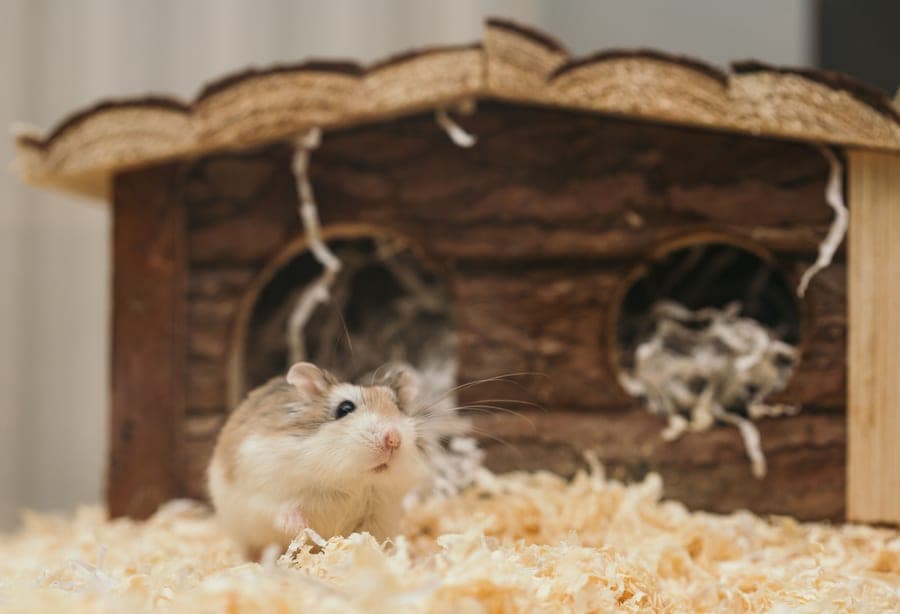
Fleece liners produce no dust, cost almost nothing to run after purchase, and need washing every two or three days — so they need easy laundry access. Paper bedding needs no machine, is better in a concentrated urine corner, and costs continuously. For guinea pigs both are genuinely viable, because the published bedding depth is only two to three inches. Neither may be cedar or pine.
Guinea pig bedding · recommendation
2 to 3 inches of paper bedding; cedar and pine shavings are stated to be not recommended because of chemicals they both contain
This comparison is closer for guinea pigs than for any other species on this site, and the reason is the shallowness of the published figure. Two to three inches is not a burrow — it is a layer for absorbency and foot comfort — so there is no structure a liner destroys, which is exactly why liners are a real option here and would be wrong for a hamster.
Side by side
| Fleece liners | Paper bedding | |
|---|---|---|
| Up-front cost | Higher; buy two | Minimal |
| Running cost | Detergent and electricity | Continuous; a bag every week or two |
| Dust | None at all | Low in good products, never zero |
| Absorbency in a urine corner | Moderate; needs a pad or tray | Good |
| Odor control | Depends on wash cadence | Good, especially odor-control paper |
| Daily work | Sweep droppings and hay | Spot-clean the wet corner |
| Every 2-3 days | Full liner change and a wash cycle | Nothing, or a partial change |
| Weekly | Nothing extra | Full change |
| Needs a washing machine | Yes | No |
| Hay in the machine | The recurring annoyance | n/a |
| Waste produced | Almost none | A bag a week |
| Foot comfort | Excellent | Good |
Where liners genuinely win
Dust, and this is the strongest argument. Guinea pigs are prone to respiratory problems, and dust is a respiratory irritant they cannot get away from at floor level. A fleece liner produces none — not less, none. Even good paper bedding produces some.
Running cost. After the initial purchase the cost is detergent. Over a guinea pig's five-to-seven-year life, against a bag of bedding every week or two, liners are clearly cheaper in total. That calculation only holds if you actually keep using them, which is where the laundry question comes in.
Waste. A bag of soiled bedding a week for five years is a genuine quantity of waste, and liners produce almost none. Not a welfare argument and a real one.
Foot comfort. Fleece over a solid base is the kindest surface in this comparison, which matters for a species whose flooring guidance exists because of sore hocks.
Where disposable genuinely wins
No machine needed. The decisive one. Without easy laundry access, liners are worse than bedding rather than better: a soiled liner with nowhere to wash it is a cage that stays soiled.
The urine corner. Guinea pigs concentrate urine, and paper bedding handles a saturated corner better than fleece does. A liner setup needs an absorbent pad or a small tray of paper in the corner they use, which is a hybrid rather than a pure liner system.
Hay. Guinea pigs eat hay constantly, and hay plus a washing machine filter is a recurring annoyance nobody mentions before you start. Shake liners out thoroughly outdoors and use a mesh laundry bag; it helps and does not eliminate it.
Zero commitment. A bag of bedding requires nothing of you beyond buying it. A liner system is a routine, and routines lapse.
| # | Product | Best for | Score | Price |
|---|---|---|---|---|
| 1 | 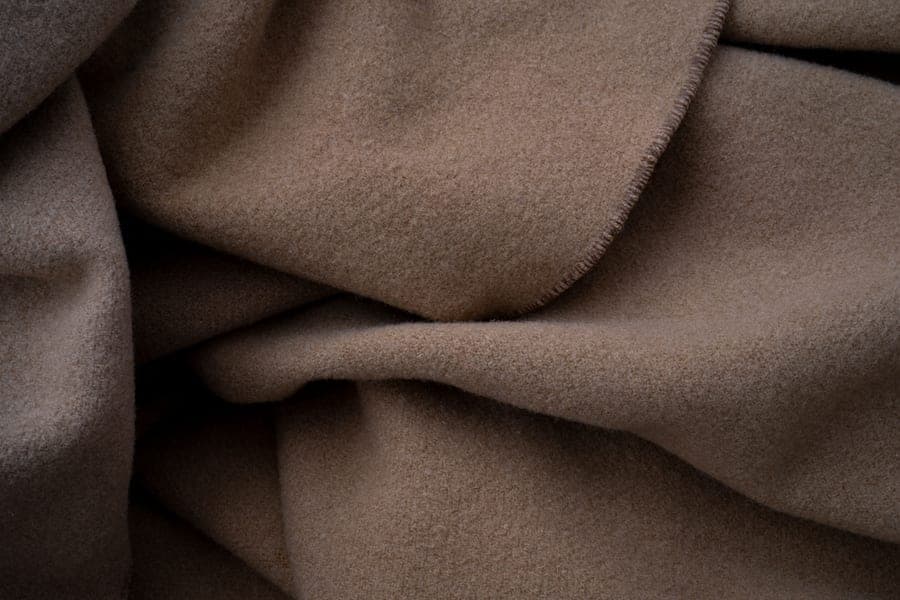 Illustrative IllustrativeGuineaDad Fleece LinerCovers the cage base it is sized for | Replacing disposable bedding entirely | 8.6out of 10 | Check price on Amazon We do not print prices. #ad Disclosure |
| 2 | Illustrative carefresh Small Pet BeddingNot applicable | Availability and softness | 8.0out of 10 | Check price on Amazon We do not print prices. #ad Disclosure |
| 3 | Illustrative Kavee Fleece Liner for C&C CagesCovers the cage base it is sized for | Anyone already running a Kavee cage | 8.4out of 10 | Check price on Amazon We do not print prices. #ad Disclosure |
Scores are our own assessment of published specifications against the thresholds set out in how we assess products. They are not test results and not customer ratings. Tap a row to read the full assessment.
What neither may be
Pine and cedar shavings · recommendation
phenols in softwood shavings raise liver enzyme levels; in rodents, constant exposure to phenol-containing litters is reported to have reduced drug effectiveness by more than 40 percent
Cedar or pine. Humane World for Animals states in the same guidance that sets the bedding depth that cedar and pine shavings are not recommended because of chemicals they both contain, and the mechanism — phenols, liver enzyme induction, altered drug metabolism — is documented in the House Rabbit Society article we cite. Paper for disposable bedding; the full discussion, including the genuinely open kiln-dried question, is in is pine bedding safe.
Also ruled out by the same guidance: wire floors, plastic tubs and glass aquariums. Whichever bedding system you choose, it goes over a solid washable base.
The products
Our pick · Replacing disposable bedding entirely
GuineaDad Fleece Liner
A washable liner with a built-in pocket, which is the one fleece feature that addresses a real guinea pig behavior rather than just absorbency.
- Dimensions
- Sized to standard C&C footprints including 4x2
- Continuous floor
- Covers the cage base it is sized for
- Bar spacing
- Not applicable
- Material
- Bamboo-fiber fleece over an absorbent core
- Burrow provision
- Integral pocket the animals can get under
What it gets right
- Washable, so the running cost after purchase is detergent rather than bedding
- Integral pocket gives the hiding place a bare fleece liner does not
- No dust at all, which matters for a respiratory-sensitive animal
What it gets wrong
- Needs washing every two to three days, and it takes a full machine cycle
- Fleece must be wicked before first use or liquid sits on the surface
- Higher up-front cost than a bag of paper bedding
Who should buy something else
Wrong if you do not have easy laundry access, or if hay ends up everywhere in your setup. Hay in a washing machine filter is a real and recurring problem.
Specifications read from Manufacturer listing on 27 September 2026. Floor-area arithmetic is ours and is shown above so you can redo it.
Illustrative- Dust10
- Absorbency8
- Running cost9
- Behavioral provision9
- Convenience6
We do not print prices. #ad Disclosure
Number 2 · Anyone already running a Kavee cage
Kavee Fleece Liner for C&C Cages
The liner that actually fits the cage, which sounds trivial until you have chased a folded corner full of urine around a 4x2 for a week.
- Dimensions
- Cut to Kavee C&C sizes including 4x2 and 6x2
- Continuous floor
- Covers the cage base it is sized for
- Bar spacing
- Not applicable
- Material
- Fleece top over an absorbent middle layer and waterproof backing
- Fit
- Cut to the same grid dimensions as the cages, so no gaps at the corners
What it gets right
- Exact fit to the cage footprint, so no corner folds and no exposed correx
- Waterproof backing protects the correx base underneath
- Washable, dust-free
What it gets wrong
- Only worth it if your cage is a standard C&C footprint
- Same laundry cadence as any fleece system
- No integral hiding pocket
Who should buy something else
Not for a non-standard or homemade cage, where an off-size liner will fold and defeat the point. Measure first.
Specifications read from Manufacturer listing on 27 September 2026. Floor-area arithmetic is ours and is shown above so you can redo it.
Illustrative- Dust10
- Absorbency8
- Running cost9
- Fit10
- Convenience6
We do not print prices. #ad Disclosure
Number 3 · Availability and softness
carefresh Small Pet Bedding
The most widely stocked paper bedding, and a safe default whose only real weakness is that it compacts rather than holding an open tunnel.
- Dimensions
- Sold in compressed packs from 14 L to 60 L expanded
- Continuous floor
- Not applicable
- Bar spacing
- Not applicable
- Material
- Reclaimed paper fiber
- Handling
- Soft, short fiber that packs down more than kraft paper
What it gets right
- Paper fiber, so the softwood phenol question does not arise
- Stocked almost everywhere, which matters when you need a bag today
- Very soft, and good in nest boxes
What it gets wrong
- Compacts under its own weight, so deep burrows collapse more readily
- Short fiber means more dust in the bag than kraft-paper products
- Smaller pack sizes make a 10 in fill expensive
Who should buy something else
Not the choice if deep burrowing is the point of your setup. Use it in the nest and a kraft-paper or aspen substrate for the depth.
Specifications read from Manufacturer listing on 27 September 2026. Floor-area arithmetic is ours and is shown above so you can redo it.
Illustrative- Material safety10
- Dust7
- Burrow stability6
- Volume per pack7
- Value per liter8
We do not print prices. #ad Disclosure
What we would do
- A washing machine and a routine you will keep: liners, with a paper tray in the urine corner. Dust-free, cheapest over the animals' lifetime, and the kindest surface.
- No easy laundry access, or a household where routines lapse: paper bedding. It asks nothing of you and it is a perfectly good answer.
- A guinea pig with a respiratory history: liners, and this is the one case where we would call it clear rather than a preference.
- Whichever you choose: two to three inches of depth if disposable, a solid base underneath either, and never cedar or pine.
The wider comparison of bedding materials across species — including why aspen matters for hamsters and not for guinea pigs — is in aspen versus paper bedding.
Questions people ask
Are fleece liners or bedding better for guinea pigs?
Is aspen or paper bedding better for guinea pigs?
Do fleece liners smell?
How much does a fleece liner setup cost to run?
Can I use both fleece and bedding?
Why is pine bedding not recommended for guinea pigs?
Sources
- Humane World for Animals — Guinea pig housing requirements — 2 to 3 inches of paper bedding; cedar and pine not recommended; wire floors, tubs and aquariums unacceptable
- House Rabbit Society — The dangers of softwood shavings
- GuineaDad Fleece Liner product listing