Hamsters
Is pine bedding safe for hamsters?
The mechanism is real and documented. The cancer claim is weaker than you will read elsewhere. The kiln-dried question is genuinely open.
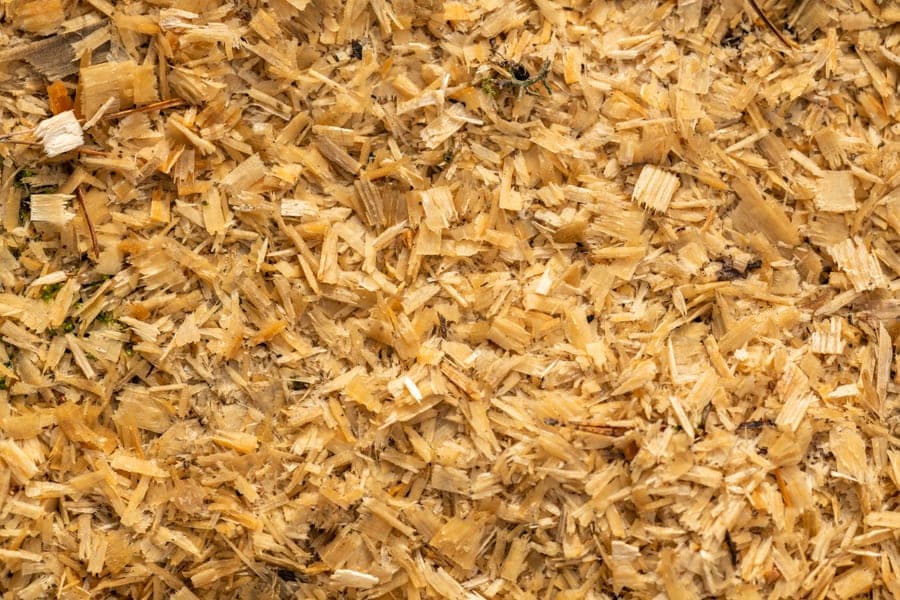
We would not use pine or cedar shavings, and the reason is narrower than the internet's version of it. Softwoods release phenols; exposed rodents show raised liver enzymes; and those same enzymes metabolize drugs, so anaesthetics and painkillers become less effective. That is documented. The cancer claim commonly attached to softwood bedding is, by the same source's own assessment, only suggestive. Since aspen costs about the same and holds a tunnel better, the decision is easy even where the science is not settled.
Pine and cedar shavings · recommendation
phenols in softwood shavings raise liver enzyme levels; in rodents, constant exposure to phenol-containing litters is reported to have reduced drug effectiveness by more than 40 percent
What the evidence supports
The House Rabbit Society publishes an account of this by George Flentke, PhD, and it is the most specific source we found. Its claims, as it makes them:
- Phenols are volatile chemicals naturally present in the wood, and they are responsible for the distinctive smell of pine and cedar shavings. The smell is the exposure.
- Exposed animals produce elevated levels of liver enzymes as a defensive response.
- Those enzymes also metabolize drugs. The article names xylazine and ketamine (anaesthetics), dexamethasone, theophylline, and opioid painkillers including butorphanol.
- In rodents, constant exposure to phenol-containing litters is reported to have reduced drug effectiveness by more than forty percent.
That last point is the one that should move an owner, and it is the one least often mentioned. It is not primarily an argument about slow harm from bedding. It is an argument about what happens the day your animal needs anaesthesia — a dental, a lump removal, an emergency. An animal housed on softwood metabolizes the drug faster, and the vet is dosing an animal whose liver has been quietly upregulated.
Independently, Humane World for Animals states in its guinea pig housing guidance that cedar and pine shavings are not recommended because of chemicals they both contain. That is a welfare body's flat position rather than a mechanism, and between the two the practical answer is settled.
What the evidence does not support
You will read that pine bedding causes cancer. The source above — the same article that documents the enzyme mechanism — describes that evidence as at best, only suggestive, citing increased cancer rates in certain rodents and occupational risk among sawmill workers, and noting that causation remains unclear.
We repeat that assessment rather than improving on it. A page that inflates the strongest available evidence is a page you cannot use for anything else, and the enzyme and drug-metabolism findings are sufficient on their own without borrowing weight from a weaker claim.
Is kiln-dried pine different?
This is the genuinely open question, and we are going to leave it open rather than resolve it for the sake of a cleaner answer.
The argument for kiln-dried pine: heat treatment drives off volatile compounds, so a kiln-dried product contains substantially less phenol than raw shavings. Figures of up to 95 percent removal circulate. If that is accurate, the exposure is a fraction of the untreated case.
The arguments against relying on it: the source above notes that where softwood is heat-treated or solvent-treated so some phenols are removed, the effects are reduced but still occur. "Kiln-dried" is not a regulated term with a verifiable phenol specification attached, so you cannot check what any particular bag contains. And the reduction figures in circulation are not, as far as we could find, traceable to a published measurement.
Our position, labeled as ours: kiln-dried pine is probably much safer than raw pine and is not verifiable, and since aspen is a hardwood with no phenol issue at a similar price and better tunnel structure, there is nothing to gain by taking the uncertainty. We are not going to tell you kiln-dried pine will harm your hamster, because we do not know that. We are going to say there is no reason to find out.
What about pine pellets?
Compressed pine pellets, sold as horse or cat litter, are usually kiln-processed and have far less surface area than shavings, so the volatile release is lower again. They are also useless as hamster substrate for a different reason: a hamster cannot tunnel through pellets. If you use them at all, use them in a litter corner, not as a substrate.
The alternatives, and what you give up
| Material | Phenol concern | Holds a tunnel | Cost per liter |
|---|---|---|---|
| Pine shavings | Yes, documented | Well | Low |
| Cedar shavings | Yes, and stronger than pine | Well | Low |
| Kiln-dried pine | Reduced, not verifiable | Well | Low |
| Aspen shavings | None; hardwood | Best of these | Low |
| Kraft paper bedding | None | Moderately | Higher |
| Reclaimed paper fiber | None | Poorly, it compacts | Moderate |
The row that closes the argument is aspen. It is a hardwood, so the mechanism does not apply; it costs roughly what pine costs; and it holds a burrow better than any other option here. There is no trade-off being made by switching. The full comparison is in aspen versus paper bedding.
What to use instead
Standard aspen at pine's price point, screened aspen if dust matters where the enclosure lives, and kraft paper for the top layer and latrine corner.
- Illustrative
Deep burrowing on a budget
Kaytee Aspen Small Animal Bedding
Not applicable
The cheapest substrate we are willing to recommend, and the best tunnel-holder of the three, at the cost of visible dust in the bag.
Check price on AmazonWe do not print prices. #ad Disclosure
- Illustrative
Aspen without the dust
Small Pet Select Aspen Bedding
Not applicable
Aspen with the dust problem largely solved, which is the one reason to pay more than the supermarket bale costs.
Check price on AmazonWe do not print prices. #ad Disclosure
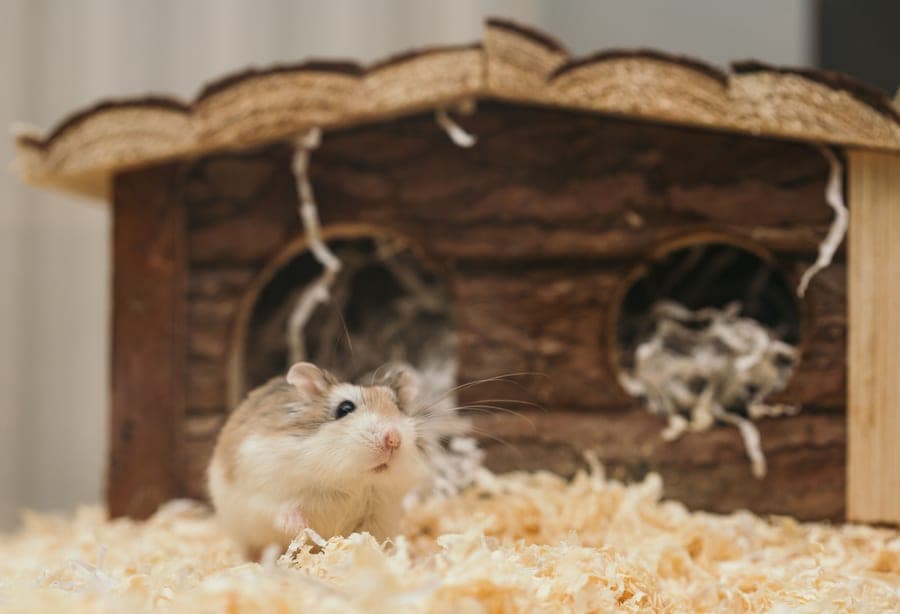 Illustrative
Reaching a 10 in burrow depth without buying six bags
Kaytee Clean & Cozy White Paper Bedding
One 85 L bag fills roughly 10 in deep over a 500 sq in footprint
Paper, dust-controlled and sold in a volume large enough to actually reach 10 in of depth, which is the spec that matters and the one most bedding bags fail on.
Check price on AmazonWe do not print prices. #ad Disclosure
If you have been using pine
Change it at the next clean and do not worry about the interval. The documented effects concern ongoing exposure, and the enzyme response in the cited work reversed when animals were away from the shavings. One thing worth doing: if your animal has a procedure coming up, mention the bedding history to the vet, because the drug-metabolism point is the practical one and it is information they can use.
Questions people ask
Is pine bedding safe for hamsters?
Is kiln-dried pine bedding safe?
Does pine bedding cause cancer in hamsters?
Is Kaytee pine bedding safe for hamsters?
Is pine bedding bad for guinea pigs and rabbits?
I have been using pine. What should I do?
Sources
- House Rabbit Society — The dangers of softwood shavings (George Flentke, PhD) — Phenol mechanism, named affected drugs, the more-than-40-percent figure, the statement that heat treatment reduces but does not eliminate the effect, and the explicit assessment that cancer evidence is only suggestive
- Humane World for Animals — Guinea pig housing requirements — Cedar and pine shavings not recommended because of chemicals they both contain