Ferrets
Safe and unsafe ferret bedding
The risks here are mechanical rather than chemical, because the chemical one disappears once you stop using loose substrate.
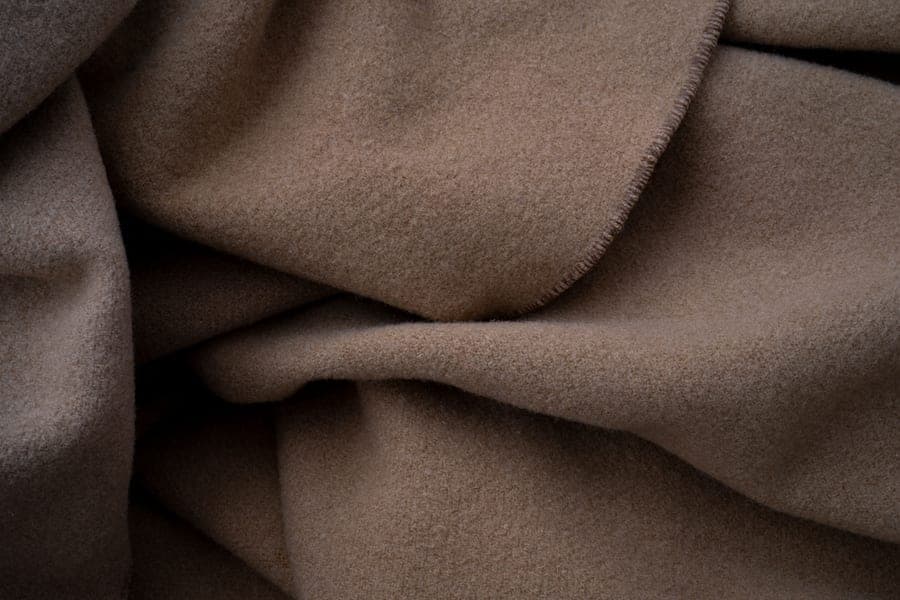
Safe ferret bedding is fleece — which does not fray into loops — plus paper-based litter in a tray. Avoid looped towelling and knitted fabrics, because claws catch in loops; avoid anything with loose stuffing, because a ferret will open it and eat the filling; and avoid pine and cedar shavings, which a fabric setup makes unnecessary anyway.
Ferret bedding safety is a different subject from hamster or guinea pig bedding safety, because the material is different. Where the risk with loose substrate is chemical and respiratory, the risk with fabric is mechanical: things that catch, and things that get swallowed.
Safe
| Material | Use it for | Watch for |
|---|---|---|
| Fleece | Liners, hammocks, sleep sacks | Nothing much; it does not fray into loops, which is why it is the standard |
| Quilted cotton with bound edges | Liners | Frayed binding; re-hem or retire it |
| Old t-shirts and jersey | Sleep sacks and bedding | Holes, which become the same geometry problem as a cage bar |
| Paper-based litter | The corner tray | Nothing; change daily |
| Paper bedding | The corner tray | Gets kicked out of a shallow tray; use a high-backed one |
Avoid, and why
Looped towelling and knitted fabric
The most common avoidable ferret bedding injury. A ferret's claws catch in a loop, the animal pulls, and the loop tightens. On a toe that is a circulation problem; on a leg it is worse, because a struggling ferret tightens it further.
Terry towelling, loose knits and anything that has started to pull into threads all present this. Fleece is the standard specifically because it is a non-woven fabric that does not fray into loops when cut or worn. If you use anything else, check it weekly and retire it as soon as it starts to pull.
Anything with loose stuffing
A ferret will open a stuffed bed and eat the filling. Polyester wadding does not pass through and gut obstruction in a ferret is a surgical emergency. This rules out most soft pet beds sold for cats and dogs, and it is worth checking a ferret-branded product too — a stuffed pillow with a seam a ferret can get a claw into is the same risk.
Quilted liners with a bound-in absorbent layer are fine, because the layer is stitched through rather than loose. The distinction is whether there is anything inside that can come out in one piece.
Pine and cedar shavings
Pine and cedar shavings · recommendation
phenols in softwood shavings raise liver enzyme levels; in rodents, constant exposure to phenol-containing litters is reported to have reduced drug effectiveness by more than 40 percent
The phenol question applies to ferrets as it does to every species on this site, and the good news is that a fabric setup makes it moot: there is no reason for loose wood shavings to be in a ferret cage at all, because ferrets do not burrow. The mechanism, and the parts of the evidence that are weaker than commonly claimed, are in is pine bedding safe.
Clumping clay litter
Ferrets dig in litter, and ingested clumping clay clumps in the gut. Paper-based litter instead, in a high-backed corner tray so the digging does not empty it onto the pan.
Cedar-scented or fragranced anything
A ferret sleeps 12 to 18 hours a day in its bedding, per VCA. An added fragrance is a sustained exposure it cannot escape, and it also masks the smell that tells you the fabric needs washing — which is the actual signal you want. Wash unscented; see cleaning a small-pet enclosure.
The weekly fabric check
This takes about a minute and it is the whole of ferret bedding safety in practice.
- 1.Look for holes. A hole a ferret can get its head through is the same skull-test problem as a cage bar, and a ferret hanging in a hammock hole is a real injury.
- 2.Look for loose threads and pulls. Anything that has started to fray gets retired, not repaired.
- 3.Check seams on sacks and beds. A seam a claw can enter is the beginning of a stuffing problem.
- 4.Check the hammock clips and hooks. A hammock that falls with a sleeping ferret in it is a fall from height inside the cage.
- 5.Smell it. Ferret odor lives in fabric, so if the cage smells and the litter tray is clean, the fabric is the answer.
Washing
- Every two or three days for liners and hammocks, daily for litter trays.
- Unscented, non-biological detergent, and no fabric conditioner — conditioner coats fibers and reduces absorbency, which defeats a quilted liner.
- Hot enough to matter. A warm wash does not deal with the oils that carry ferret odor.
- Dry completely. Damp fabric in a cage is a mold and respiratory problem.
- Wash ferret fabric separately, because ferret hair and bedding residue in a machine transfers to everything else in it.
What we would use
A fitted fleece liner for the pans and paper bedding for the corner tray. Full assessments in ferret bedding and cage liners.
- Illustrative
Lining a Ferret Nation or Critter Nation pan
Nation Accessories Fleece Liner Set
Covers a full Nation level
The right answer to ferret bedding, because ferrets do not burrow and a washable liner removes the whole loose-substrate question at once.
Check price on AmazonWe do not print prices. #ad Disclosure
 Illustrative
The litter corner of a ferret cage
Small Pet Select Paper Bedding
Not applicable
A paper bedding for the one place a ferret cage needs loose material, which is the litter corner and nowhere else.
Check price on AmazonWe do not print prices. #ad Disclosure
- Illustrative
Availability and softness
carefresh Small Pet Bedding
Not applicable
The most widely stocked paper bedding, and a safe default whose only real weakness is that it compacts rather than holding an open tunnel.
Check price on AmazonWe do not print prices. #ad Disclosure
Questions people ask
What bedding is safe for ferrets?
Why is looped fabric dangerous for ferrets?
Can ferrets have stuffed beds?
Is pine or cedar bedding bad for ferrets?
How should I wash ferret bedding?
How often should I check ferret hammocks for damage?
Sources
- VCA Animal Hospitals — Ferrets, housing — Ferrets sleep 12-18 hours a day, which is why bedding exposure is sustained
- House Rabbit Society — The dangers of softwood shavings — The phenol mechanism that a fabric-based setup avoids
- Humane World for Animals — Guinea pig housing requirements — Cited for the cedar and pine recommendation across small pets