Ferrets
Ferret bedding and cage liners
Ferrets nest in fabric and toilet in corners, which makes the whole loose-substrate question disappear.
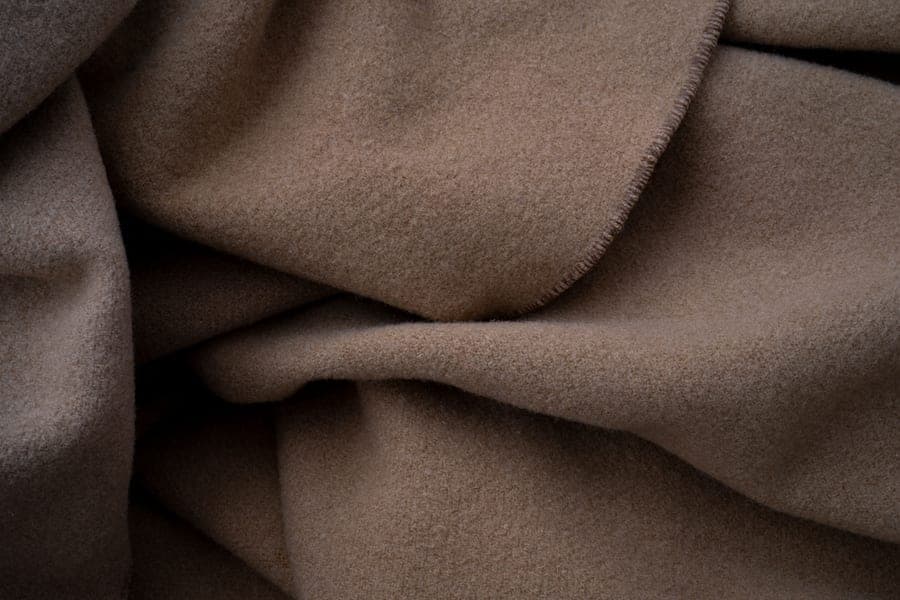
Use washable fleece liners on the cage levels and paper-based litter in a corner tray. Ferrets do not burrow, so the deep-substrate answer that dominates hamster housing does not apply; they nest in fabric and back into corners to toilet, which makes them easy to litter-train. Removing loose substrate also removes the softwood phenol question entirely, so this is a safety improvement rather than only a convenience.
Ferret bedding is the most straightforward of the four species on this site, because ferret behavior points at one answer. Understand two things about how a ferret uses a cage and the product decisions follow.
The two behaviors that decide this
Ferrets nest in fabric. Given the choice between a pile of shavings and a hammock, a ferret takes the hammock every time. There is no burrowing instinct to provide for, so loose substrate on a cage floor is not enrichment — it is something to be kicked out of the pan.
Ferrets back into corners to toilet. This is why they litter-train so readily and it concentrates almost all of the waste into one predictable place. Which in turn means the cage floor does not need to manage absorbency at all; the litter tray does.
Put those together and you get: washable fabric on the floors, absorbent litter in a corner. That is the whole system, and it is both cheaper to run and safer than a loose-substrate setup.
| # | Product | Best for | Score | Price |
|---|---|---|---|---|
| 1 | Illustrative Nation Accessories Fleece Liner SetCovers a full Nation level | Lining a Ferret Nation or Critter Nation pan | 8.8out of 10 | Check price on Amazon We do not print prices. #ad Disclosure |
| 2 |  Illustrative IllustrativeSmall Pet Select Paper BeddingNot applicable | The litter corner of a ferret cage | 8.2out of 10 | Check price on Amazon We do not print prices. #ad Disclosure |
| 3 | Illustrative carefresh Small Pet BeddingNot applicable | Availability and softness | 8.0out of 10 | Check price on Amazon We do not print prices. #ad Disclosure |
Scores are our own assessment of published specifications against the thresholds set out in how we assess products. They are not test results and not customer ratings. Tap a row to read the full assessment.
The two-product answer
A fitted fleece liner for the cage levels and paper litter for the corner tray. Nothing else is needed, and adding loose bedding to the levels makes the setup worse rather than better.
- Illustrative
Lining a Ferret Nation or Critter Nation pan
Nation Accessories Fleece Liner Set
Covers a full Nation level
The right answer to ferret bedding, because ferrets do not burrow and a washable liner removes the whole loose-substrate question at once.
Check price on AmazonWe do not print prices. #ad Disclosure
- Illustrative
The litter corner of a ferret cage
Small Pet Select Paper Bedding
Not applicable
A paper bedding for the one place a ferret cage needs loose material, which is the litter corner and nowhere else.
Check price on AmazonWe do not print prices. #ad Disclosure
Why fitted liners rather than folded towels
Any washable fabric beats loose shavings, and a liner cut to the pan beats a folded towel for one specific reason: ferrets dig at edges. A liner that does not fit leaves a corner for a ferret to work under, and a soiled pan under a rucked-up liner is exactly the mess the liner was supposed to prevent.
The MidWest Nation liners are cut to the 36 x 24 inch Nation pan footprint, which is what the Critter Nation and Ferret Nation both use. If your cage is a different size, the requirement is the same — cut to fit, not approximately.
| Fitted fleece liner | Loose paper or aspen | |
|---|---|---|
| Matches ferret nesting behavior | Yes | No |
| Stays where you put it | Yes, if cut to fit | No, it gets kicked out |
| Dust | None | Some, more with aspen |
| Softwood phenol question | Does not arise | Arises if you choose the wrong material |
| Running cost | Detergent | Bedding, ongoing |
| Handles a litter corner | No; you need a tray | Partly, and badly |
| Maintenance | Wash every 2-3 days | Spot-clean daily |
The litter corner
One high-backed corner tray per level, changed daily. Ferrets back up to toilet, so the back wall matters more than the floor area of the tray — a flat tray gets used and then missed.
Use paper-based litter or paper bedding rather than clumping clay, which is dangerous if ingested, or wood pellets, which bring the softwood question back into a setup that had eliminated it. Change it daily: a ferret that finds its tray unpleasant chooses a corner of the cage instead, and undoing that habit is much harder than preventing it.
Hammocks and sleep sacks, which are the actual bedding
VCA notes that ferrets sleep 12 to 18 hours a day, and where they do it is a hammock or an enclosed sack rather than the cage floor. So the fabric that matters most in a ferret cage is not the liner — it is the thing hanging above it.
- Two or three sleeping options per ferret, at different heights. Ferrets are particular and they change their minds.
- Enclosed sacks as well as open hammocks. Most ferrets prefer something they can get inside.
- Check for loose threads and holes weekly. A ferret's claws catch in a frayed hammock, and a hole a ferret can get a head through is the same geometry problem as a cage bar.
- Wash on a rotation. Two sets means one is always clean, and the distinctive ferret smell lives in the fabric rather than in the waste.
What not to use
- Pine or cedar shavings. The phenol question, which a fleece setup avoids entirely. Is pine bedding safe.
- Clumping clay cat litter. Ingested clay clumps in the gut, and ferrets dig in litter.
- Towelling with loops. Claws catch in loops. Fleece does not fray into loops, which is most of why it is the standard.
- Anything with loose stuffing. A ferret will open it and eat the filling.
- Corn cob litter. Molds readily and offers nothing over paper.
The assessments
Our pick · Lining a Ferret Nation or Critter Nation pan
Nation Accessories Fleece Liner Set
The right answer to ferret bedding, because ferrets do not burrow and a washable liner removes the whole loose-substrate question at once.
- Dimensions
- Cut to the 36 x 24 in Nation pan footprint
- Continuous floor
- Covers a full Nation level
- Bar spacing
- Not applicable
- Material
- Fleece with a quilted absorbent layer
- Fit
- Made for the Ferret Nation and Critter Nation pans specifically
What it gets right
- Cut to the pan, so no folds for a ferret to dig under and soil
- Removes any softwood or dust question entirely
- Ferrets nest in fabric by preference, so this is what they would choose
What it gets wrong
- Needs washing every two or three days
- Ferrets that dig will still work a corner loose
- Does not absorb a full litter tray's worth; you still need a litter corner
Who should buy something else
Not a litter substitute. Ferrets back into corners to toilet, so you need a litter pan as well, and a liner that is doing both jobs is a liner you are washing daily.
Specifications read from MidWest Nation Accessories listing on 27 September 2026. Floor-area arithmetic is ours and is shown above so you can redo it.
Illustrative- Dust10
- Absorbency7
- Fit10
- Behavioral provision9
- Convenience6
We do not print prices. #ad Disclosure
Number 2 · The litter corner of a ferret cage
Small Pet Select Paper Bedding
A paper bedding for the one place a ferret cage needs loose material, which is the litter corner and nowhere else.
- Dimensions
- Large-volume boxes
- Continuous floor
- Not applicable
- Bar spacing
- Not applicable
- Material
- Unbleached paper fiber
- Use case
- Litter-corner and tray bedding rather than a whole-cage substrate
What it gets right
- Paper, unbleached, no softwood phenols
- Absorbs well in a concentrated corner
- Large boxes, so a weekly change is not an event
What it gets wrong
- Ferrets kick loose bedding out of a tray, so expect it on the pan
- Not a cage-wide substrate for an animal that does not burrow
Who should buy something else
Not for lining a whole ferret level. Use a fleece liner for that and keep this for the tray.
Specifications read from Manufacturer listing on 27 September 2026. Floor-area arithmetic is ours and is shown above so you can redo it.
Illustrative- Material safety10
- Dust8
- Absorbency9
- Containment6
- Value8
We do not print prices. #ad Disclosure
Number 3 · Availability and softness
carefresh Small Pet Bedding
The most widely stocked paper bedding, and a safe default whose only real weakness is that it compacts rather than holding an open tunnel.
- Dimensions
- Sold in compressed packs from 14 L to 60 L expanded
- Continuous floor
- Not applicable
- Bar spacing
- Not applicable
- Material
- Reclaimed paper fiber
- Handling
- Soft, short fiber that packs down more than kraft paper
What it gets right
- Paper fiber, so the softwood phenol question does not arise
- Stocked almost everywhere, which matters when you need a bag today
- Very soft, and good in nest boxes
What it gets wrong
- Compacts under its own weight, so deep burrows collapse more readily
- Short fiber means more dust in the bag than kraft-paper products
- Smaller pack sizes make a 10 in fill expensive
Who should buy something else
Not the choice if deep burrowing is the point of your setup. Use it in the nest and a kraft-paper or aspen substrate for the depth.
Specifications read from Manufacturer listing on 27 September 2026. Floor-area arithmetic is ours and is shown above so you can redo it.
Illustrative- Material safety10
- Dust7
- Burrow stability6
- Volume per pack7
- Value per liter8
We do not print prices. #ad Disclosure
The honest summary: ferret bedding is the one place in small-pet keeping where the best answer is also the cheapest to run and the safest, because the animal's behavior lines up with a washable solution. Fleece on the floors, paper in the tray, hammocks above, and two sets of everything so one is always in the wash.
Questions people ask
What bedding is best for ferrets?
Do ferrets need loose bedding in their cage?
What litter should I use in a ferret cage?
How often should ferret bedding be washed?
Why does my ferret cage smell even though it is clean?
Are fleece liners better than towels for ferrets?
Sources
- VCA Animal Hospitals — Ferrets, housing — Ferrets sleep 12-18 hours a day; housing and bedding context
- House Rabbit Society — The dangers of softwood shavings — The phenol question a fleece setup avoids
- MidWest Nation Accessories — Liners and accessories cut for the Nation pan footprint