Hamsters
The best hamster bedding for a burrow that holds
Five substrates assessed on the thing that actually matters: whether ten inches of it will hold a tunnel open.
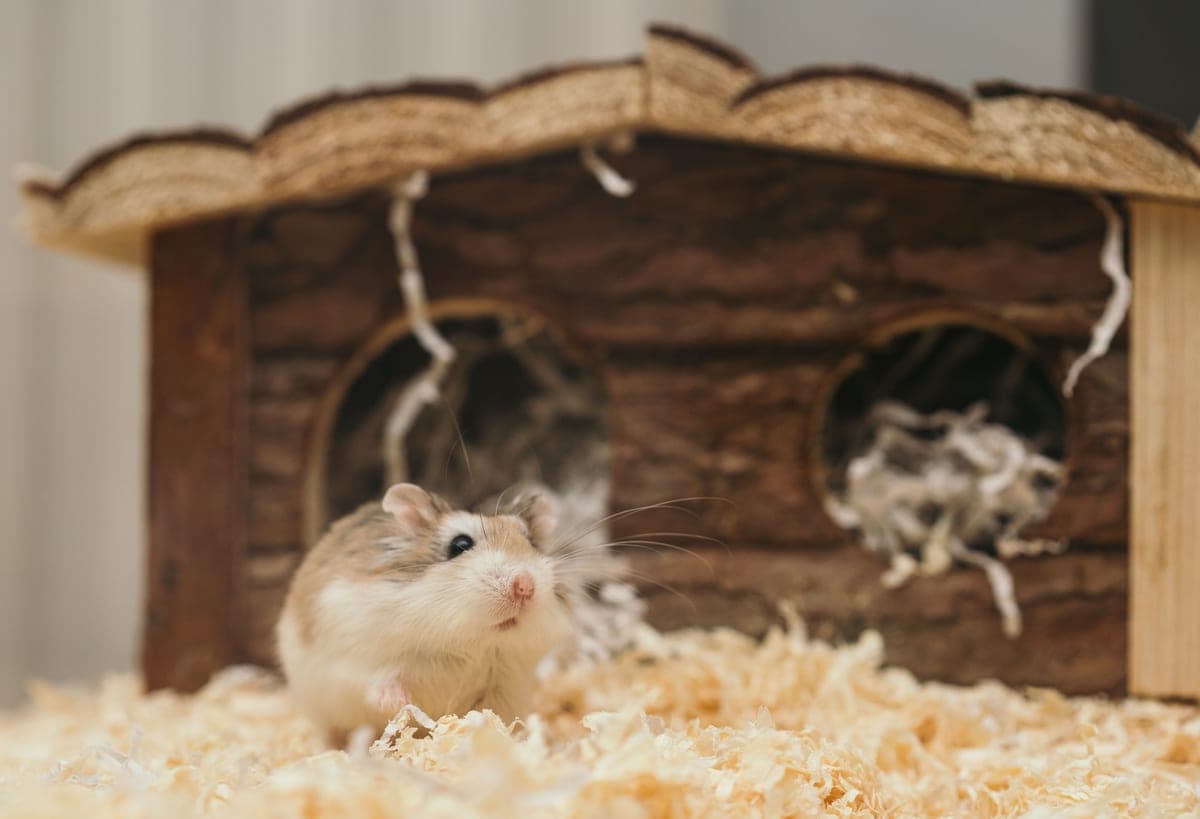
For a hamster, use kraft-paper bedding or aspen shavings, at a depth of at least ten inches. Kaytee Clean & Cozy is our pick because it is paper, dust-controlled, and sold in an 85-liter pack large enough to fill a big enclosure without buying four bags. Aspen holds a tunnel better and costs less; the trade-off is dust. Pine and cedar are excluded, and the published evidence for that is below.
Hamster bedding depth · minimum
at least 25cm (10 inches)
Bedding is the one part of a hamster setup where the right answer is genuinely cheap, and the one part people most often get wrong by buying too little of the right thing. A 14-liter bag of excellent paper bedding in a 1,000 square inch enclosure gives you about an inch and a half of depth, which is not bedding. It is a dusting.
The criteria
- 1.Material safety. Paper and aspen only. Pine and cedar are excluded on published evidence, covered below and in full on is pine bedding safe for hamsters.
- 2.Whether a tunnel holds. The point of ten inches of substrate is a burrow structure, and substrates differ enormously here. Coarse, interlocking material holds a tunnel; fine, compressible material collapses into it.
- 3.Dust. Judged by what comes off the product when handled. A hamster spends its life with its face in this material.
- 4.Volume per pack. Because ten inches across a compliant enclosure is a lot of liters, and a substrate sold only in small bags is expensive at the depth you actually need.
- 5.Absorbency, last, because a well-managed latrine corner matters more than whole-substrate absorbency.
| # | Product | Best for | Score | Price |
|---|---|---|---|---|
| 1 | 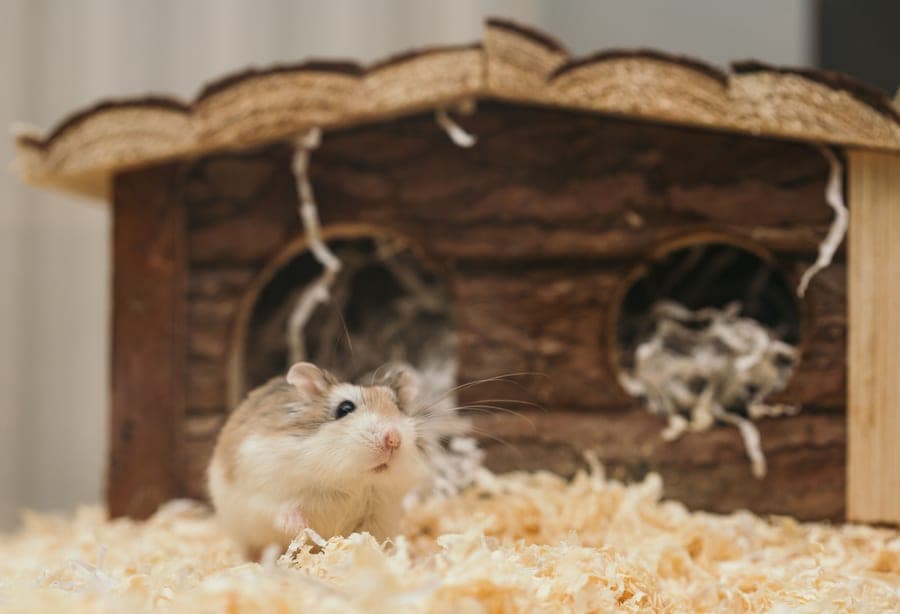 Illustrative IllustrativeKaytee Clean & Cozy White Paper BeddingOne 85 L bag fills roughly 10 in deep over a 500 sq in footprint | Reaching a 10 in burrow depth without buying six bags | 9.0out of 10 | Check price on Amazon We do not print prices. #ad Disclosure |
| 2 | 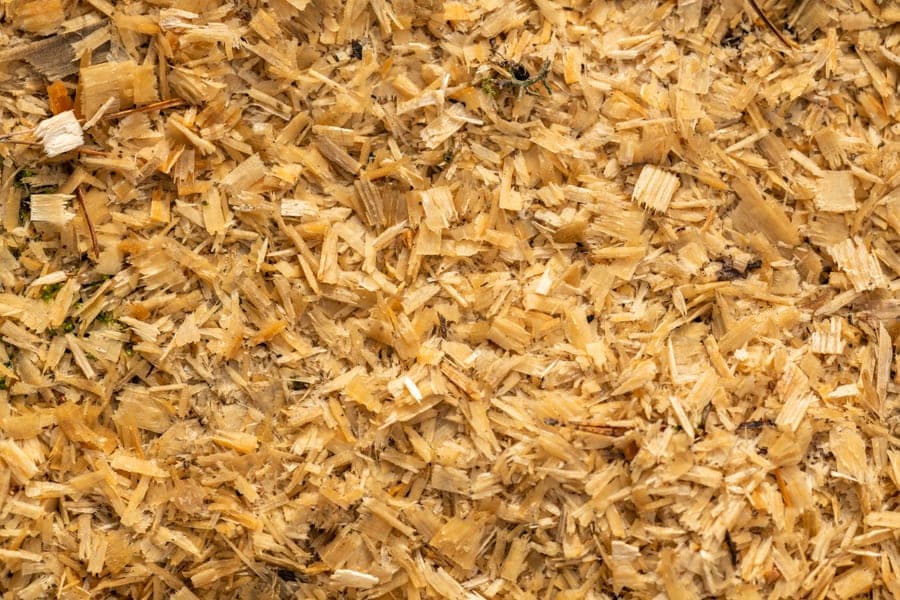 Illustrative IllustrativeSmall Pet Select Aspen BeddingNot applicable | Aspen without the dust | 8.7out of 10 | Check price on Amazon We do not print prices. #ad Disclosure |
| 3 | Illustrative Kaytee Aspen Small Animal BeddingNot applicable | Deep burrowing on a budget | 8.3out of 10 | Check price on Amazon We do not print prices. #ad Disclosure |
| 4 | Illustrative carefresh Small Pet BeddingNot applicable | Availability and softness | 8.0out of 10 | Check price on Amazon We do not print prices. #ad Disclosure |
| 5 | Illustrative Oxbow Pure Comfort BeddingNot applicable | The toilet corner of a deep-bedded enclosure | 8.1out of 10 | Check price on Amazon We do not print prices. #ad Disclosure |
Scores are our own assessment of published specifications against the thresholds set out in how we assess products. They are not test results and not customer ratings. Tap a row to read the full assessment.
The three we would actually buy
Paper for cleanliness, screened aspen for tunnel structure without the dust, standard aspen for the best depth per dollar. Full assessments of all five below.
- Illustrative
Reaching a 10 in burrow depth without buying six bags
Kaytee Clean & Cozy White Paper Bedding
One 85 L bag fills roughly 10 in deep over a 500 sq in footprint
Paper, dust-controlled and sold in a volume large enough to actually reach 10 in of depth, which is the spec that matters and the one most bedding bags fail on.
Check price on AmazonWe do not print prices. #ad Disclosure
- Illustrative
Aspen without the dust
Small Pet Select Aspen Bedding
Not applicable
Aspen with the dust problem largely solved, which is the one reason to pay more than the supermarket bale costs.
Check price on AmazonWe do not print prices. #ad Disclosure
- Illustrative
Deep burrowing on a budget
Kaytee Aspen Small Animal Bedding
Not applicable
The cheapest substrate we are willing to recommend, and the best tunnel-holder of the three, at the cost of visible dust in the bag.
Check price on AmazonWe do not print prices. #ad Disclosure
How much you actually need
This calculation is the single most useful thing on this page, because almost nobody does it before their first order.
| Enclosure floor | Volume at 10in deep | In 85L bags |
|---|---|---|
| 480 sq in (Prevue 528) | about 79 liters | 1 bag |
| 620 sq in (Savic Metro) | about 102 liters | 1.2 bags |
| 775 sq in (the minimum) | about 127 liters | 1.5 bags |
| 1,069 sq in (Vista Large) | about 175 liters | 2.1 bags |
| 1,109 sq in (BUCATSTATE 47in) | about 182 liters | 2.2 bags |
Our arithmetic: square inches x 10 inches of depth, converted to liters. Bedding settles, so treat these as the floor rather than the exact order quantity.
Two bags of 85-liter paper bedding to fill one enclosure once is a cost people do not expect, and it is the main practical reason we weight volume per pack so heavily. It is also the strongest argument for aspen: at the depth PDSA asks for, the price per liter stops being a rounding error.
Why pine and cedar are not on this list
Pine and cedar shavings · recommendation
phenols in softwood shavings raise liver enzyme levels; in rodents, constant exposure to phenol-containing litters is reported to have reduced drug effectiveness by more than 40 percent
The mechanism is phenols: volatile compounds in softwood that the animal absorbs, prompting the liver to produce more of certain enzymes. Those same enzymes metabolize drugs, which is why the House Rabbit Society's veterinary-authored account names specific affected anaesthetics and painkillers, and reports that in rodents constant exposure to phenol-containing litters reduced drug effectiveness by more than forty percent.
Humane World for Animals states in its guinea pig housing guidance that cedar and pine shavings are not recommended because of chemicals they both contain. Between a documented mechanism and a welfare body's flat recommendation, there is no reason to use softwood when aspen — a hardwood with no phenol issue — costs the same and holds a tunnel better.
We will say what is not established, because that matters too: the cancer claim attached to softwood bedding is described by the same source as at best only suggestive, and we are not going to inflate it. The case against pine rests on the enzyme and drug-metabolism evidence, which is sufficient on its own. The kiln-dried question — whether heat treatment removes enough of the phenols to matter — is genuinely unsettled and is covered properly in is pine bedding safe for hamsters.
The assessments
Our pick · Reaching a 10 in burrow depth without buying six bags
Kaytee Clean & Cozy White Paper Bedding
Paper, dust-controlled and sold in a volume large enough to actually reach 10 in of depth, which is the spec that matters and the one most bedding bags fail on.
- Dimensions
- Sold in sizes up to 85 liters (5,184 cu in) expanded
- Continuous floor
- One 85 L bag fills roughly 10 in deep over a 500 sq in footprint
- Bar spacing
- Not applicable
- Material
- Virgin kraft paper; manufacturer states 99 percent dust-free
- Absorbency
- Manufacturer states it absorbs up to six times its weight
What it gets right
- Paper, so none of the softwood phenol question applies
- 99 percent dust-free by the manufacturer's own claim
- 85 L pack is one of the few that fills a large enclosure in a single bag
- Holds a burrow shape well once slightly damped
What it gets wrong
- Paper is more expensive per liter than aspen
- The white version shows soiling immediately, which some owners dislike
- Scented variants exist in the range and we would avoid all of them
Who should buy something else
Not for anyone who wants the cheapest possible substrate by volume. Aspen costs less; the trade-off is dust and a less stable tunnel structure.
Specifications read from Kaytee product listing on 27 September 2026. Floor-area arithmetic is ours and is shown above so you can redo it.
Illustrative- Material safety10
- Dust9
- Burrow stability9
- Volume per pack9
- Value per liter7
We do not print prices. #ad Disclosure
Number 2 · Aspen without the dust
Small Pet Select Aspen Bedding
Aspen with the dust problem largely solved, which is the one reason to pay more than the supermarket bale costs.
- Dimensions
- Sold in large-volume boxes
- Continuous floor
- Not applicable
- Bar spacing
- Not applicable
- Material
- Kiln-dried aspen, screened for dust
- Dust handling
- Screened product; noticeably cleaner in the bag than budget aspen
What it gets right
- Screened, so appreciably less dust than standard aspen bales
- Same hardwood safety position and the same good tunnel structure
- Large boxes suit a deep fill
What it gets wrong
- Costs more per liter than standard aspen
- Less widely stocked in physical stores
Who should buy something else
Not worth the premium if the enclosure lives in a garage or utility room where a little dust is irrelevant.
Specifications read from Manufacturer listing on 27 September 2026. Floor-area arithmetic is ours and is shown above so you can redo it.
Illustrative- Material safety9
- Dust8
- Burrow stability10
- Volume per pack9
- Value per liter7
We do not print prices. #ad Disclosure
Number 3 · Deep burrowing on a budget
Kaytee Aspen Small Animal Bedding
The cheapest substrate we are willing to recommend, and the best tunnel-holder of the three, at the cost of visible dust in the bag.
- Dimensions
- Sold in compressed bales, commonly 8 L to 52.4 L expanded
- Continuous floor
- Not applicable
- Bar spacing
- Not applicable
- Material
- Aspen, a hardwood, so no softwood phenols
- Burrow behavior
- Coarse shavings interlock and hold tunnel walls well
What it gets right
- Aspen is a hardwood, so the phenol issue that rules out pine and cedar does not apply
- Coarse shavings interlock, so a 10 in burrow holds its shape
- Much cheaper per liter than paper
What it gets wrong
- Noticeably dusty; sift or shake it out before it goes in
- Absorbs less than paper, so spot-cleaning is more frequent
- Bale sizes vary between retailers, so plan the fill volume before you buy
Who should buy something else
Avoid if anyone in the household reacts to wood dust, or if the enclosure sits in a bedroom where you would notice it.
Specifications read from Manufacturer listing on 27 September 2026. Floor-area arithmetic is ours and is shown above so you can redo it.
Illustrative- Material safety9
- Dust5
- Burrow stability10
- Volume per pack8
- Value per liter10
We do not print prices. #ad Disclosure
Number 4 · Availability and softness
carefresh Small Pet Bedding
The most widely stocked paper bedding, and a safe default whose only real weakness is that it compacts rather than holding an open tunnel.
- Dimensions
- Sold in compressed packs from 14 L to 60 L expanded
- Continuous floor
- Not applicable
- Bar spacing
- Not applicable
- Material
- Reclaimed paper fiber
- Handling
- Soft, short fiber that packs down more than kraft paper
What it gets right
- Paper fiber, so the softwood phenol question does not arise
- Stocked almost everywhere, which matters when you need a bag today
- Very soft, and good in nest boxes
What it gets wrong
- Compacts under its own weight, so deep burrows collapse more readily
- Short fiber means more dust in the bag than kraft-paper products
- Smaller pack sizes make a 10 in fill expensive
Who should buy something else
Not the choice if deep burrowing is the point of your setup. Use it in the nest and a kraft-paper or aspen substrate for the depth.
Specifications read from Manufacturer listing on 27 September 2026. Floor-area arithmetic is ours and is shown above so you can redo it.
Illustrative- Material safety10
- Dust7
- Burrow stability6
- Volume per pack7
- Value per liter8
We do not print prices. #ad Disclosure
Number 5 · The toilet corner of a deep-bedded enclosure
Oxbow Pure Comfort Bedding
A paper bedding with better odor behavior than most, which matters in the one corner of the enclosure that always needs it.
- Dimensions
- Sold in compressed packs up to 72 L expanded
- Continuous floor
- Not applicable
- Bar spacing
- Not applicable
- Material
- Paper fiber, unbleached options available
- Odor handling
- Marketed on odor control; performs well in a urine corner
What it gets right
- Paper, so no softwood question
- Handles a concentrated urine corner better than aspen
- Unbleached versions avoid the optical brighteners in white paper beddings
What it gets wrong
- Premium price per liter
- Compacts more than kraft paper, so it is not the best deep-burrow substrate
Who should buy something else
Not the whole-enclosure substrate at this price. Buy it for the wet corner and something cheaper for the other nine inches.
Specifications read from Manufacturer listing on 27 September 2026. Floor-area arithmetic is ours and is shown above so you can redo it.
Illustrative- Material safety10
- Dust8
- Burrow stability6
- Volume per pack8
- Value per liter6
We do not print prices. #ad Disclosure
Layering, which beats choosing
The setups that work best do not pick one substrate. They layer, because the requirements at the bottom and the top of ten inches are different.
- Bottom six to seven inches: aspen, or aspen mixed with paper. This is the structural layer and it needs to hold a tunnel wall. Cheap, and it is doing the mechanical work.
- Top three to four inches: kraft paper. This is where the hamster starts its digging and where you see the state of things. Cleaner, softer, easier to spot-check.
- Latrine corner: a more absorbent paper, changed every two or three days. This is the only part of the enclosure that needs frequent attention and the only place a premium bedding earns its price.
- Nest material: plain white toilet paper or unscented paper bedding, offered loose so the animal builds the nest itself. Never cotton wool or fibrous nesting fluff, which tangles around limbs.
Slightly damping the structural layer before you pack it helps a tunnel hold — enough to clump when squeezed, nowhere near wet. Dry substrate collapses, sodden substrate molds, and the window between them is wider than it sounds.
One thing not to add: soil. It comes up often, and while a soil-and-substrate mix does hold tunnels beautifully, garden soil brings in mites and pathogens and bagged compost usually contains fertilizer. If you want the structure, damp aspen achieves most of it with none of the risk.
Questions people ask
What bedding is safe for hamsters?
Is aspen or paper bedding better for hamsters?
How deep should hamster bedding be?
How much bedding do I need for a hamster cage?
Is pine bedding safe for hamsters?
Can I put soil in a hamster cage?
Sources
- PDSA — The ideal home for your hamster — Bedding at least 25cm (10in)
- San Diego Humane Society — Hamster care — At least 6in of bedding, 8-12in best for burrowing
- House Rabbit Society — The dangers of softwood shavings — Phenols, liver enzyme induction, named affected drugs, and the statement that cancer evidence is only suggestive
- Humane World for Animals — Guinea pig housing requirements — Cedar and pine not recommended
- Kaytee — Clean & Cozy White — Virgin kraft paper, 99 percent dust-free, pack sizes to 85 liters