Hamsters
Deep bedding: ten inches, and how to get there
The published figure is 25cm. Here is what that costs in liters, and the trick that makes a tunnel hold its shape.
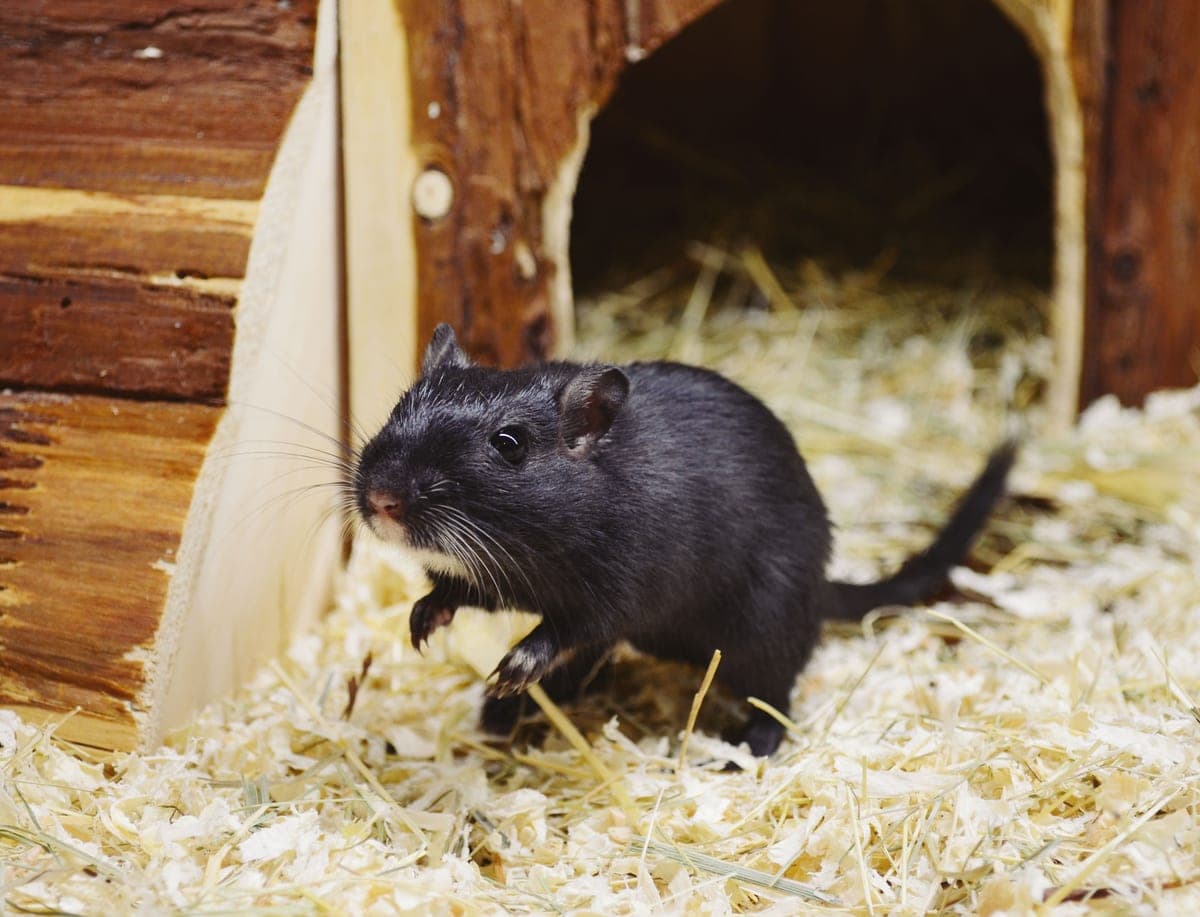
PDSA publishes at least 25cm — ten inches — of bedding for a hamster, and the San Diego Humane Society publishes at least six inches with eight to twelve best. Ten inches over a 775 square inch floor is about 127 liters of substrate, which is one and a half 85-liter bags. The enclosure has to have solid walls to at least that height, which is why most wire cages cannot do it at all.
Hamster bedding depth · minimum
at least 25cm (10 inches)
Hamster bedding depth · minimum
at least 6 inches, with 8-12 inches best for burrowing
Deep bedding is the single change that most improves a hamster's environment per pound spent, and it is the one most often skipped, for a reason that is not about willingness: most cages physically cannot hold it. A wire cage with a four-inch plastic base caps you at four inches whatever the wire above it does, because substrate spills through bars.
Why depth rather than just area
A hamster's natural behavior is burrowing, and a burrow is a structure with separate chambers: a nest, a food store, a latrine, connecting tunnels. Given ten inches, a hamster builds that. Given two, it cannot, and the behavior has nowhere to go.
This is why we say floor area and bedding depth are the same requirement in different units. Ten inches of substrate in a 480 square inch base is not a burrow system — it is a deep box in which the animal can dig one hole. A tunnel needs to run horizontally as well as down, and horizontal run needs floor. The two figures select for the same thing, and our cage size guide covers the other half of it.
How much substrate that is
| Enclosure floor | Volume at 10in | In 85L bags |
|---|---|---|
| 480 sq in (Prevue 528 base) | about 79 liters | 1 |
| 620 sq in (Savic Metro) | about 102 liters | 1.2 |
| 775 sq in (the minimum) | about 127 liters | 1.5 |
| 924 sq in (Vista Medium) | about 151 liters | 1.8 |
| 1,069 sq in (Vista Large) | about 175 liters | 2.1 |
| 1,086 sq in (DETOLF) | about 178 liters | 2.1 |
| 1,109 sq in (BUCATSTATE 47in) | about 182 liters | 2.2 |
Our arithmetic: floor area in square inches multiplied by ten inches of depth, converted to liters. Substrate settles by roughly ten percent, so treat these as the floor rather than the exact order.
Two 85-liter bags to fill one enclosure once is a cost most people do not expect, and it is the main reason we weight pack size so heavily in best hamster bedding. It is also why aspen matters: at these volumes the price per liter stops being a rounding error.
Making a tunnel hold
Dry substrate collapses. The single technique that changes deep bedding from a pile into a structure is light damping.
- 1.Mix the structural layer in a separate container — a bucket or the empty bag — rather than trying to damp it in place.
- 2.Add water a little at a time and mix. The target is substrate that clumps when squeezed and falls apart when you open your hand. Nowhere near wet.
- 3.Pack it in layers, pressing each down lightly, rather than tipping the whole lot in.
- 4.Leave the top three or four inches dry, in paper. The hamster starts digging here and dry material is easier for it to work.
- 5.Let it stand for a few hours before the animal goes in, so any excess moisture distributes.
Too dry and the tunnel collapses behind the animal. Too wet and you get mold, which is a worse problem than the one you were solving. The window between them is wider than that sounds — if it smells of nothing and feels barely cool to the touch, it is right.
Layering, which is the setup that works
- Bottom six to seven inches: aspen, lightly damped. The structural layer, doing the mechanical work, at the lowest cost per liter.
- Top three to four inches: dry kraft paper. Where the animal digs in and where you can see the state of things.
- Latrine corner: absorbent paper, changed every two or three days. The only part that needs frequent attention.
- Nest: plain loose toilet paper, never fibrous nesting fluff — see safe and unsafe hamster bedding.
What deep bedding needs from the enclosure
Solid walls to at least ten inches. That is the whole requirement and it is why the enclosures that clear the floor-area minimum are also the ones that can hold this: the two specifications select for the same design.
| Format | Realistic bedding depth | Why |
|---|---|---|
| Wire cage, 4in base | 4in | Substrate spills through the bars above the base |
| Wire cage, 6.25in base (Prevue 528) | about 6in | Deepest base in its class, still short of 10in |
| Glass tank | Full height | Solid walls throughout; the format's strongest point |
| Acrylic enclosure | Up to the stated capacity, 11in on the BUCATSTATE 47in | Solid panels to full height |
| MDF enclosure with glass front | about 10in | Limited by the glass panel height |
| Converted storage tub | Full height of the tub | Solid walls; often the deepest option available cheaply |
| Converted DETOLF | about 10in | 14.6in of internal height, minus wheel clearance |
If your cage cannot hold ten inches, add as much as it will hold and treat that as a genuine improvement rather than a failure. Six inches beats two by a wide margin. And the cheapest route to full depth is a converted storage tub, which usually has more usable wall height than any purpose-built enclosure at the same price.
What a deep setup needs
Aspen for the structural layer, kraft paper for the top, and the one enclosure whose manufacturer states a bedding capacity above the published figure.
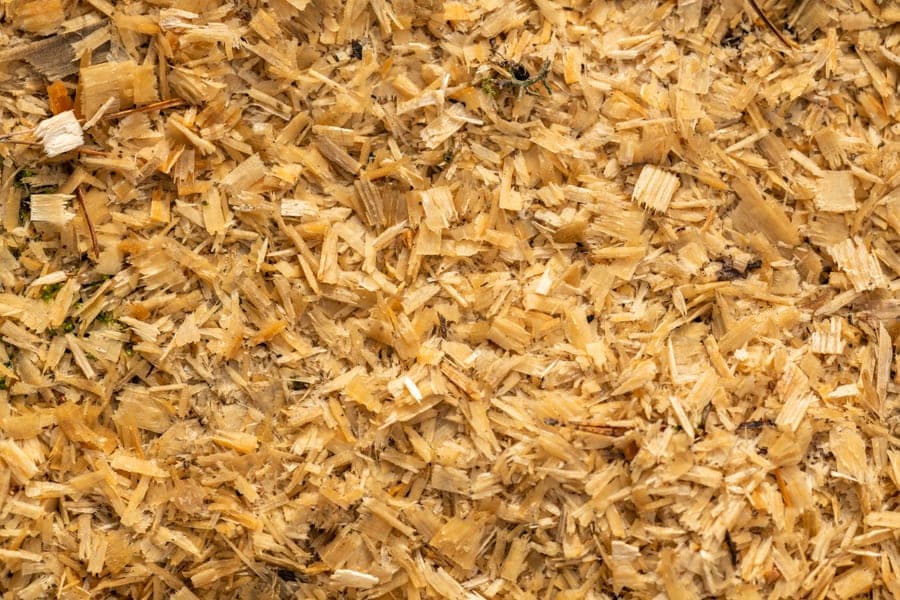 Illustrative
Deep burrowing on a budget
Kaytee Aspen Small Animal Bedding
Not applicable
The cheapest substrate we are willing to recommend, and the best tunnel-holder of the three, at the cost of visible dust in the bag.
Check price on AmazonWe do not print prices. #ad Disclosure
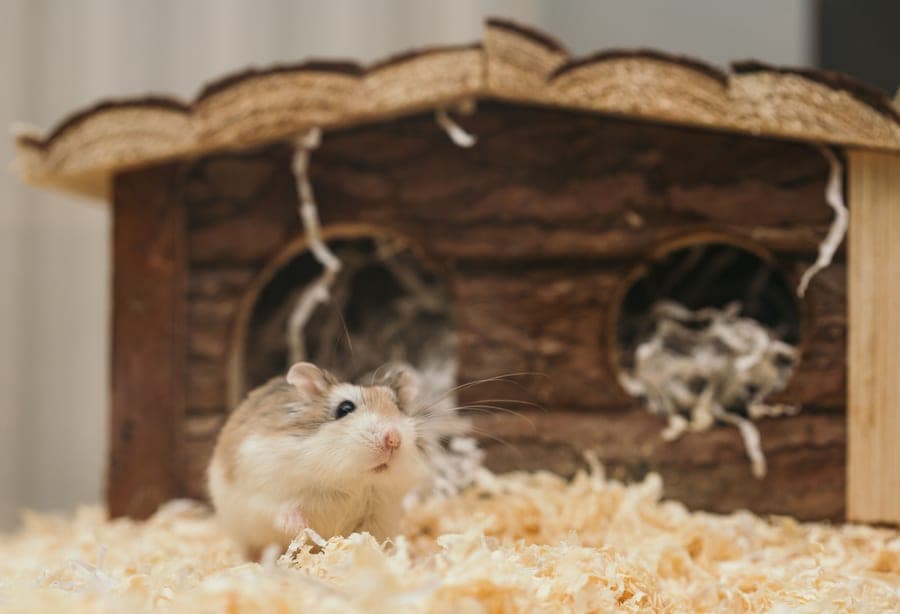 Illustrative
Reaching a 10 in burrow depth without buying six bags
Kaytee Clean & Cozy White Paper Bedding
One 85 L bag fills roughly 10 in deep over a 500 sq in footprint
Paper, dust-controlled and sold in a volume large enough to actually reach 10 in of depth, which is the spec that matters and the one most bedding bags fail on.
Check price on AmazonWe do not print prices. #ad Disclosure
 Illustrative
Deep burrowing without a DIY build
BUCATSTATE Hamster Cage 3.0, 47 in
47 x 23.6 = 1,109 sq in (7.7 sq ft) by our arithmetic
The deepest substrate capacity we could verify on a mainstream enclosure: an 11 in bedding claim on a 1,109 sq in floor is the combination almost nothing else offers.
Check price on AmazonWe do not print prices. #ad Disclosure
Questions people ask
How deep should a hamster's bedding be?
How much bedding do I need for ten inches of depth?
Do hamsters need deep bedding?
How do I stop hamster tunnels from collapsing?
Is deep bedding harder to clean?
Can I put deep bedding in a wire cage?
Sources
- PDSA — The ideal home for your hamster — Bedding at least 25cm (10 inches)
- San Diego Humane Society — Hamster care — At least 6 inches, with 8-12 inches best for burrowing
- BUCATSTATE 3.0 47in product listing — Stated bedding capacity of up to 11 inches