Guides
The best small pets, compared on what they need
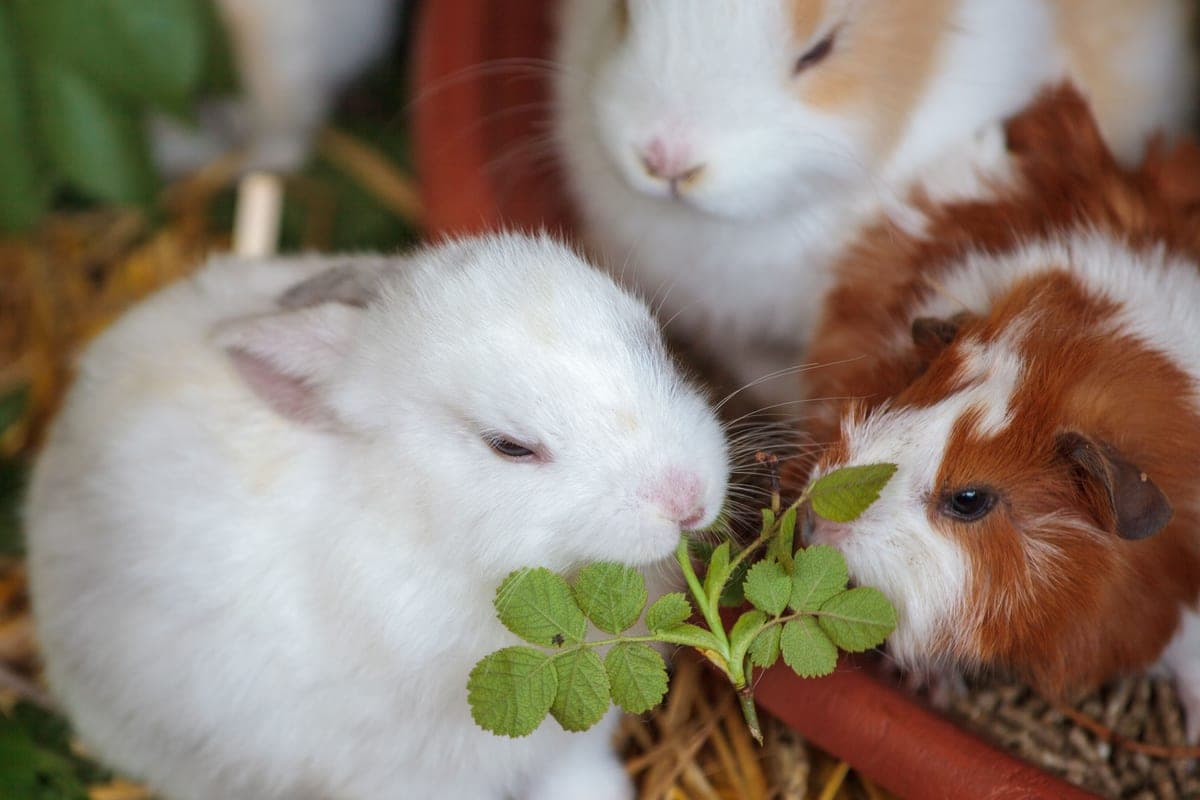
Four species compared on published space minimums, housing cost, lifespan and daily time. Housing first.
Section
Most species guides compare temperament. This one compares floor space, housing cost and how many years you are committing to.

Almost every guide to choosing a small pet compares temperament: which is friendlier, which is easier to handle, which is more active in the evening. Those are real considerations and they are the wrong place to start, because temperament is a preference and housing is a constraint. A species you love that needs 64 square feet you do not have is not a good match, and no amount of enthusiasm changes the arithmetic.
So this section starts from the enclosure. For each species: the published floor-area minimum, what housing that actually costs to buy, how long the animal lives, and how much daily time it takes. Those four numbers eliminate most options for most households before temperament comes into it, which saves everyone — including the animal — a great deal of trouble.
| Species | Published floor minimum | Issuing body | Typical lifespan |
|---|---|---|---|
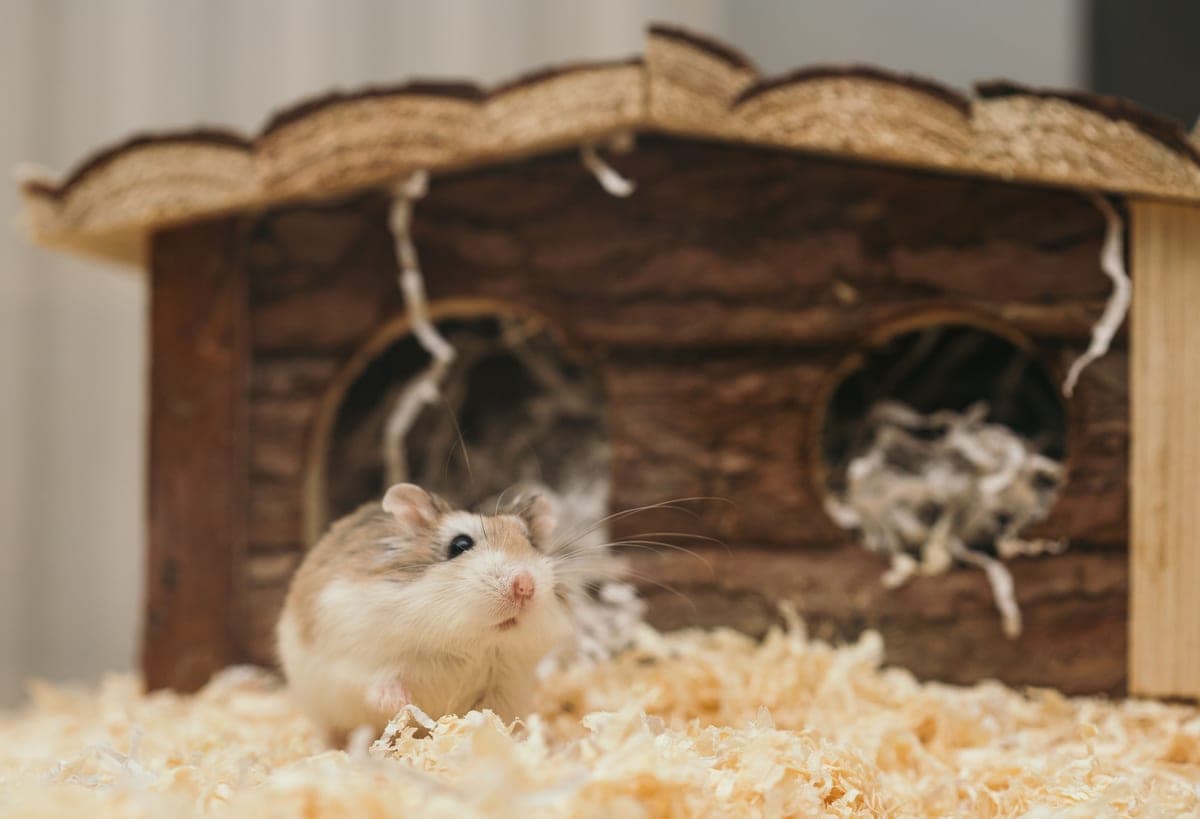
| Hamster (one) | 775 sq in (5.4 sq ft) | PDSA | 2 to 3 years |
| Guinea pigs (a pair) | 10.5 sq ft preferred, 7.5 minimum | Humane World for Animals | 5 to 7 years |
| Ferret | 6 sq ft per level on our threshold; VCA suggests 4 sq ft | VCA / our own | 6 to 10 years |
| Rabbits (a pair) | 64.5 sq ft in one block | RWAF and the RSPCA | 8 to 12 years |
Floor-area figures are cited and linked on each species' own page. Lifespan ranges are widely published husbandry figures rather than a single sourced statistic, and are given as an order of magnitude for planning.
The striking thing in that table is that the space requirement and the lifespan run together. The species needing the least floor lives the shortest time; the species needing an eight-foot square is a commitment of up to a decade. Which means the honest first question is not which animal you like, but which combination of space and years your household can hold.
We are going to be direct about this, because guides in this category tend not to be and the cost of that vagueness is animals rehomed at six months.
None of those is a reason nobody should keep these species. They are reasons to match the species to the household rather than the other way round, which is what best small pets and best small pets for beginners work through in detail.
We do not publish prices on this site, for reasons set out in how we assess products, so what follows is about relative cost rather than figures. The pattern is consistent across species: the enclosure that clears a published minimum costs several times the enclosure sold on the shelf next to the animal, and it is the single largest purchase you will make.
The good news is that floor area is the cheapest specification to satisfy if you are willing to assemble rather than buy. A converted storage tub clears the hamster minimum for less than a pet-store starter cage. Four joined exercise pens clear the rabbit minimum for less per square foot than any hutch. A modular C&C cage clears the guinea pig preferred figure for less than a purpose-built habitat of smaller area. In every case the premium product is buying convenience and finish, not space.
If space is what limits you, best small pets for apartments works through what fits in a flat, honestly — which mostly means one species rather than four. If you are choosing for a child, best small pets for kids is explicit about the nocturnal problem and about who actually ends up doing the cleaning. And if someone else has just acquired the animal and you are buying for them, gifts for a new small-pet owner covers what genuinely helps rather than what fills a box.
One last framing, because it is what this whole site is for. The question is not whether you can house an animal at the published minimum. It is whether you can do that and then keep doing it for the species' whole life, including the years when the novelty has gone. The species whose minimum you can clear comfortably is a better match than the species whose minimum you can just about reach.
Guides
Four species compared on published space minimums, housing cost, lifespan and daily time. Housing first.
Guides
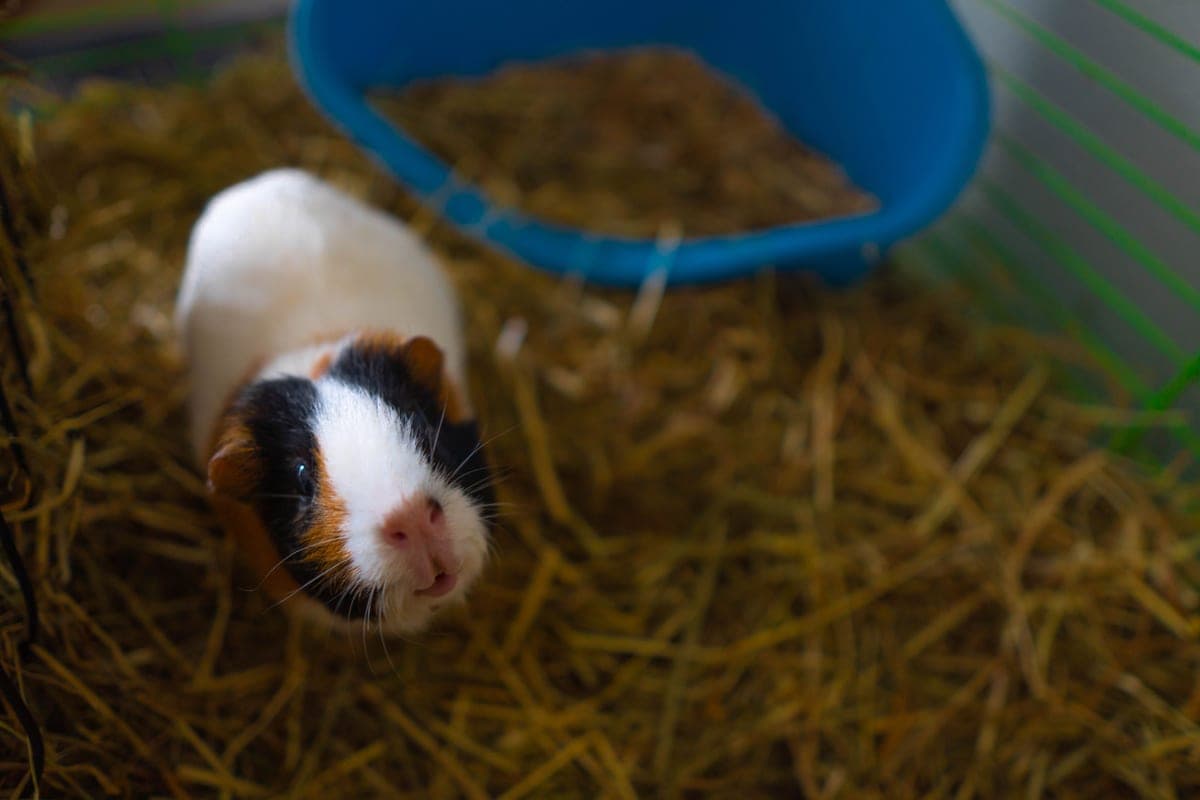
Judged on whether a beginner can buy adequate housing off the shelf. Guinea pigs win; the reason is instructive.
Guides
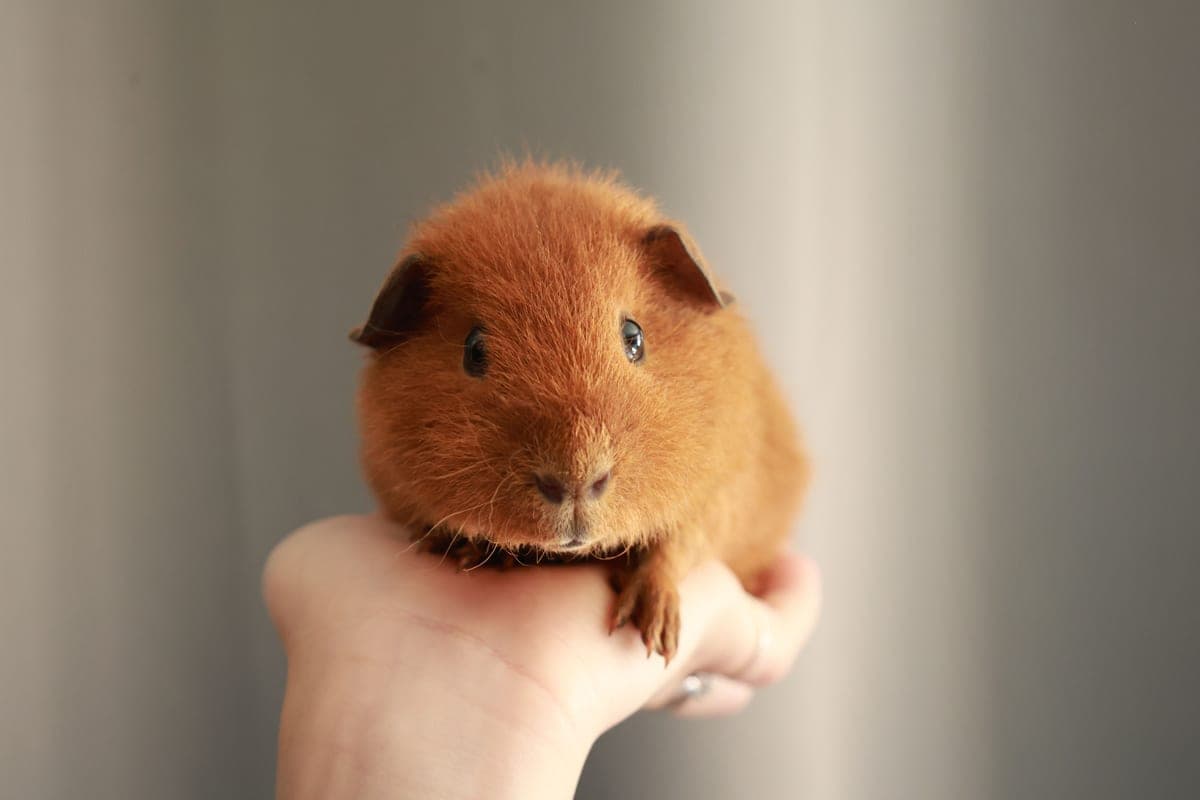
Hamsters sleep through a child's whole day. Guinea pigs do not. That single fact decides most of it.
Guides
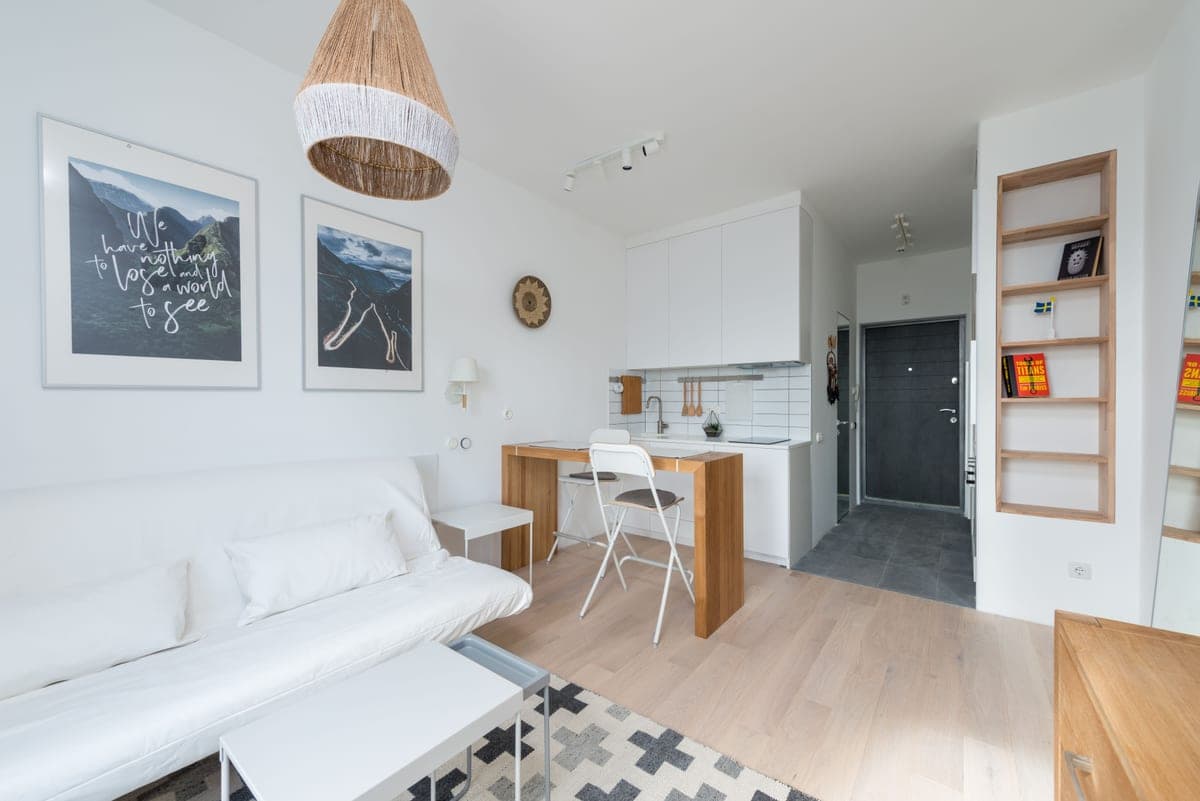
Enclosure footprint, noise at 3am and smell. Three things a flat makes unavoidable, species by species.
Best gift
What a new owner actually needs, what to check before buying, and the two popular gifts that cause harm.
Our pick: Niteangel Super-Silent Hamster Exercise Wheel, 12.8 in
We do not print prices. #ad Disclosure
At a modest budget, consumables and one upgrade. Both get used and neither needs the enclosure measured.