Guides
The best chinchilla bedding, against a short published list
VCA names two acceptable materials and rules out two more by name. That makes this the easiest bedding decision on the site, and the one most pet aisles get wrong.
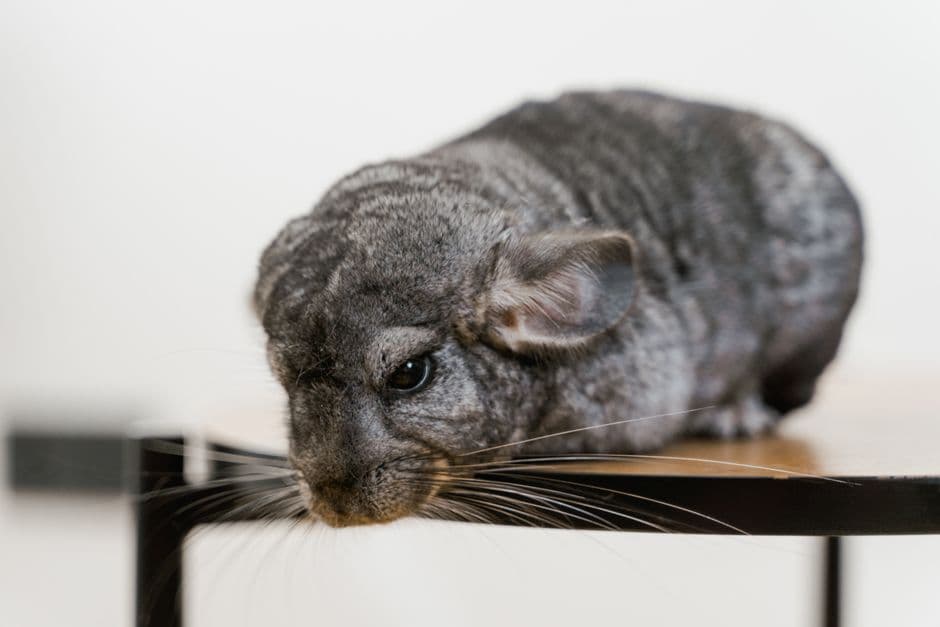
Use a soft paper-based bedding or a fleece liner, and keep cedar and pine out of the cage entirely. That is not our preference, it is VCA's published list: soft, commercially available, paper-based bedding or fleece liners, and do not use cedar or pine shavings in the cage, because they may be a source of irritation to the respiratory tract. Of the products we have verified, Kaytee Clean & Cozy Natural is the paper bedding we would buy first, with carefresh the most widely stocked alternative and Oxbow Pure Comfort the one to put in the corner that gets used as a toilet. If you would rather wash than replace, the Nation fleece liner is cut to the 36 x 24in pan on the cages chinchillas are usually housed in.
Chinchilla bedding material · recommendation
soft, commercially available, paper-based bedding or fleece liners; do not use cedar or pine shavings in the cage, because they may be a source of irritation to the respiratory tract
What makes this category easy is that the published guidance is unusually specific about materials. Most welfare figures on this site are dimensions, and dimensions have to be argued about. Here VCA names two things to use and two things not to, which means the shopping decision is about dust, absorbency and price rather than about whether the material is safe at all.
What makes it worth a page anyway is that pet aisles still sell pine shavings as small-animal bedding by the bale, and a chinchilla's respiratory tract is the reason not to buy one. The phenol argument is the same one the House Rabbit Society makes about softwood shavings and Rat Guide makes about pine and cedar for rats: it is a cross-species position on this site, set out in full on cage materials: what is safe and what is not.
The criteria, in the order they are applied
- 1.On VCA's list, as a pass or fail. Paper-based or fleece. Cedar and pine are out by name, and a product that is mostly pine with a fragrance added is still pine.
- 2.Dust. Chinchillas take a dust bath daily by design, which means their respiratory system is already handling more airborne particulate than any other animal on this site. The bedding is the one dust source you can control, so a manufacturer figure for dust content is worth paying for.
- 3.Absorbency, and what happens when it is wet. VCA asks for humidity under 40-50 percent in a chinchilla's environment, and a saturated bedding is a humidity source sitting under the animal.
- 4.Whether it holds a shape. Chinchillas do not burrow the way a hamster does, so tunnel stability is not the test here. What matters is that bedding stays where you put it rather than being kicked through the bars.
- 5.Cost at cage scale, last. A 3ft x 2ft cage with two levels takes real volume. A bedding that is excellent and only sold in 14 liter packs is a bedding you will stop buying.
| # | Product | Best for | Score | Price |
|---|---|---|---|---|
| 1 |  Illustrative IllustrativeKaytee Clean & Cozy Natural Paper Bedding49.2 L pack is about 3,000 cu in expanded, per the retailer listing | Loose nest material a hamster arranges itself | 8.8out of 10 | Check price on Amazon We do not print prices. #ad Disclosure |
| 2 | Illustrative carefresh Small Pet BeddingNot applicable | Availability and softness | 8.0out of 10 | Check price on Amazon We do not print prices. #ad Disclosure |
| 3 | Illustrative Oxbow Pure Comfort BeddingNot applicable | The toilet corner of a deep-bedded enclosure | 8.1out of 10 | Check price on Amazon We do not print prices. #ad Disclosure |
| 4 |  Illustrative IllustrativeNation Accessories Fleece Liner SetCovers a full Nation level | Lining a Ferret Nation or Critter Nation pan | 8.8out of 10 | Check price on Amazon We do not print prices. #ad Disclosure |
Scores are our own assessment of published specifications against the thresholds set out in how we assess products. They are not test results and not customer ratings. Tap a row to read the full assessment.
What we would put in the cage
Two paper beddings that are on VCA's named list and sold in volumes that suit a 6-square-foot cage, plus the fleece liner cut to the 36 x 24in pan the MidWest Nation cages use. Full assessments of all four, including the odor-corner specialist, are below.
- Illustrative
Loose nest material a hamster arranges itself
Kaytee Clean & Cozy Natural Paper Bedding
49.2 L pack is about 3,000 cu in expanded, per the retailer listing
The nest material we would buy first: undyed, unscented paper in short crumbled pieces that a hamster can carry and pack, with none of the strand behavior that makes fluffy nesting products dangerous.
Check price on AmazonWe do not print prices. #ad Disclosure
- Illustrative
Availability and softness
carefresh Small Pet Bedding
Not applicable
The most widely stocked paper bedding, and a safe default whose only real weakness is that it compacts rather than holding an open tunnel.
Check price on AmazonWe do not print prices. #ad Disclosure
- Illustrative
Lining a Ferret Nation or Critter Nation pan
Nation Accessories Fleece Liner Set
Covers a full Nation level
The right answer to ferret bedding, because ferrets do not burrow and a washable liner removes the whole loose-substrate question at once.
Check price on AmazonWe do not print prices. #ad Disclosure
The four compared
| Product | Material | On VCA's list? | Best use | Weak point |
|---|---|---|---|---|
| Kaytee Clean & Cozy Natural | Undyed, unscented paper | Yes, paper-based | Whole-cage substrate | Packs down more than kraft paper |
| carefresh Small Pet Bedding | Reclaimed paper fiber | Yes, paper-based | Whole-cage substrate, stocked everywhere | Short fiber packs down when damp |
| Oxbow Pure Comfort | Paper fiber | Yes, paper-based | The corner that gets used as a toilet | Priced for a corner, not a whole cage |
| Nation Accessories Fleece Liner | Fleece with a quilted absorbent layer | Yes, fleece liner | Washable flooring on a Nation pan | Needs two sets, and some animals chew fleece |
Materials are each manufacturer's own description, read 2026-09-27 and linked on every product card. The VCA column is our reading of each material against the two categories VCA names. Best use and weak point are our editorial assessment.
Where aspen sits, and why we are not going to pretend
Aspen is the obvious question, because it is a hardwood, it carries none of the phenols that make pine and cedar a problem, and it is widely used for chinchillas by experienced keepers. We stock two aspen products and recommend them elsewhere on this site for hamsters and rats.
VCA does not name it. Its chinchilla list is paper-based bedding or fleece liners, and the exclusion is specific to cedar and pine. So the honest position is that aspen is not prohibited by the guidance we are citing and is not endorsed by it either, and we are not going to upgrade a silence into a recommendation on a page whose whole argument is that the published list is short and clear. If you already use kiln-dried, screened aspen and your chinchilla is well, there is nothing in the VCA guidance that says stop. If you are choosing from scratch, choose from the two categories VCA names.
How much bedding, and how often to change it
Depth is not the point here, which is the main way chinchilla bedding differs from hamster bedding. A hamster needs ten inches because digging is most of what it does; a chinchilla needs a clean, dry, absorbent surface and a lot of vertical space above it. One to two inches across the pan is plenty, with more in the corner the animal has chosen as a toilet.
Frequency comes from the published guidance rather than from how it looks: VCA asks that cages be emptied and cleaned at least weekly with soap and water, and that food bowls and water bottles be cleaned daily. In practice that means spot-cleaning the toilet corner every day or two, a full substrate change weekly, and the pans out and washed at the same time. Fleece follows the same weekly rhythm with a hot wash and no fabric softener — softener coats the fibers and a coated fleece stops wicking, which is the whole reason you bought it.
- Daily: scoop the toilet corner, change the water, remove the dust bath after use.
- Weekly: all bedding out, pans washed with soap and water, fresh substrate in. Fleece into a hot wash.
- Monthly: bars and shelves wiped down, wheel removed and cleaned, any solid floor panel scrubbed.
What else goes in the cage
Two things that are not bedding and get bought at the same time. A solid-floored wheel 15 inches in diameter, which is VCA's figure and is larger than anything in our wheel assessments, so we carry no shortlist for it. And a solid panel over at least part of any wire floor — VCA names Plexiglass, non-treated wood or another easily-cleaned solid surface — which on the cages chinchillas are usually housed in is already covered by the deep plastic pans. The best chinchilla cages is the page that works through which of those cages actually clears the published dimensions.
The assessments
Our pick · Loose nest material a hamster arranges itself
Kaytee Clean & Cozy Natural Paper Bedding
The nest material we would buy first: undyed, unscented paper in short crumbled pieces that a hamster can carry and pack, with none of the strand behavior that makes fluffy nesting products dangerous.
- Dimensions
- Sold in 24.6 L, 49.2 L and 72 L packs (manufacturer-listed)
- Continuous floor
- 49.2 L pack is about 3,000 cu in expanded, per the retailer listing
- Bar spacing
- Not applicable
- Material
- 100 percent recycled natural paper; Kaytee states it is free of any harmful chemicals or by-products
- Dye and scent
- Undyed and unscented. The same range also sells dyed confetti and lavender-scented versions, which we would not put in a nest
What it gets right
- Undyed and unscented, so nothing the animal sleeps with its face in is there for the owner's benefit
- Kaytee states 99.9 percent dust-free, which matters more in a nest than anywhere else in the enclosure
- Crumbled rather than stranded, so it cannot wrap a toe
- Sold in a 24.6 L pack, which is a sensible quantity if you only want nest material
What it gets wrong
- Recycled fiber is shorter than virgin kraft, so it packs down and needs topping up more often
- The 72 L pack is the largest, where the plain Clean & Cozy goes to 85 L
- Sits in a range that also contains scented and dyed variants, and the packs look similar on a shelf
- Absorbency figures are published for the range rather than this variant specifically
Who should buy something else
Not the cheapest way to fill ten inches of enclosure. If this bag is also your substrate, buy aspen or the 85 L kraft-paper pack for the depth and keep this for the nest.
Specifications read from Kaytee product listing on 1 October 2026. Floor-area arithmetic is ours and is shown above so you can redo it.
Illustrative- Material safety10
- Dust9
- Nest building9
- Dye and scent10
- Value per liter7
We do not print prices. #ad Disclosure
Number 2 · Availability and softness
carefresh Small Pet Bedding
The most widely stocked paper bedding, and a safe default whose only real weakness is that it compacts rather than holding an open tunnel.
- Dimensions
- Sold in compressed packs from 14 L to 60 L expanded
- Continuous floor
- Not applicable
- Bar spacing
- Not applicable
- Material
- Reclaimed paper fiber
- Handling
- Soft, short fiber that packs down more than kraft paper
What it gets right
- Paper fiber, so the softwood phenol question does not arise
- Stocked almost everywhere, which matters when you need a bag today
- Very soft, and good in nest boxes
What it gets wrong
- Compacts under its own weight, so deep burrows collapse more readily
- Short fiber means more dust in the bag than kraft-paper products
- Smaller pack sizes make a 10 in fill expensive
Who should buy something else
Not the choice if deep burrowing is the point of your setup. Use it in the nest and a kraft-paper or aspen substrate for the depth.
Specifications read from Manufacturer listing on 27 September 2026. Floor-area arithmetic is ours and is shown above so you can redo it.
Illustrative- Material safety10
- Dust7
- Burrow stability6
- Volume per pack7
- Value per liter8
We do not print prices. #ad Disclosure
Number 3 · The toilet corner of a deep-bedded enclosure
Oxbow Pure Comfort Bedding
A paper bedding with better odor behavior than most, which matters in the one corner of the enclosure that always needs it.
- Dimensions
- Sold in compressed packs up to 72 L expanded
- Continuous floor
- Not applicable
- Bar spacing
- Not applicable
- Material
- Paper fiber, unbleached options available
- Odor handling
- Marketed on odor control; performs well in a urine corner
What it gets right
- Paper, so no softwood question
- Handles a concentrated urine corner better than aspen
- Unbleached versions avoid the optical brighteners in white paper beddings
What it gets wrong
- Premium price per liter
- Compacts more than kraft paper, so it is not the best deep-burrow substrate
Who should buy something else
Not the whole-enclosure substrate at this price. Buy it for the wet corner and something cheaper for the other nine inches.
Specifications read from Manufacturer listing on 27 September 2026. Floor-area arithmetic is ours and is shown above so you can redo it.
Illustrative- Material safety10
- Dust8
- Burrow stability6
- Volume per pack8
- Value per liter6
We do not print prices. #ad Disclosure
Number 4 · Lining a Ferret Nation or Critter Nation pan
Nation Accessories Fleece Liner Set
The right answer to ferret bedding, because ferrets do not burrow and a washable liner removes the whole loose-substrate question at once.
- Dimensions
- Cut to the 36 x 24 in Nation pan footprint
- Continuous floor
- Covers a full Nation level
- Bar spacing
- Not applicable
- Material
- Fleece with a quilted absorbent layer
- Fit
- Made for the Ferret Nation and Critter Nation pans specifically
What it gets right
- Cut to the pan, so no folds for a ferret to dig under and soil
- Removes any softwood or dust question entirely
- Ferrets nest in fabric by preference, so this is what they would choose
What it gets wrong
- Needs washing every two or three days
- Ferrets that dig will still work a corner loose
- Does not absorb a full litter tray's worth; you still need a litter corner
Who should buy something else
Not a litter substitute. Ferrets back into corners to toilet, so you need a litter pan as well, and a liner that is doing both jobs is a liner you are washing daily.
Specifications read from MidWest Nation Accessories listing on 27 September 2026. Floor-area arithmetic is ours and is shown above so you can redo it.
Illustrative- Dust10
- Absorbency7
- Fit10
- Behavioral provision9
- Convenience6
We do not print prices. #ad Disclosure
Questions people ask
What bedding is best for a chinchilla?
Is pine bedding safe for chinchillas?
Can chinchillas have aspen bedding?
How deep should chinchilla bedding be?
How often should chinchilla bedding be changed?
Can I use fleece instead of bedding in a chinchilla cage?
Sources
- VCA Animal Hospitals — Chinchillas, housing — Names soft paper-based bedding or fleece liners as acceptable, rules out cedar and pine shavings as respiratory irritants, publishes the dust-box dimensions and daily routine, the weekly soap-and-water cage clean, the daily bowl and bottle clean, the 15in solid-floored wheel and the sub-40-50 percent humidity figure
- House Rabbit Society — The dangers of softwood shavings — The softwood phenol evidence this site applies across species, and the reason the pine exclusion is treated as a material rule rather than a preference
- Rat Guide — Cage bedding and litter — Independent statement of the same phenol position, and the source for aspen being acceptable as a hardwood carrying no toxic phenols