Guides
How big should a chinchilla cage be?
There is a published figure, it has two versions, and the one for a pair is taller than almost every cage on sale in the United States.
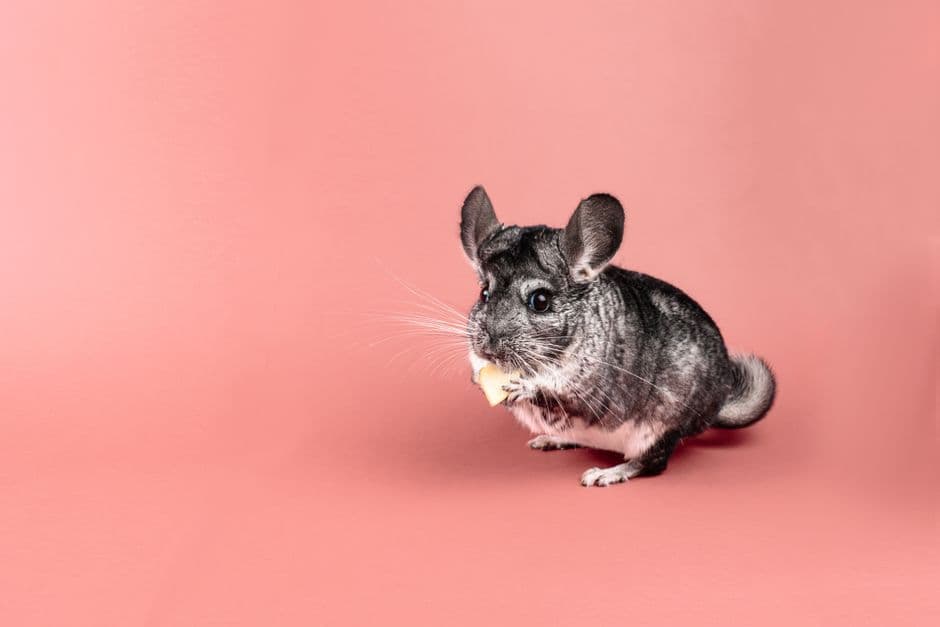
A minimum of 3ft x 2ft x 3ft high for one chinchilla, and 3ft x 2ft x 5ft high for a pair, with multiple levels. That is VCA's published figure, and converted it means 864 square inches — 6 square feet — of footprint, 36 inches of height for a single animal and 60 inches for two. Height is the part that catches people out, because it is measured as cage and most listings quote a total that includes a rolling stand. A cage advertised at 63 inches is commonly 51 inches of cage, which clears the single figure and misses the pair figure by nine inches.
Chinchilla cage minimum · minimum
a minimum of 3ft x 2ft x 3ft for one chinchilla, and 3ft x 2ft x 5ft for a pair
Our conversion: 864 square inches (6 square feet) of footprint, 36in tall for one and 60in tall for two
The useful thing about this figure, compared with most of the numbers on this site, is that it exists and it is specific. Hamster floor area is published by two bodies with different numbers. Rat cage size is published by three with figures three to four times apart. Chinchillas get one clear veterinary figure with a single and a pair version, which makes the shopping arithmetic unusually straightforward — and makes the shortage of cages that meet the pair version unusually stark.
The figure in the units you will actually be shopping in
| One chinchilla | A pair | |
|---|---|---|
| As published | 3ft x 2ft x 3ft | 3ft x 2ft x 5ft |
| In inches | 36 x 24 x 36 in | 36 x 24 x 60 in |
| In centimeters | 91 x 61 x 91 cm | 91 x 61 x 152 cm |
| Footprint in square inches | 864 sq in | 864 sq in |
| Footprint in square feet | 6 sq ft | 6 sq ft |
| Levels | Multiple | Multiple |
The first row is VCA's published wording. Every other row is our conversion of it, shown so you can check the arithmetic. Note that the footprint does not change between one animal and two: the whole of the pair allowance is height.
That last row is the interesting one. VCA does not ask for more floor for a second chinchilla; it asks for two more feet of height. That is a deliberate statement about how the animal uses space, and it matches what VCA says about the animal elsewhere — that chinchillas are fast and agile and love to climb and jump. A chinchilla's territory is vertical, so the second animal needs another story rather than another room.
Why height is the specification that gets faked
Not deliberately, but systematically. The large multi-level wire cages chinchillas are housed in are sold on a rolling stand, and the advertised height includes it. The MidWest Critter Nation and Ferret Nation double units are listed at 62.5 to 63 inches; about 12 inches of that is trolley. The cage section is around 51 inches. A chinchilla cannot climb the trolley, so for the purposes of VCA's figure the cage is 51 inches tall.
Fifty-one inches clears 36 inches easily, so for a single chinchilla the published figure is met with 15 inches to spare. For a pair it is nine inches short of 60. That nine inches is the whole of the problem in this category, and nobody selling a cage will mention it to you.
What actually clears it
Of the five large wire cages we have verified manufacturer specifications for, one clears the pair figure as sold. The best chinchilla cages carries the full five-cage table; the short version is below.
- Savic Royal Suite 95 — 37.4 x 24.8in footprint, 62.6in (159cm) tall, 6.4 sq ft per level. Clears both figures. Belgian, and the hardest of the five to buy in the United States.
- MidWest Critter Nation 162 — 36 x 24in footprint, about 51in of cage, 6 sq ft per level, two tiers. Clears the single figure; nine inches short for a pair.
- MidWest Ferret Nation 182 — effectively the same cage with one-inch bars instead of half-inch, which is not a disqualifier for a chinchilla the way it is for a ferret kit. Same height shortfall.
- Prevue 485 — 31 x 20in is 620 sq in, which is 4.3 sq ft against a 6 sq ft figure. Fails on footprint before height is discussed.
- MidWest Critter Nation 161 — the right footprint at 25.6in tall. Fails the single-animal height figure by more than ten inches.
The two cages this comes down to
The only verified cage that meets the pair figure as sold, and the one most people in the United States will actually buy. Both match or exceed the 3ft x 2ft footprint and give two full levels; they differ on nine inches of height and on how easy spares are to get.
 Illustrative
Two ferrets that sometimes need separating
Savic Royal Suite 95 Rat and Ferret Cage
95 x 63 cm = 5,985 cm2, about 928 sq in (6.4 sq ft) per level
The most floor per level of the three big ferret cages and the only one that splits into two separate cages, at 13mm spacing that is functionally the Critter Nation's half-inch.
Check price on AmazonWe do not print prices. #ad Disclosure
- Illustrative
Ferrets of any age, and kits especially
MidWest Critter Nation Double Unit (162)
36 x 24 = 864 sq in (6 sq ft) per level, two levels
The half-inch bar spacing is the whole argument: it is the same cage as the Ferret Nation with a gap a ferret kit cannot get its head through.
Check price on AmazonWe do not print prices. #ad Disclosure
What to do if your cage is nine inches short
- 1.Stack another unit. The MidWest Nation cages are modular: a third unit takes a 130cm cage past 190cm, which clears the pair figure comfortably. It needs ceiling height and it is the cheapest route to real compliance.
- 2.Add height inside what you have. Shelves, ledges and a hanging tunnel do not change the cage dimension and do change what the animal can do with it. This is a genuine improvement and it is not the same as meeting the figure.
- 3.Add out-of-cage time in a proofed room. Daily, supervised, with cables and anything chewable out of reach. Every chinchilla should have this regardless of cage size; it is not a substitute for the cage.
- 4.Keep one chinchilla rather than two. The single figure is 36 inches and almost any double-unit cage clears it. This is a real option and it has a cost: chinchillas are social, and a solitary animal needs much more of your time.
The other figures that come with the cage
VCA's housing page sets out four more requirements in the same breath as the dimensions, and they are all cheap to get wrong: no galvanized wire, because it contains zinc and zinc is toxic if ingested; at least part of any wire floor covered with Plexiglass, non-treated wood or another easily-cleaned solid surface; a solid-floored wheel 15 inches in diameter; and an environment at 55-68F (10-20C), below 80F (27C), with humidity under 40-50 percent.
The temperature and humidity pair is the one worth sitting with before buying a cage at all. A room that runs at 55-68F and under 50 percent humidity is cooler and drier than most homes, and the ceiling of 80F is not advisory in July. If the only place the cage fits is a conservatory, a kitchen or a south-facing room, the honest conclusion is that the house is wrong for the animal rather than that the cage is.
Chinchilla exercise wheel · minimum
wheels should have solid flooring and should be 15 inches in diameter
Our conversion: 38cm
If you are still deciding between species rather than between cages, chinchilla vs guinea pig sets the two sets of requirements side by side — they are far less similar than the pet aisle implies.
Questions people ask
How big should a chinchilla cage be?
How big should a chinchilla cage be for 2?
Is a Critter Nation big enough for two chinchillas?
Does a chinchilla cage need multiple levels?
How tall is tall enough if I only have one chinchilla?
What temperature does a chinchilla room need to be?
Sources
- VCA Animal Hospitals — Chinchillas, housing — Publishes the 3ft x 2ft x 3ft single and 3ft x 2ft x 5ft pair minimums with multiple levels, the galvanized-wire and zinc warning, the solid-flooring recommendation, the 15in solid-floored wheel and the 55-68F temperature and humidity figures
- VCA Animal Hospitals — Chinchillas, owning a chinchilla — Describes chinchillas as fast and agile, loving to climb and jump, and states that they require a cage with a wheel
- MidWest Homes for Pets — Critter Nation — Manufacturer dimensions for the 161 and 162, including the overall height that the rolling stand is part of