Standards
Rabbit welfare minimums: the 3m x 2m figure, and what counts
Two independent bodies publish the same number. The part that changes what you can buy is the rule about what does not count towards it.
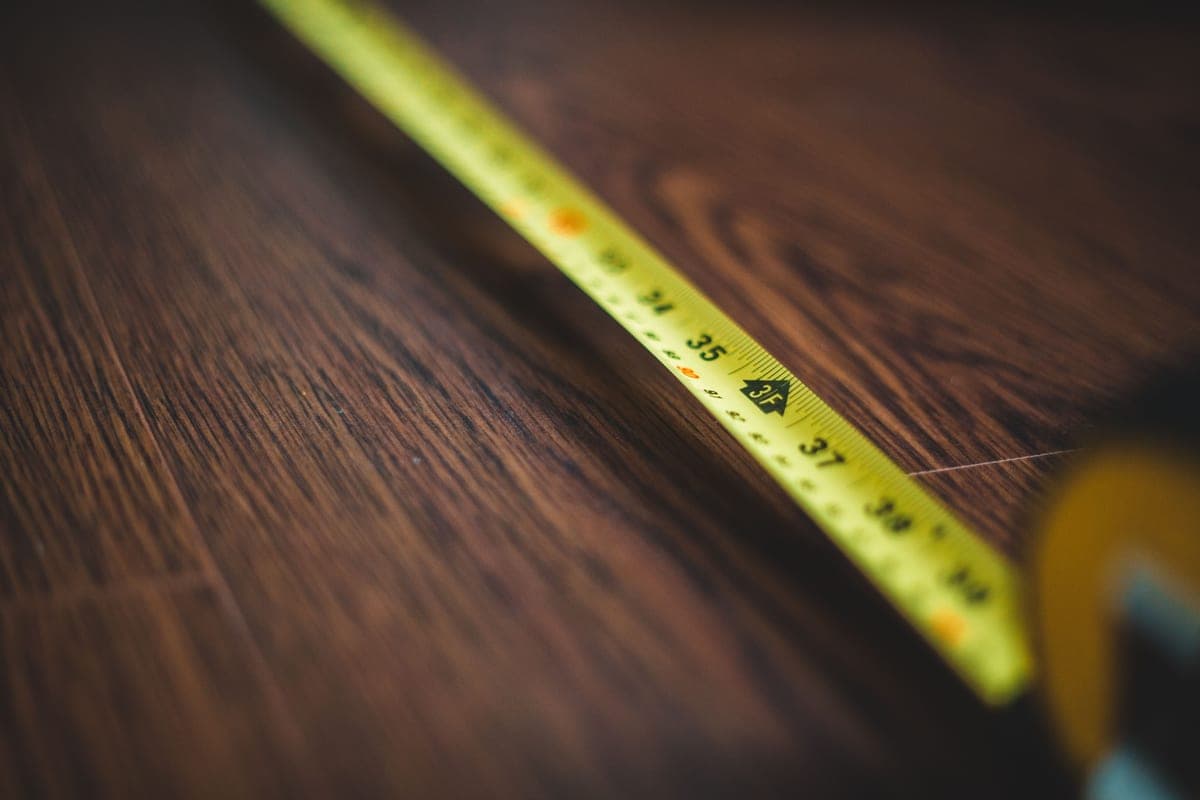
The Rabbit Welfare Association and Fund and the RSPCA independently publish the same minimum: an enclosure of at least 3m x 2m x 1m high for two medium-sized rabbits, which is about 64.5 square feet of floor. RWAF adds the rule that decides what you can actually buy: the footprint must be a single block of space, and upper floors, raised platforms, tunnels and connectors do not count towards it.
Rabbit enclosure minimum · minimum
a single enclosed area of at least 3m x 2m by 1m high
Our conversion: 9ft 10in x 6ft 7in x 3ft 3in, about 64.5 square feet of floor
Rabbit living space minimum · minimum
no smaller than 3m x 2m x 1m, including shelter and exercise area
Our conversion: about 64.5 square feet of floor
It is unusual, in this category, for two major bodies to publish the same figure. For rabbits they do, in metric, with the same height requirement and for the same unit of two animals. That makes rabbit housing the easiest of the four species on this site to assess and the hardest to buy for, because the figure is large and almost nothing on sale meets it.
What 3m x 2m x 1m is in the units you shop in
| Dimension | Metric | Imperial |
|---|---|---|
| Length | 3m | 9ft 10in |
| Width | 2m | 6ft 7in |
| Height | 1m | 3ft 3in |
| Floor area | 6 m2 | about 64.5 sq ft |
| Shelter within it (RWAF) | 1.8 x 0.6 x 0.6m | 6ft x 2ft x 2ft |
RWAF publishes the imperial conversion as 9ft 10in x 6ft 7in x 3ft 3in. The floor-area figure in square feet is our conversion.
For scale: 64.5 square feet is roughly an eight-foot square. It is the footprint of a small garden shed, or a decent share of a spare bedroom. It is about four times the enclosed area of a single eight-panel exercise pen, and about four times the inner space of the largest timber hutch-and-run package we could find on sale.
The rule that changes everything: single block, no platforms
RWAF is explicit that the 3m x 2m footprint must be available as one continuous area, and that upper floors, raised platforms, tunnels and connectors do not count towards it. The stated reason is behavioral: the point of the footprint is that a rabbit can run rather than hop, and a rabbit cannot run across a platform or through a tunnel.
This is the single most consequential sentence in rabbit housing guidance, because the entire two-story hutch market is built on the opposite assumption. A two-level hutch advertised as offering fourteen square feet is offering perhaps eight on the ground and six upstairs, and by RWAF's rule the eight is the number that counts. Our rabbit hutch size guide works through what that does to the products on sale.
The figure does not reduce for one rabbit
RWAF states the minimum for two average-sized rabbits and then says plainly that a single rabbit needs the same space. This surprises people, so it is worth being clear about the logic: the figure is derived from what one rabbit needs in order to move normally, not from dividing a total between two animals. A rabbit on its own needs the same run-up to reach speed.
RWAF's own position is also that rabbits should not be kept alone at all, which is a separate argument from the space one. We are not going to relitigate it here; what matters for housing is that keeping one rabbit does not license a smaller enclosure.
How to actually reach 64.5 square feet
Since no product on sale provides it in one purchase, reaching the published minimum means assembling it. There are three routes that work, in rough order of cost.
- 1.A shelter inside a pen. Buy a hutch as the sleeping quarters and put it inside a pen that supplies the footprint. Four eight-panel exercise pens joined together give 64 square feet at the cheapest price per square foot of anything we found, though they need a roof and a dug-in mesh skirt outdoors.
- 2.A run of connected proprietary runs. Systems like Omlet's extend in fixed increments and are engineered to connect, which costs more per square foot and removes the DIY element. Budget for the extensions from the start: the base packages sit well under the minimum.
- 3.A converted shed or a room. A 6ft x 8ft shed with a cut-in ramp and a mesh window is 48 square feet, and a shed plus an attached run clears the figure comfortably. Indoors, rabbit-proofing a room and giving free access to it is the same solution.
For outdoor setups, the footprint is only half the job. The other half is whether the enclosure keeps a fox out, which is a question about mesh gauge, weld type, latches and dig protection rather than about area. That is covered in predator-proof rabbit hutches, and the flooring question, which is where most cheap hutches fail a rabbit's feet, is in rabbit hutch flooring.