Guinea pigs
Kavee vs GuineaDad liners
One is cut to your cage and disappears into it. The other has a pocket the pigs climb inside. That difference, not absorbency, is what decides this.
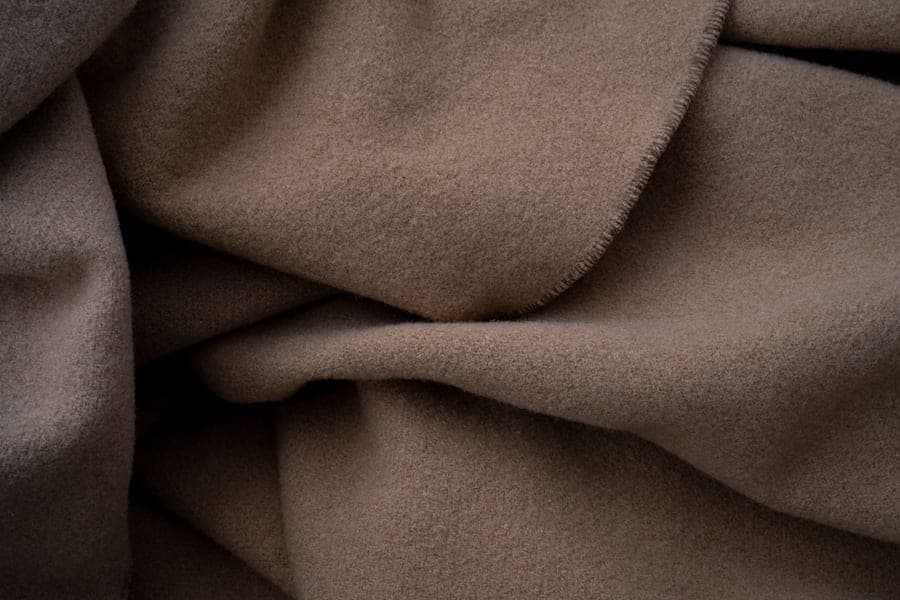
Buy the GuineaDad liner if you want the pigs to get something out of it, and the Kavee liner if you want the cage to be easier to run. They are built on two different ideas. GuineaDad's is a bamboo-fiber fleece over an absorbent core with an integral pocket the animals can get under, which turns the floor itself into a hide — genuinely useful for a nervous pig or a new arrival. Kavee's is a fleece top over an absorbent middle and a waterproof backing, cut to the same grid dimensions as Kavee's cages, so there are no gaps at the corners and nothing to tuck. If you already run a Kavee cage, the fit argument is strong enough on its own. If your pigs spend their day sitting on top of their hide rather than in it, the pocket is worth more than the fit.
This comparison is the second question, not the first. The best guinea pig cage liners ranks the category and liners versus disposable bedding settles whether you want fleece at all. This page assumes you have decided on fleece and there are two brands in the tab bar.
What each one is, as published
| GuineaDad liner | Kavee liner | |
|---|---|---|
| Top layer | Bamboo-fiber fleece | Fleece |
| Construction | Fleece over an absorbent core | Fleece top, absorbent middle layer, waterproof backing |
| Sizing | Sized to standard C&C footprints including 4x2 | Cut to Kavee C&C sizes including 4x2 and 6x2 |
| Distinguishing feature | Integral pocket the animals can get under | Cut to the same grid dimensions as the cages, so no gaps at the corners |
| Our score | 8.6 | 8.4 |
Materials and sizing are each manufacturer's published descriptions, read 2026-09-27 and linked on both product cards below. The scores are our own assessment of the published specification, not a laundry test — we have not run these side by side for a year and will not imply we have.
Notice what is not in that table: an absorbency figure. Neither brand publishes a comparable one, and if we put a number in that cell it would be invented. What they do publish is the construction, and the construction tells you most of what you need: both are a fleece wicking layer over an absorbent core, which is the standard design, and Kavee adds a stated waterproof backing where GuineaDad describes a core.
The fit argument
Fleece fails at the edges. A liner that is slightly too small leaves a strip of bare base at the perimeter, which is where urine runs; a liner that is slightly too large rucks up in the corners, which is where hay and droppings collect and where a pig will start chewing. Kavee's whole pitch is that its liners are cut to the same grid dimensions as its cages, so a Kavee liner in a Kavee cage has no gap and no excess.
That is worth real money if you own a Kavee cage, and it is worth nothing if you do not. C&C grids are standardized enough that a 4x2 is a 4x2, but bases are not — corrugated plastic bases are often cut by hand, and a liner cut to a manufacturer's base dimensions is not guaranteed to fit a base you cut yourself. If your cage is homemade, buy on dimensions and expect to tuck.
The pocket argument
GuineaDad's liner has a pocket the pigs can get under, and this is the feature that makes the two products genuinely different rather than two versions of the same thing. Guinea pigs are prey animals that want overhead cover, and a setup where cover is only available inside a plastic igloo means the animals either sit in the igloo or sit exposed. A pocket in the floor adds a second, lower-commitment option — and it is the one new arrivals use while they decide whether to trust you.
The costs of the pocket are honest ones. It is another thing to shake out, it holds hay, and it is another surface to check and wash. Against that, it does a job no hide can do, which is to be available everywhere along the length of the liner.
The two liners, and the cage they are both cut for
The bamboo-fleece liner with the burrow pocket, the liner cut to Kavee's own grid dimensions in 4x2 and 6x2, and the 4x2 cage both are sized to — at 10.6 square feet, it clears the 10.5 square feet preferred for a pair.
- Illustrative
Replacing disposable bedding entirely
GuineaDad Fleece Liner
Covers the cage base it is sized for
A washable liner with a built-in pocket, which is the one fleece feature that addresses a real guinea pig behavior rather than just absorbency.
Check price on AmazonWe do not print prices. #ad Disclosure
- Illustrative
Anyone already running a Kavee cage
Kavee Fleece Liner for C&C Cages
Covers the cage base it is sized for
The liner that actually fits the cage, which sounds trivial until you have chased a folded corner full of urine around a 4x2 for a week.
Check price on AmazonWe do not print prices. #ad Disclosure
 Illustrative
A pair of guinea pigs, indoors
Kavee 4x2 C&C Cage for Guinea Pigs
55.1 x 27.6 = 1,521 sq in, about 10.6 sq ft
10.6 sq ft in one unbroken block clears the preferred figure for a pair rather than the bare minimum, which no pet-store guinea pig cage does at any price.
Check price on AmazonWe do not print prices. #ad Disclosure
What neither of them fixes
- Daily spot cleaning. Fleece wicks urine down into the core, which keeps the surface dry and makes it very easy to leave a liner too long. The RSPCA asks for daily spot cleaning regardless of what the floor is made of.
- The need for a second liner. One liner means a wet liner on wash day. Two is the real cost of going fleece and the thing to budget for.
- Hay. Both liners collect hay in exactly the same way and no construction solves it. A hay rack or a dedicated hay tray helps more than the liner choice does.
- The cage being too small. A liner cannot add floor area. Guinea pig cage size has the published figures.
- Chewers. Some pigs chew fleece edges, and a chewed liner is a liner you replace. Neither brand is chew-proof, and a liner that is losing material should come out.
Laundry, which is the real ownership cost
Both go in a domestic washing machine, and both need the same discipline: shake the solids off outside before they go in, wash without fabric softener, because softener coats the fibers and kills the wicking, and skip the dryer sheet for the same reason. Fleece that has stopped wicking looks fine and sits wet on the surface, and softener is the usual cause.
If you are running a big enclosure the laundry volume is the thing that decides whether fleece sticks. A 6x2 liner is a substantial item in a domestic machine, and four pigs on a 6x2 generate more washing than two on a 4x2 — see the best cages for four guinea pigs for what that setup involves.
What we would buy
GuineaDad for a pair in a cage that is already well furnished, because the pocket adds something the cage does not otherwise have and the bamboo fleece is the nicer top surface. Kavee if you own a Kavee cage, because an exact cut removes the single most annoying thing about fleece. Two of whichever you choose, so one is always clean — that decision matters more than the brand.
And if you are still deciding between fleece and disposable bedding at all, the honest answer is that fleece is cheaper over a year and more work every week, which is a trade-off about your time rather than about the animals. Liners versus disposable bedding makes that case properly.
Questions people ask
Is Kavee or GuineaDad better?
Which liner is more absorbent?
Will a GuineaDad liner fit a Kavee cage?
How many fleece liners do I need?
Can you use fabric softener on guinea pig liners?
Does a fleece liner replace daily cleaning?
Sources
- Humane World for Animals — Guinea pig housing requirements — The flooring guidance and the space figures referenced where this page discusses what a liner cannot fix
- RSPCA — Guinea pig environment — Daily spot cleaning and a weekly deep clean, which applies regardless of whether the cage floor is fleece or disposable bedding