Guinea pigs
Guinea pig cage setup checklist
Nine things, each tied to a figure or a behavior, arranged so the hay and the toilet corner work together.
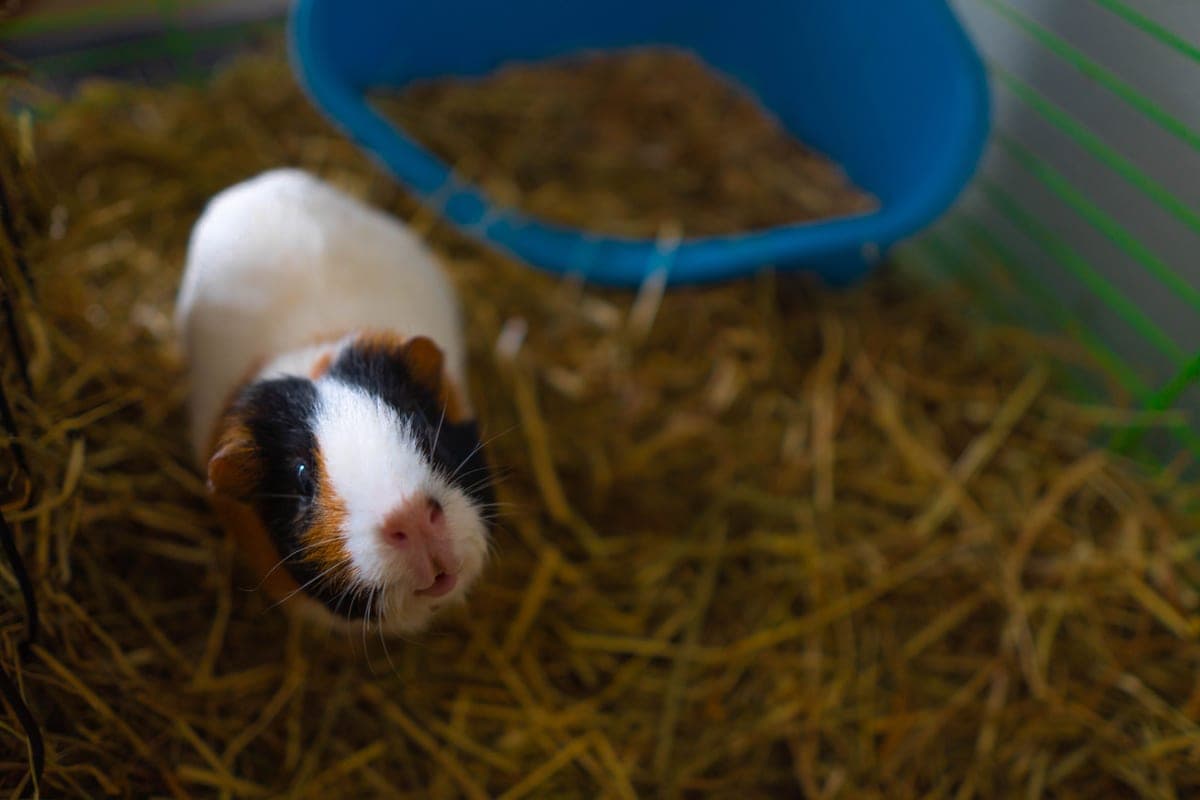
A guinea pig cage needs nine things: 10.5 square feet of floor for a pair, 12-inch walls, a solid non-wire base, two to three inches of paper bedding or a fleece liner, unlimited hay in a rack, two hides each with two exits, a heavy water source, a food bowl, and something safe to chew. Arrange the hay next to the corner they toilet in, because they do both at once.
The nine
1. Floor: 10.5 square feet for a pair
Guinea pig cage minimum · minimum
7.5 sq ft (about 30in x 36in) bare minimum for one; 7.5 sq ft minimum for two, with at least 10.5 sq ft (30in x 50in) preferred
The published minimum for two is 7.5 square feet and the preferred figure is 10.5. We recommend the preferred figure because guinea pigs are obligately social, so a pair is the normal case. How to measure and what clears it.
2. Walls: at least 12 inches
Guinea pig enclosure wall height · minimum
at least 12 inches high
Published, and frequently failed by improvised housing. The RSPCA adds a behavioral figure of around 30cm of height for the frisky hop, which is an argument for an open top where the room is safe for one.
3. A solid base, not wire
Guinea pig flooring · minimum
plastic tubs, glass aquariums and cages with wire floors are stated to be not acceptable
Wire floors cause sore hocks; plastic tubs and glass aquariums fail on ventilation and wall height relative to area. Corrugated plastic, a PVC-lined canvas bottom, or any solid washable surface. This is the most prescriptive rule in any guidance we cite.
4. Bedding: 2-3 inches of paper, or a fleece liner
Guinea pig bedding · recommendation
2 to 3 inches of paper bedding; cedar and pine shavings are stated to be not recommended because of chemicals they both contain
Paper, never cedar or pine. Or a washable fleece liner cut to the base, which produces no dust at all — worth weighing for a species prone to respiratory problems. Liners versus disposable bedding.
5. Unlimited hay, in a rack
Hay is most of a guinea pig's diet and most of its day, and it needs to be available constantly rather than portioned. A rack keeps it off the floor and out of the bedding, which means less waste and cleaner hay. For a pair, two racks well apart — hay is the resource most worth guarding.
6. Two hides, each with two exits
Two, not one. A single hide is a location; two are a choice, and a hide with one entrance is a dead end that one animal can guard against the other. Cardboard boxes with two holes cut in them work as well as anything sold for the purpose and get replaced rather than cleaned.
7. A heavy water source
Bottle or bowl, and either works. A bottle stays clean and can jam silently, so check the flow every day. A bowl gets bedding and hay in it, so make it heavy and shallow and change it daily. Two sources for a pair.
8. A food bowl, heavy or clipped
For pellets and fresh vegetables. Heavy ceramic or clip-on, because a light bowl becomes a toy and then a tipped bowl. Two bowls for a pair, well apart, for the same reason as two hay racks.
9. Something safe to chew
Untreated apple or willow wood, plain cardboard, or a seagrass mat. Guinea pig teeth grow continuously, and hay does most of the wearing — but chew material gives them something to do that is not the correx base. Avoid treated or painted wood, and avoid softwood for the reasons in cage materials safety.
How to arrange it
- 1.Find the toilet corner first. Guinea pigs choose one, and it is usually the corner furthest from where they sleep. If the cage is new, watch for a few days before committing to a layout.
- 2.Put the hay rack next to that corner. Guinea pigs eat and toilet at the same time, so putting the two together works with the animal rather than against it, and it concentrates the mess in one place.
- 3.Hides at the other end, one at each side, with two exits each.
- 4.Water away from the hay, so it stays clean.
- 5.Leave the middle empty. This is the part people get wrong: a cage full of accessories has no run-up, and the whole reason for 10.5 square feet rather than 7.5 is that guinea pigs use length. The empty middle is a feature.
- 6.An absorbent pad or paper tray in the toilet corner if you are running a fleece liner, which reduces the wash cadence and handles the one place fleece struggles.
What to leave out
- Wire-floored anything, including ramps and lofts. Ruled out by published guidance and the main cause of sore hocks.
- Exercise balls and wheels. Guinea pigs have rigid spines and wheels cause back injuries. There is no safe guinea pig wheel, whatever a pet shop stocks.
- Harnesses and leads. Guinea pigs panic and bolt, and a harnessed guinea pig that bolts injures itself.
- Cedar or pine shavings. Named as not recommended in the same guidance that sets the bedding depth.
- Muesli-style food. Selective feeding means they eat the sugary bits and leave the fiber, which is backwards for a hindgut fermenter. Plain pellets plus unlimited hay.
Setting it up in order
- 1.Site the cage. The RSPCA publishes 17-20C as ideal, indoors below 15C, heatstroke above 26C, so out of direct sun and away from drafts. Cage placement.
- 2.Support the base across its whole footprint if it is correx, because an unsupported sheet sags and pools urine.
- 3.Lay the bedding or liner.
- 4.Hay rack and the toilet corner at one end.
- 5.Hides at the other end, two exits each.
- 6.Water and food in between, away from the hay.
- 7.Leave the middle clear.
- 8.Give them a few hours before you start handling, and put some used bedding from the old setup in if this is a move.
The structural purchases
A cage that clears the preferred figure, a liner cut to its base, or paper bedding if you would rather not run laundry. Everything else on the checklist is cheap or made from a cardboard box.
 Illustrative
A pair of guinea pigs, indoors
Kavee 4x2 C&C Cage for Guinea Pigs
55.1 x 27.6 = 1,521 sq in, about 10.6 sq ft
10.6 sq ft in one unbroken block clears the preferred figure for a pair rather than the bare minimum, which no pet-store guinea pig cage does at any price.
Check price on AmazonWe do not print prices. #ad Disclosure
 Illustrative
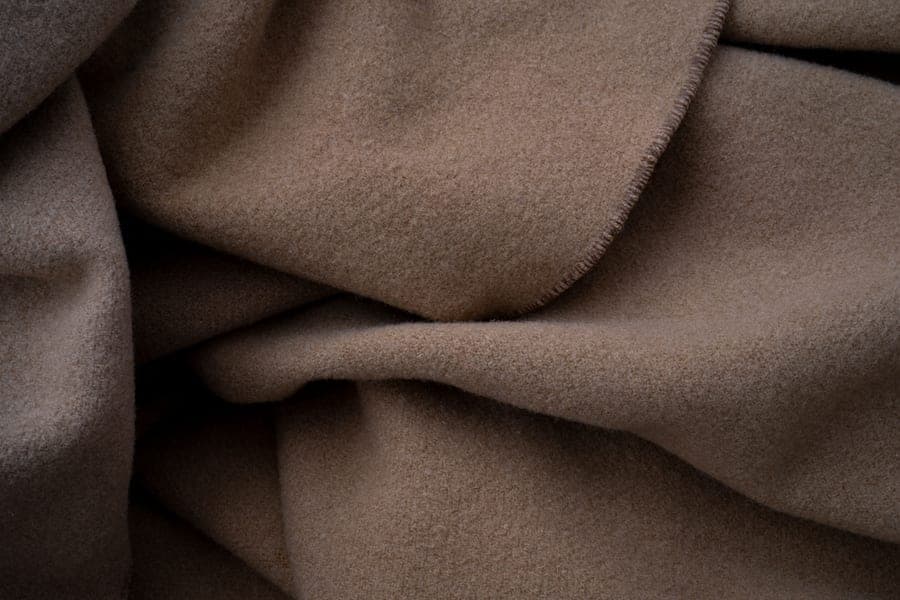
Replacing disposable bedding entirely
GuineaDad Fleece Liner
Covers the cage base it is sized for
A washable liner with a built-in pocket, which is the one fleece feature that addresses a real guinea pig behavior rather than just absorbency.
Check price on AmazonWe do not print prices. #ad Disclosure
 Illustrative
Availability and softness
carefresh Small Pet Bedding
Not applicable
The most widely stocked paper bedding, and a safe default whose only real weakness is that it compacts rather than holding an open tunnel.
Check price on AmazonWe do not print prices. #ad Disclosure
Questions people ask
What does a guinea pig cage need?
How should a guinea pig cage be set up?
Do guinea pigs need a wheel?
How many hides do two guinea pigs need?
Bottle or bowl for guinea pig water?
Why should I leave the middle of the cage empty?
Sources
- Humane World for Animals — Guinea pig housing requirements — Areas, 12in wall height, flooring prohibitions, 2-3in paper bedding, cedar and pine not recommended
- RSPCA — Guinea pig environment — 30cm of height for the frisky hop; 17-20C ideal, indoors below 15C, heatstroke above 26C
- Kavee 4x2 C&C cage