Hamsters
Best hamster cages with a stand
Nothing that clears the published minimum comes with a stand. Once you have filled one with ten inches of substrate you will understand why.
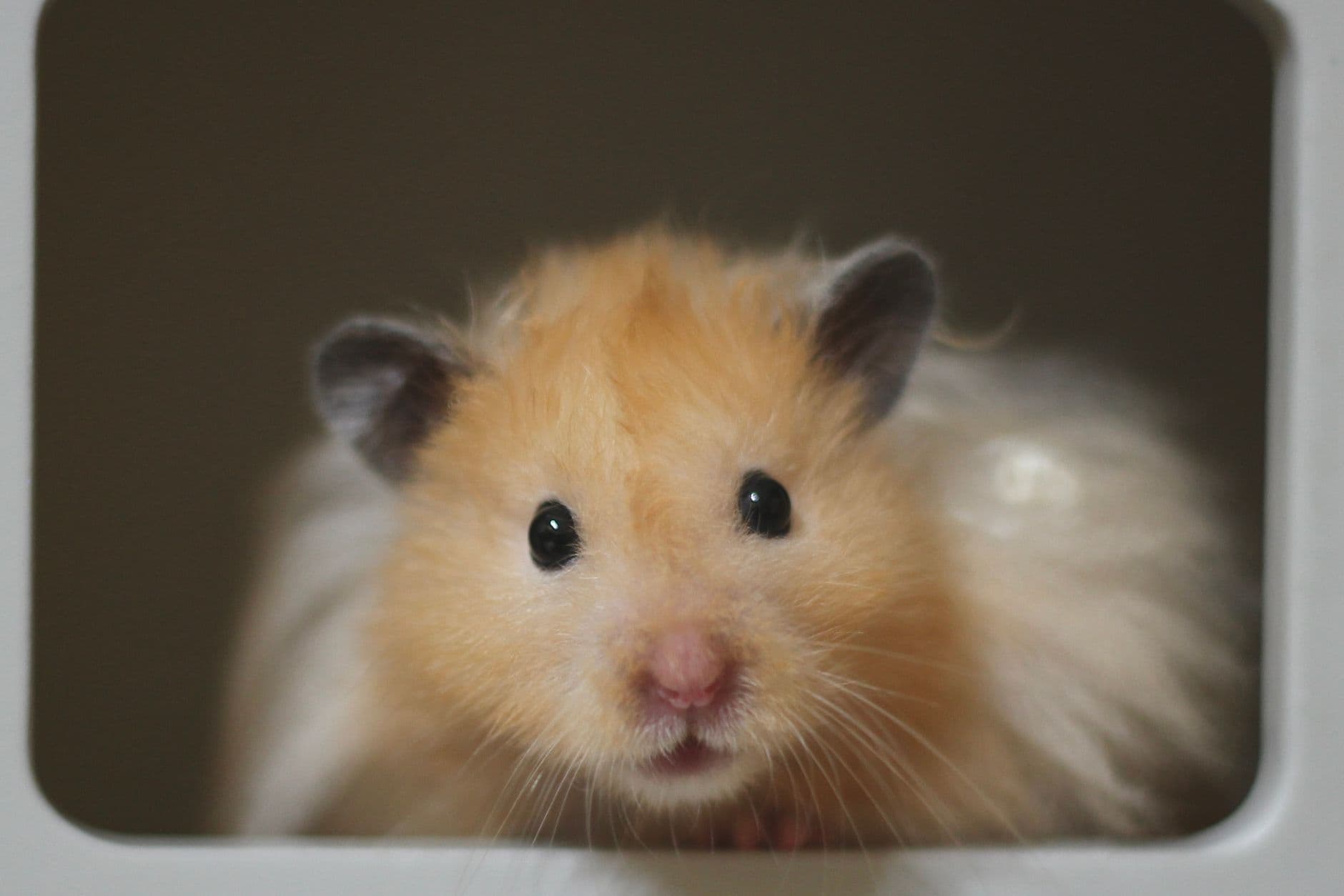
There is not one. No enclosure we can verify that clears the published 775 square inch minimum is sold with a stand, and the cages that do come with stands are small wire cages that fail the figure. The right buy is a compliant enclosure plus separate furniture rated for the load — and the load is much larger than people expect.
That is an unsatisfying answer to a reasonable question, so the rest of this page is the useful version: which enclosures are worth standing up, how much substrate you are actually asking the furniture to hold, and what happens if you get it wrong.
Why raising the enclosure is worth doing
- You see the animal. An enclosure on the floor is observed from above, which is the angle a predator arrives from and the one a hamster is least relaxed about. At chest height you watch through the side instead.
- Floor level is the cold, draughty, dusty layer of a room. It is also where vacuum cleaners and feet are.
- It stops the enclosure becoming a shelf. A cage at floor level accumulates things on its lid.
- Access improves, so spot-cleaning actually happens. A job you do standing up gets done; a job you do kneeling gets postponed.
What raising it does not fix is placement. Height is one variable; sunlight, radiators, draughts and the television are others, and they are covered on where to put a hamster cage.
The load, as arithmetic rather than a warning
A compliant enclosure is a large box, and the published bedding depth is ten inches. Multiply the footprint by that depth and the volume is the part that surprises people.
| Enclosure | Footprint | Volume of substrate at 10in | In cubic feet |
|---|---|---|---|
| BUCATSTATE 3.0, 47in | 47 x 23.6 in | 11,090 cu in | about 6.4 cu ft |
| IKEA DETOLF, on its back | 64.1 x 16.9 in | 10,860 cu in | about 6.3 cu ft |
| Niteangel Vista, Large | 47.1 x 22.7 in | 10,690 cu in | about 6.2 cu ft |
| Niteangel Vista, Medium | 40.7 x 22.7 in | 9,240 cu in | about 5.3 cu ft |
Footprints as published by each manufacturer. The volume columns are our arithmetic, at PDSA's 25cm depth across the whole base. We have deliberately not converted these to a weight: bedding density varies several-fold between a compressed paper product and loose aspen, and we have not verified a density figure we would be willing to publish. Volume is the number we can stand behind.
Rules for the stand itself
- 1.Support the whole footprint, not the corners. A glass-bottomed enclosure resting on two rails will flex in the middle. A continuous flat top is what you want.
- 2.Check it is level. Ten inches of loose substrate migrates downhill over weeks and you end up with four inches at one end.
- 3.Leave the lid clear. Most compliant enclosures are top-access at least partly, so the stand must not be under a low shelf.
- 4.Fill it in place. Do not assemble the enclosure, fill it, and then lift it onto anything. Put the empty enclosure on the stand and pour the substrate in there.
- 5.Anchor it if the room has children or a large dog in it. The same fixing you would use for a chest of drawers.
| # | Product | Best for | Score | Price |
|---|---|---|---|---|
| 1 |  Illustrative IllustrativeBUCATSTATE Hamster Cage 3.0, 47 in47 x 23.6 = 1,109 sq in (7.7 sq ft) by our arithmetic | Deep burrowing without a DIY build | 9.0out of 10 | Check price on Amazon We do not print prices. #ad Disclosure |
| 2 |  Illustrative IllustrativeNiteangel Vista Hamster Cage, Large47.1 x 22.7 = 1,069 sq in external footprint | A Syrian that needs real burrowing depth | 9.1out of 10 | Check price on Amazon We do not print prices. #ad Disclosure |
| 3 | Illustrative IKEA DETOLF glass display cabinetlaid on its back, 163 x 43 cm = 7,009 cm2, or 1,086 sq in | The most floor area per dollar, if you will build a lid | 8.4out of 10 | View at IKEA We earn no commission here. #ad Disclosure |
| 4 | Illustrative Niteangel Vista Hamster Cage, Medium40.7 x 22.7 = 924 sq in external footprint | Clearing the threshold in under four feet of shelf | 8.6out of 10 | Check price on Amazon We do not print prices. #ad Disclosure |
Scores are our own assessment of published specifications against the thresholds set out in how we assess products. They are not test results and not customer ratings. Tap a row to read the full assessment.
| Product | Continuous floor | Bar spacing | Bedding depth possible | Material |
|---|---|---|---|---|
| BUCATSTATE Hamster Cage 3.0, 47 in | 47 x 23.6 = 1,109 sq in (7.7 sq ft) by our arithmeticclears our threshold | No bars: clear acrylic panels in an aluminum frame | Manufacturer states the deep base takes up to 11 in of bedding | Aluminum frame with thickened clear acrylic panels |
| Niteangel Vista Hamster Cage, Large | 47.1 x 22.7 = 1,069 sq in external footprintclears our threshold | No bars on the long walls: MDF panels with a mesh top | Deep front glass panel takes roughly 10 in of substrate | MDF carcass with aspen veneer, glass front, wire mesh lid |
| IKEA DETOLF glass display cabinet | laid on its back, 163 x 43 cm = 7,009 cm2, or 1,086 sq inclears our threshold | None: tempered glass on all four sides | 37cm (14.6 in), enough for roughly 10 in of substrate under a mesh lid | Tempered glass with a particleboard top and base, steel shelf supports |
| Niteangel Vista Hamster Cage, Medium | 40.7 x 22.7 = 924 sq in external footprintclears our threshold | No bars on the long walls: MDF panels with a mesh top | Roughly 9 in behind the front glass | MDF carcass with aspen veneer, glass front, wire mesh lid |
Dimensions as published by each manufacturer or its retailer, read 27 September 2026 and linked in each assessment below. A tick marks a product that clears our own floor-area threshold; a cross marks one that does not. Where a manufacturer does not publish a figure, the cell says so rather than estimating it.
The assessments
Our pick · Deep burrowing without a DIY build
BUCATSTATE Hamster Cage 3.0, 47 in
The deepest substrate capacity we could verify on a mainstream enclosure: an 11 in bedding claim on a 1,109 sq in floor is the combination almost nothing else offers.
- Dimensions
- 47 x 23.6 x 25.5 in; manufacturer states 7.8 sq ft of floor
- Continuous floor
- 47 x 23.6 = 1,109 sq in (7.7 sq ft) by our arithmetic
- Bar spacing
- No bars: clear acrylic panels in an aluminum frame
- Material
- Aluminum frame with thickened clear acrylic panels
- Bedding depth possible
- Manufacturer states the deep base takes up to 11 in of bedding
What it gets right
- 1,109 sq in clears our 775 sq in floor by 43 percent
- 11 in of stated bedding capacity exceeds PDSA's 25cm (10 in) figure
- Acrylic and aluminum wipe clean and do not absorb urine
- Stackable frame, so a second unit can go above without extra floor space
What it gets wrong
- Acrylic scratches, and a scratched panel is permanently cloudy
- No bars means no climbing surface; enrichment has to come from the layout
- A full 11 in of substrate in this footprint is a lot of bedding to buy and replace
Who should buy something else
Wrong for a hamster that climbs rather than digs. If your animal spends its waking hours on the bars, an enclosure with no bars removes most of what it does.
Specifications read from BUCATSTATE product listing on 27 September 2026. Floor-area arithmetic is ours and is shown above so you can redo it.
Illustrative- Floor area vs threshold10
- Bedding depth10
- Wheel compatibility8
- Material durability8
- Cleaning access9
We do not print prices. #ad Disclosure
Number 2 · A Syrian that needs real burrowing depth
Niteangel Vista Hamster Cage, Large
The largest mainstream single-piece hamster enclosure we could verify, and the only one whose external footprint clears our 775 sq in floor with room to spare even after you allow for wall thickness.
- Dimensions
- 47.1 x 22.7 x 26.9 in external (manufacturer-listed)
- Continuous floor
- 47.1 x 22.7 = 1,069 sq in external footprint
- Bar spacing
- No bars on the long walls: MDF panels with a mesh top
- Material
- MDF carcass with aspen veneer, glass front, wire mesh lid
- Bedding depth possible
- Deep front glass panel takes roughly 10 in of substrate
What it gets right
- 1,069 sq in external footprint clears the 775 sq in PDSA minimum by a wide margin
- Solid panels on three sides mean substrate can be piled deep without spilling
- Mesh lid takes a 12 in wheel mounted from above
- Front glass makes bedding depth visible, so you can see when it drops below 10 in
What it gets wrong
- MDF absorbs urine if the liner is breached; it is not a wipe-clean surface
- Heavy and awkward to move once filled with 10 in of substrate
- Assembly is not tool-free
Who should buy something else
Skip it if you want to hose the enclosure out. MDF and water are a bad combination, and a glass tank or a coated-steel cage is the better choice for anyone who cleans that way.
Specifications read from Niteangel product listing on 27 September 2026. Floor-area arithmetic is ours and is shown above so you can redo it.
Illustrative- Floor area vs threshold10
- Bedding depth9
- Wheel compatibility9
- Material durability7
- Cleaning access8
We do not print prices. #ad Disclosure
Number 3 · The most floor area per dollar, if you will build a lid
IKEA DETOLF glass display cabinet
A furniture cabinet that gives 1,086 sq in of continuous floor for less than any purpose-built enclosure of that size, provided you accept that it ships without a lid.
- Dimensions
- 163 x 43 x 37 cm (64.1 x 16.9 x 14.6 in)
- Continuous floor
- laid on its back, 163 x 43 cm = 7,009 cm2, or 1,086 sq in
- Bar spacing
- None: tempered glass on all four sides
- Material
- Tempered glass with a particleboard top and base, steel shelf supports
- Usable height on its back
- 37cm (14.6 in), enough for roughly 10 in of substrate under a mesh lid
What it gets right
- 1,086 sq in of continuous floor, 40 percent above our threshold
- Glass is non-porous, wipe-clean and holds deep substrate without bowing
- Widely available and easy to replace a panel on
What it gets wrong
- No lid is supplied. You must build or buy a mesh top, which is real work
- Not sold as a pet enclosure, so no manufacturer supports that use
- Heavy, and the glass makes it awkward for one person to move
- No climbing surfaces at all
Who should buy something else
Not for anyone who wants an out-of-the-box solution. It is a cabinet, and turning it into safe housing is a small project with a mesh lid at the end of it.
Specifications read from Published DETOLF dimensions on 27 September 2026. Floor-area arithmetic is ours and is shown above so you can redo it.
Illustrative- Floor area vs threshold10
- Bedding depth9
- Ready to use4
- Material durability9
- Cleaning access9
We earn no commission here. #ad Disclosure
Number 4 · Clearing the threshold in under four feet of shelf
Niteangel Vista Hamster Cage, Medium
The same design as the Large in a footprint that still clears 775 sq in, for a room that cannot take a four-foot enclosure.
- Dimensions
- 40.7 x 22.7 x 22.9 in external (manufacturer-listed)
- Continuous floor
- 40.7 x 22.7 = 924 sq in external footprint
- Bar spacing
- No bars on the long walls: MDF panels with a mesh top
- Material
- MDF carcass with aspen veneer, glass front, wire mesh lid
- Bedding depth possible
- Roughly 9 in behind the front glass
What it gets right
- 924 sq in external footprint still clears the PDSA minimum
- Fits a standard 42 in shelf or console where the Large does not
- Same solid-wall construction for deep substrate
What it gets wrong
- 22.9 in rear height limits how tall a wheel you can mount inside
- Same MDF moisture caveat as the Large
Who should buy something else
Not the one if you have the space for the Large. The extra 145 sq in costs little and there is no welfare argument for choosing less floor.
Specifications read from Niteangel product listing on 27 September 2026. Floor-area arithmetic is ours and is shown above so you can redo it.
Illustrative- Floor area vs threshold9
- Bedding depth8
- Wheel compatibility8
- Material durability7
- Cleaning access8
We do not print prices. #ad Disclosure
What we would buy
The BUCATSTATE 3.0 at 47 inches on a solid low sideboard. It is the largest compliant enclosure, it is front-opening so raising it actually improves access rather than just visibility, and its footprint is a normal furniture width.
The Niteangel Vista Large is the same idea in a warmer-looking object, and its glass front is the best of these for viewing at seated height specifically.
A DETOLF is the odd one out and worth a sentence: it is a cabinet, so people assume it stands. It does — upright, as a display case, which is not how it is used as an enclosure. On its back it needs a surface like everything else here, and it is the heaviest and most awkward thing on this page to lift, so decide where it lives before you fill it.
If floor area rather than height is your question, best large hamster cages ranks these same enclosures on area.
Questions people ask
Do any hamster cages come with a stand?
What should a hamster cage stand on?
How heavy is a full hamster enclosure?
How high should a hamster cage be off the ground?
Should I fill the enclosure before or after putting it on the stand?
Sources
- PDSA — The ideal home for your hamster — The floor-area and 25cm bedding figures the volume arithmetic on this page is built from.
- RSPCA — Hamster environment — Guidance on placing an enclosure away from draughts, direct sun and noise.