Rabbits
Omlet Eglu Go Hutch review
The only rabbit housing here that will not rot, and a package footprint 13 square feet short of the published figure.
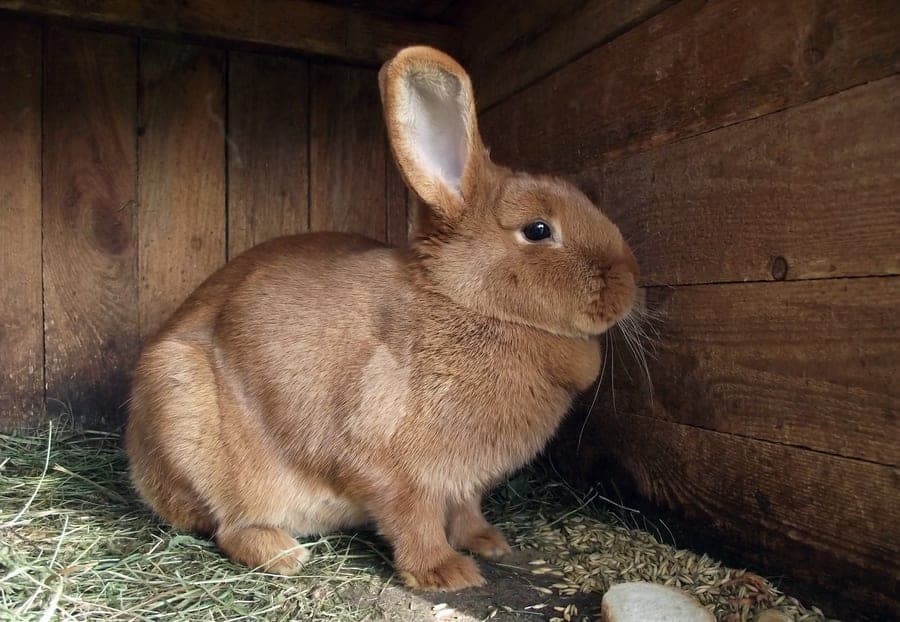
The Eglu Go Hutch is the best-engineered rabbit housing we assessed: UV-stabilized twin-wall polyethylene that does not rot, absorb urine or harbour mite, a double-layer coated steel weld-mesh run, and underfloor wire against digging supplied rather than sold separately. With the 2m run its package footprint is about 51.5 square feet against a published 64.5 square foot minimum — 80 percent, and the highest of anything on sale. Budget a run extension from the start.
The published specifications
| Specification | Figure |
|---|---|
| Hutch dimensions | 2ft 6in x 2ft 5in x 1ft 11in |
| With 2m run, overall | 5ft 5in x 9ft 6in x 2ft 7.5in |
| Package footprint | about 51.5 sq ft (our arithmetic) |
| Hutch door | 1ft 6in x 1ft 7in |
| House material | 100% recyclable UV-stabilized polyethylene, twin-wall |
| Run material | Double layer fully coated steel weld mesh |
| Mesh aperture and gauge | Not published |
| Dig protection | Underfloor wire supplied; anti-tunnel base |
| Stated capacity | Two medium-sized rabbits |
| Run extension | 3ft extension available; 2m run available separately |
From the Omlet product page, read 27 September 2026. The square-foot package figure is our arithmetic from the published overall dimensions.
Rabbit enclosure minimum · minimum
a single enclosed area of at least 3m x 2m by 1m high
Our conversion: 9ft 10in x 6ft 7in x 3ft 3in, about 64.5 square feet of floor
What it does better than anything else
The material, which is the whole argument. Every other product in this category is timber. Timber absorbs urine at the corners, needs re-treating annually, harbours mite in its joints, and eventually fails where water has got in. Twin-wall polyethylene does none of that and can be hosed out. Over a rabbit's eight-to-twelve-year lifespan that is the difference between one enclosure and two or three.
Mite, specifically. This is under-discussed and it matters. Timber joints give parasites somewhere to live that cannot be reached with a cloth, which is why a re-infestation after treatment so often traces back to the hutch rather than the rabbit. A molded plastic shell has nowhere for that.
Weld mesh, double layer, fully coated. A genuine step above stapled wire. It has to be broken rather than unpicked, and there are no staples to work loose with seasonal timber movement. The coating also means no exposed galvanized edge to chew — see cage materials safety.
Dig protection included. Omlet supplies underfloor wire with the hutch. Of the five products we assessed on predator resistance, this is the only one where it comes in the box rather than being a thing you should have thought of.
Twin-wall insulation. Not the same as the TRIXIE Natura's insulated shell, and it does provide a real thermal break with draft-free ventilation. In a mild-to-moderate winter it is adequate on its own; in a genuinely cold one, see protecting an outdoor hutch in winter.
Where it falls short
51.5 square feet against 64.5. The package as sold is 80 percent of the figure that RWAF and the RSPCA both publish. That is the best in the category and it is a shortfall, and the product page does not present it as one. Budget the run extension as part of the purchase rather than as an upgrade.
The shelter is small. At 2ft 6in x 2ft 5in the Eglu itself is well under RWAF's 6ft x 2ft x 2ft shelter figure. It is a nest box rather than a hutch. Combined with a large run that is a coherent design; described as a hutch it is misleading about its role.
Mesh gauge and aperture are not published. For the one product in the category built around its run, this is a genuine omission. The construction is described — double layer, fully coated, welded — and the numbers a predator tests are absent, so you are trusting the engineering rather than assessing it.
Cost. It is several times the price of a timber hutch of the same footprint. The material argument above is real and it is a long-term argument, and if the budget is fixed today, four exercise pens and a timber shelter give more floor immediately.
Against the alternatives
| Product | Continuous floor | Bar spacing | Predator and dig protection | Material |
|---|---|---|---|---|
| Omlet Eglu Go Rabbit Hutch with 2m Run | 9ft 6in x 5ft 5in = about 51.5 sq ft of enclosed footprint | Run is double-layer fully coated steel weld mesh; gauge not published | Underfloor wire supplied to stop digging out; anti-tunnel base | UV-stabilized twin-wall polyethylene shelter, coated steel weld-mesh run |
| Aivituvin AIR28 Rabbit Hutch with Large Run | 17.46 sq ft (2,514 sq in) as stated by the manufacturerbelow our threshold | Galvanized wire mesh; gauge and aperture not published | Wire mesh floor panel on the run section | Solid fir timber with waterproof asphalt roof and galvanized mesh |
| TRIXIE Natura Insulated Two-Story Rabbit Hutch | 45.5 x 44.5 = 2,025 sq in, about 14.1 sq ft across both levelsbelow our threshold | Wire mesh doors; aperture not published | Insulated shell, the only one on this list with that claim | Glazed pine with an insulated shell and a hinged roof |
Dimensions as published by each manufacturer or its retailer, read 27 September 2026 and linked in each assessment below. A tick marks a product that clears our own floor-area threshold; a cross marks one that does not. Where a manufacturer does not publish a figure, the cell says so rather than estimating it.
On footprint the Eglu package is about three times the largest timber hutch-and-run we could verify. On material it is in a different category. On price per square foot it loses badly to exercise pens, which is the honest comparison for anyone whose constraint is money rather than maintenance.
The full assessment
Our pick · The shelter half of a compliant setup
Omlet Eglu Go Rabbit Hutch with 2m Run
The best-engineered shelter in the category, on a package footprint of about 51.5 sq ft that still falls 13 sq ft short of the 3m x 2m minimum RWAF and the RSPCA both publish.
- Dimensions
- Hutch 2ft 6in x 2ft 5in x 1ft 11in; with the 2m run, 9ft 6in x 5ft 5in x 2ft 7.5in overall
- Continuous floor
- 9ft 6in x 5ft 5in = about 51.5 sq ft of enclosed footprint
- Bar spacing
- Run is double-layer fully coated steel weld mesh; gauge not published
- Material
- UV-stabilized twin-wall polyethylene shelter, coated steel weld-mesh run
- Predator and dig protection
- Underfloor wire supplied to stop digging out; anti-tunnel base
What it gets right
- Twin-wall polyethylene does not rot, does not harbour mite, and hoses clean
- Double-layer coated weld mesh is a genuine step above stapled chicken wire
- Underfloor wire against digging is supplied rather than sold separately
- Run extensions are made to fit, so the footprint can be grown to the real minimum
What it gets wrong
- 51.5 sq ft as sold is short of the 64.5 sq ft RWAF asks for
- Mesh gauge is not published, so you cannot check it against a fox before buying
- The shelter alone, at 2ft 6in x 2ft 5in, is smaller than RWAF's 6ft x 2ft shelter figure
- Costs more than a timber hutch of the same footprint
Who should buy something else
Not a complete enclosure straight out of the box, whatever the product page implies. Budget for at least one run extension from the start, or it will not clear the published minimum.
Specifications read from Omlet product listing on 27 September 2026. Floor-area arithmetic is ours and is shown above so you can redo it.
Illustrative- Footprint vs threshold7
- Predator resistance9
- Weather performance10
- Material durability10
- Cleaning10
We earn no commission here. #ad Disclosure
Number 2 · A large shelter inside a bigger pen
Aivituvin AIR28 Rabbit Hutch with Large Run
The largest timber hutch-and-run package we could verify at 17.46 sq ft, which is about 27 percent of the enclosure RWAF publishes as a minimum.
- Dimensions
- Manufacturer states 17.46 sq ft of inner space
- Continuous floor
- 17.46 sq ft (2,514 sq in) as stated by the manufacturer
- Bar spacing
- Galvanized wire mesh; gauge and aperture not published
- Material
- Solid fir timber with waterproof asphalt roof and galvanized mesh
- Dig protection
- Wire mesh floor panel on the run section
What it gets right
- 17.46 sq ft of stated inner space is at the top of the timber hutch class
- Two stories, so the shelter section is genuinely separate from the run
- Asphalt roof and treated fir handle rain better than untreated pine hutches
What it gets wrong
- 17.46 sq ft is far below the 64.5 sq ft minimum, so this cannot be the whole enclosure
- Mesh gauge and aperture are not published, which is the spec a fox cares about
- Timber absorbs urine at the corners and needs re-treating annually
- Wire mesh run floor is hard on rabbit feet without a solid mat over part of it
Who should buy something else
Wrong as a standalone home. It is a shelter, and it works only inside a pen that brings the footprint up to the published minimum.
Specifications read from Aivituvin product listing on 27 September 2026. Floor-area arithmetic is ours and is shown above so you can redo it.
Illustrative- Footprint vs threshold4
- Predator resistance6
- Weather performance8
- Material durability7
- Cleaning7
We do not print prices. #ad Disclosure
Number 3 · Cold-winter shelter inside a larger pen
TRIXIE Natura Insulated Two-Story Rabbit Hutch
The only insulated shelter we could verify, which makes it the right answer to a cold-winter question and still not an enclosure on its own.
- Dimensions
- 45.5 x 44.5 x 25.5 in (retailer-listed)
- Continuous floor
- 45.5 x 44.5 = 2,025 sq in, about 14.1 sq ft across both levels
- Bar spacing
- Wire mesh doors; aperture not published
- Material
- Glazed pine with an insulated shell and a hinged roof
- Winter performance
- Insulated shell, the only one on this list with that claim
What it gets right
- Insulated shell is a genuine winter advantage over single-skin timber
- Hinged roof gives full access for cleaning
- 14.1 sq ft across two levels is a roomy shelter
What it gets wrong
- Two levels means the lower footprint is much less than 14.1 sq ft, and RWAF does not count upper floors
- Glazed pine still needs annual re-treating
- Mesh aperture not published
Who should buy something else
Not for a mild climate where the insulation buys nothing. In a mild winter you are paying for a feature you will not use and getting less footprint than the money would buy elsewhere.
Specifications read from Retailer listing of TRIXIE specifications on 27 September 2026. Floor-area arithmetic is ours and is shown above so you can redo it.
Illustrative- Footprint vs threshold4
- Predator resistance6
- Weather performance10
- Material durability7
- Cleaning8
We do not print prices. #ad Disclosure
Who should buy it, and who should not
Buy it if you are housing rabbits outdoors for the long term, you would rather spend once than maintain annually, and you will add run extensions to reach the published footprint. On that basis it is our pick in best outdoor rabbit hutches.
Do not buy it if floor area per pound is your constraint, because four joined exercise pens with a timber shelter inside get you to 64 square feet for considerably less. And do not buy the base package expecting it to be a complete enclosure, because at 80 percent of the minimum it is not, whatever the listing implies.
Questions people ask
Is the Omlet Eglu Go big enough for two rabbits?
Is the Omlet Eglu worth the money?
Is the Eglu Go warm enough in winter?
Is the Eglu Go fox proof?
How easy is the Eglu Go to clean?
Sources
- Omlet — Eglu Go Rabbit Hutch — All published dimensions, materials, run construction and the supplied underfloor wire
- Rabbit Welfare Association & Fund — Minimum space requirements
- RSPCA — Rabbit environment